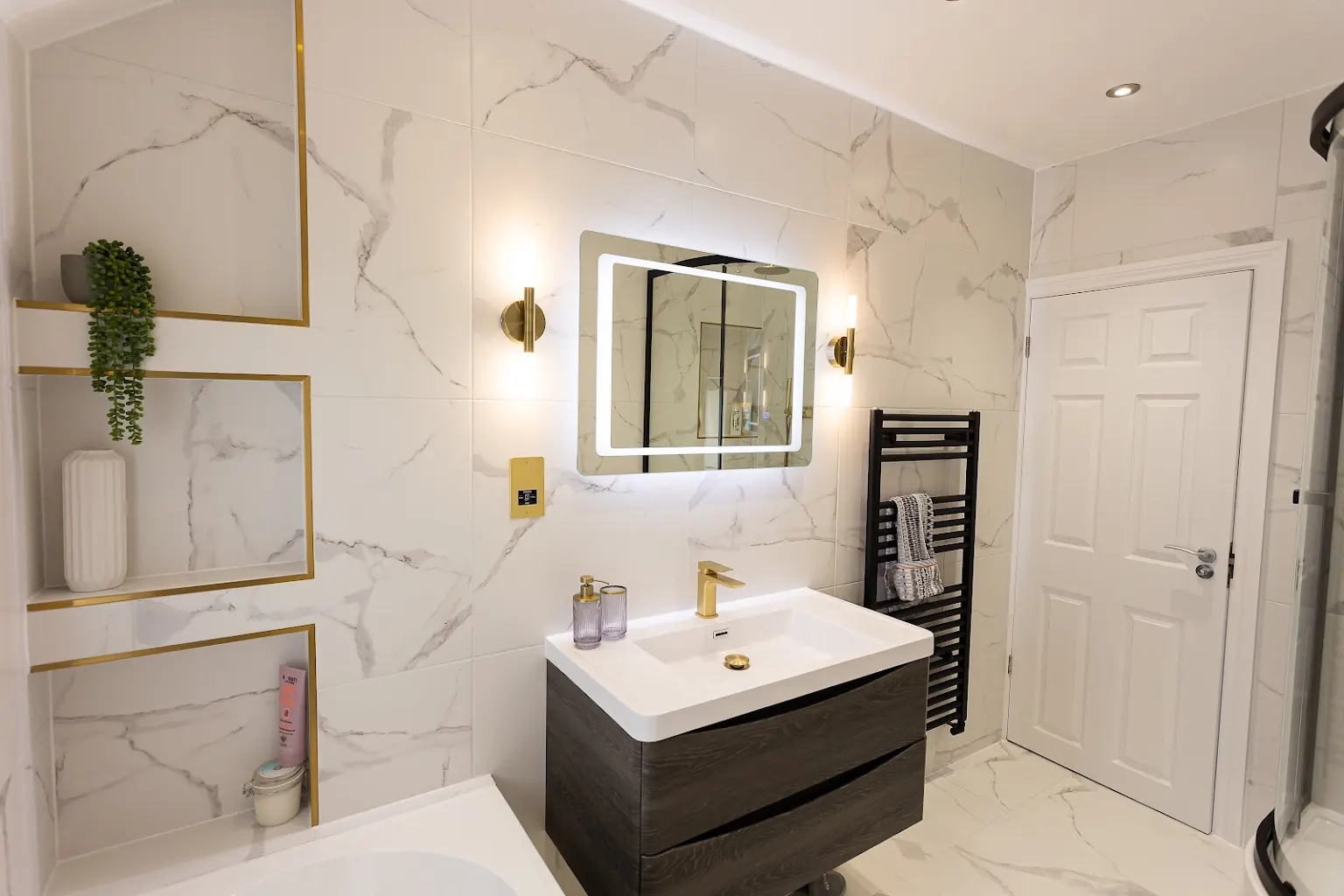
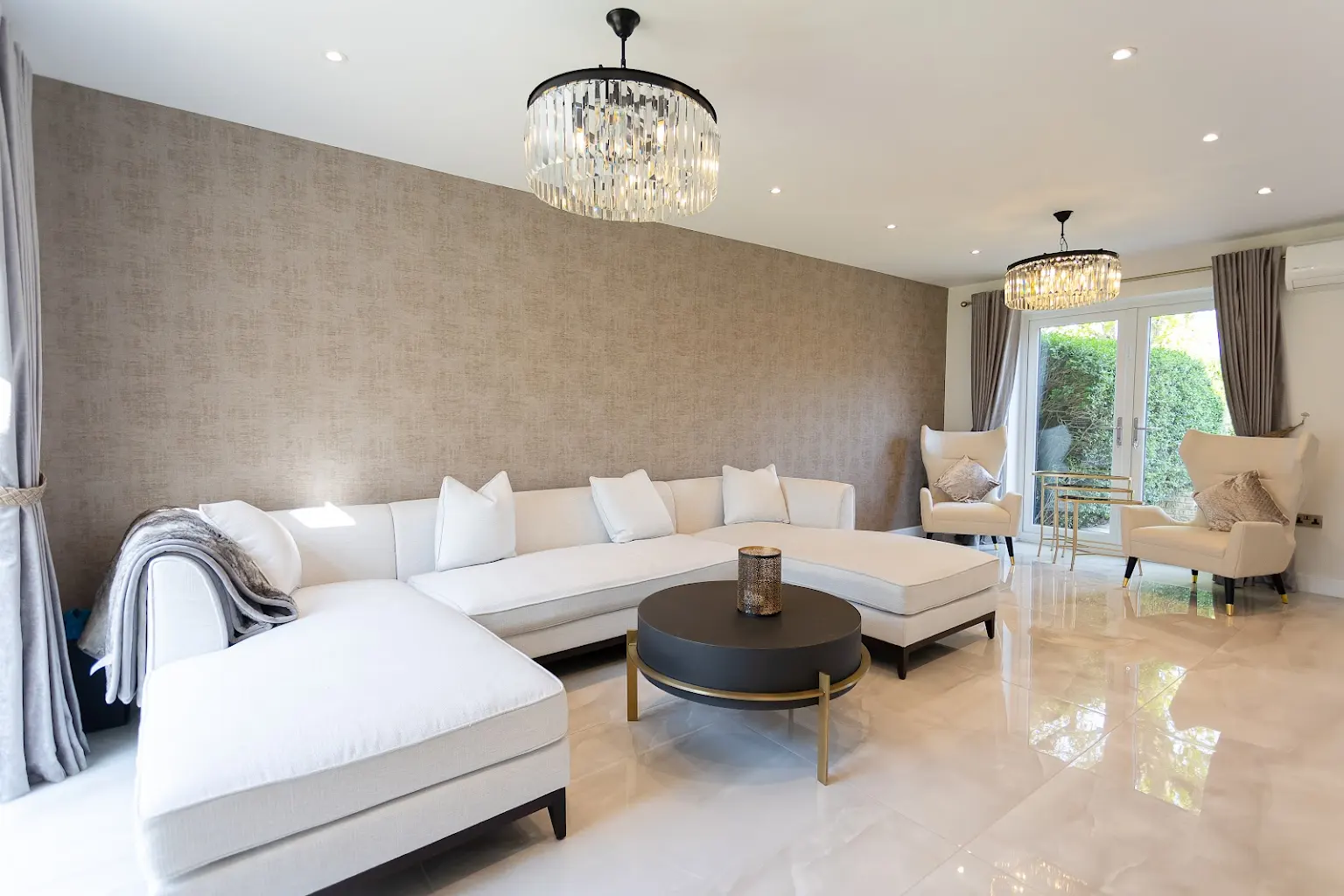
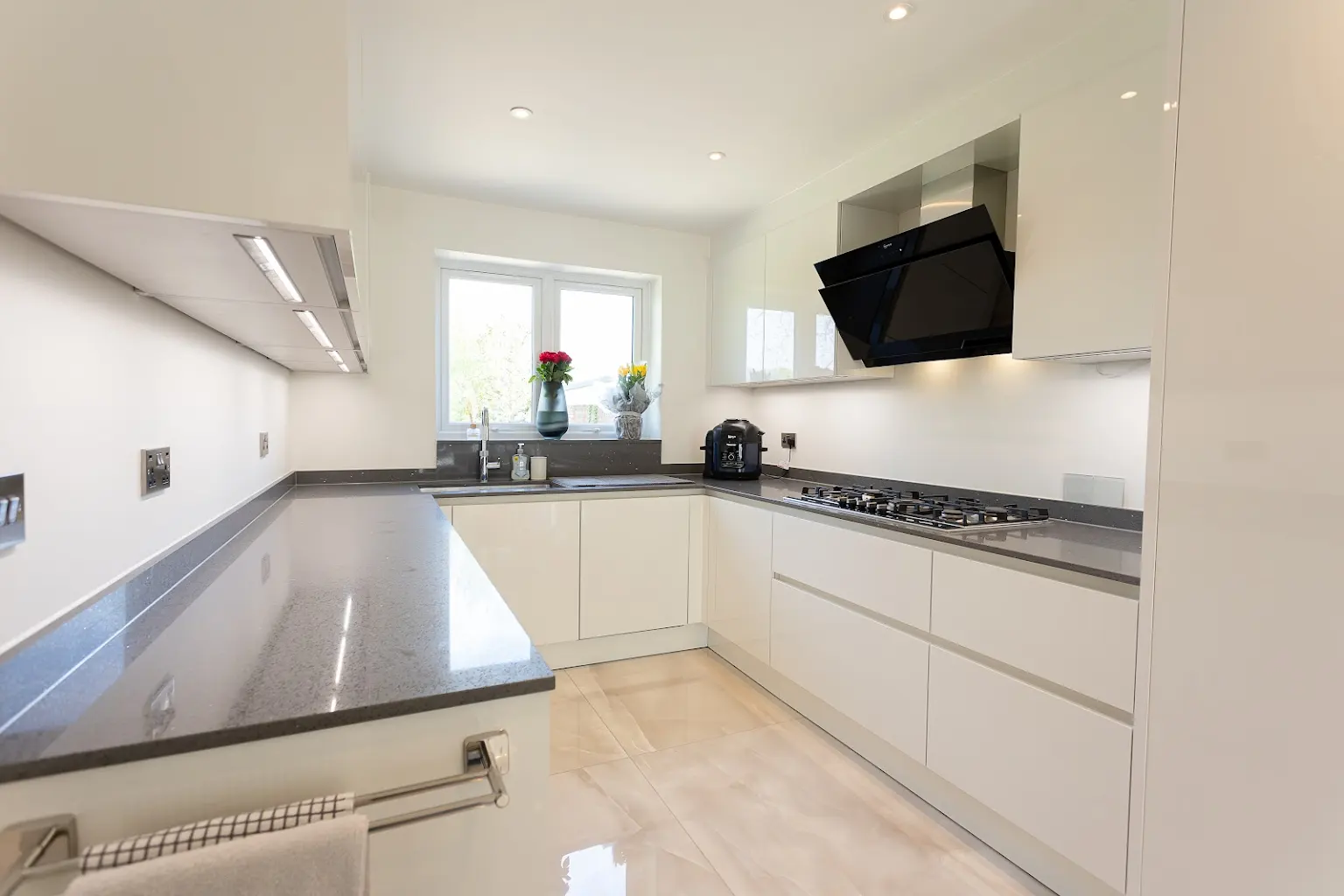
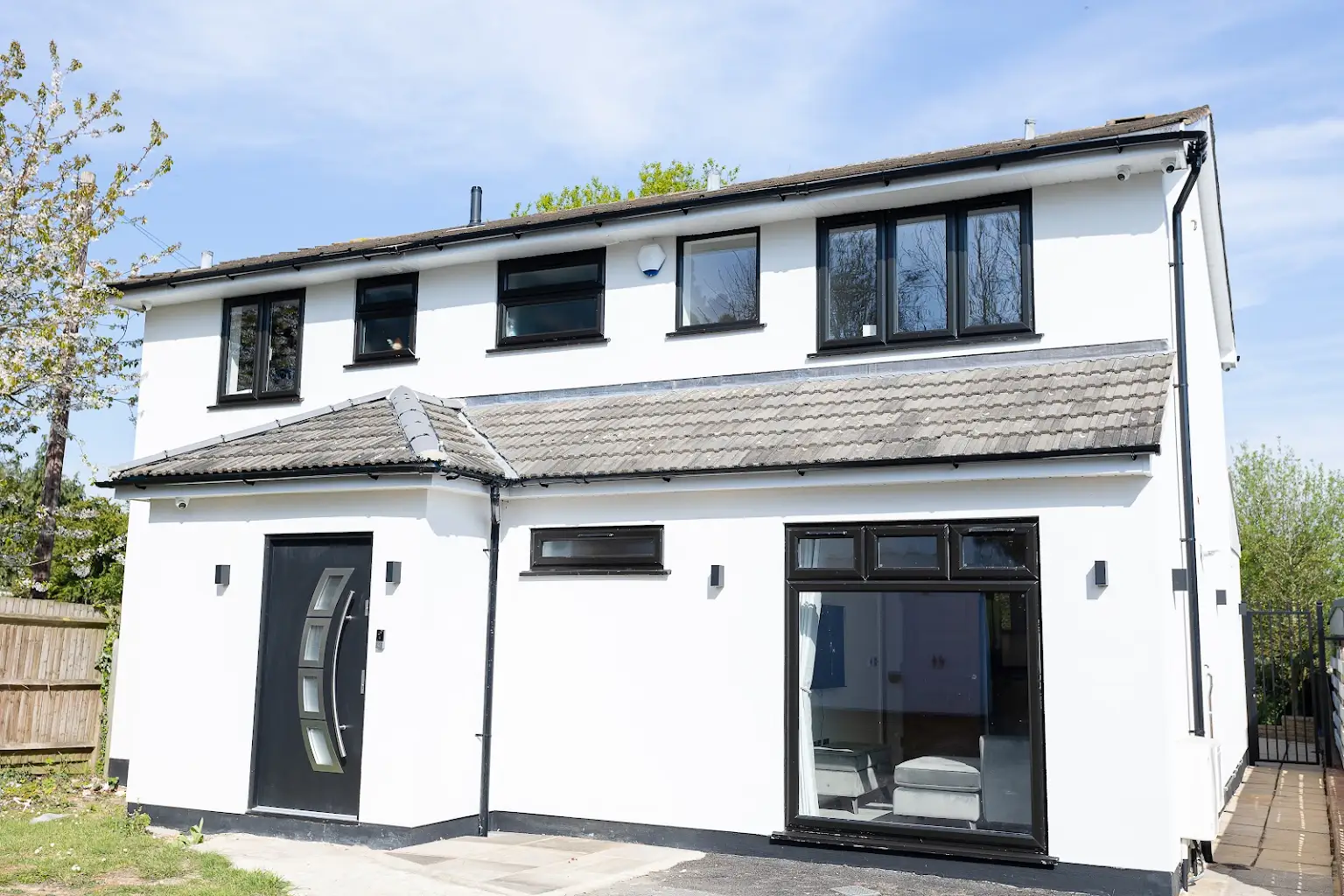
Good home extensions do not happen by accident
They are the result of decisions made carefully, early, and with a clear understanding of what the finished space needs to achieve. Yet architectural design in home extensions remains the stage most homeowners underestimate, and the one they most often regret skipping.
Without it, layouts feel awkward, planning applications get refused, and builds run over budget before the first wall goes up. A poorly placed window cannot be moved once the roof is on. A door in the wrong position kills the flow of a room before anyone has lived in it.
This guide covers why architectural design matters and what it costs to get it wrong.
Architectural Design Is the Foundation, Not a Formality
Architectural design shapes every aspect of a home extension, from the first planning submission to the final finish. Without it, extensions risk producing more square metres without producing better living space. With it, the outcome is considered compliant and built to last.
Planning a home extension in London comes with its own set of considerations around space, compliance, and cost.
Good architectural design matters because it:
- Increases the likelihood of planning approval from the outset.
- Creates better spatial flow and more practical, usable rooms.
- Reduces build risk by removing assumptions before work begins.
- Elevates the property's finish quality and long-term value.
- Gives contractors clear, accurate information to price and build from.
Well-Designed Extensions Feel Original to The Home
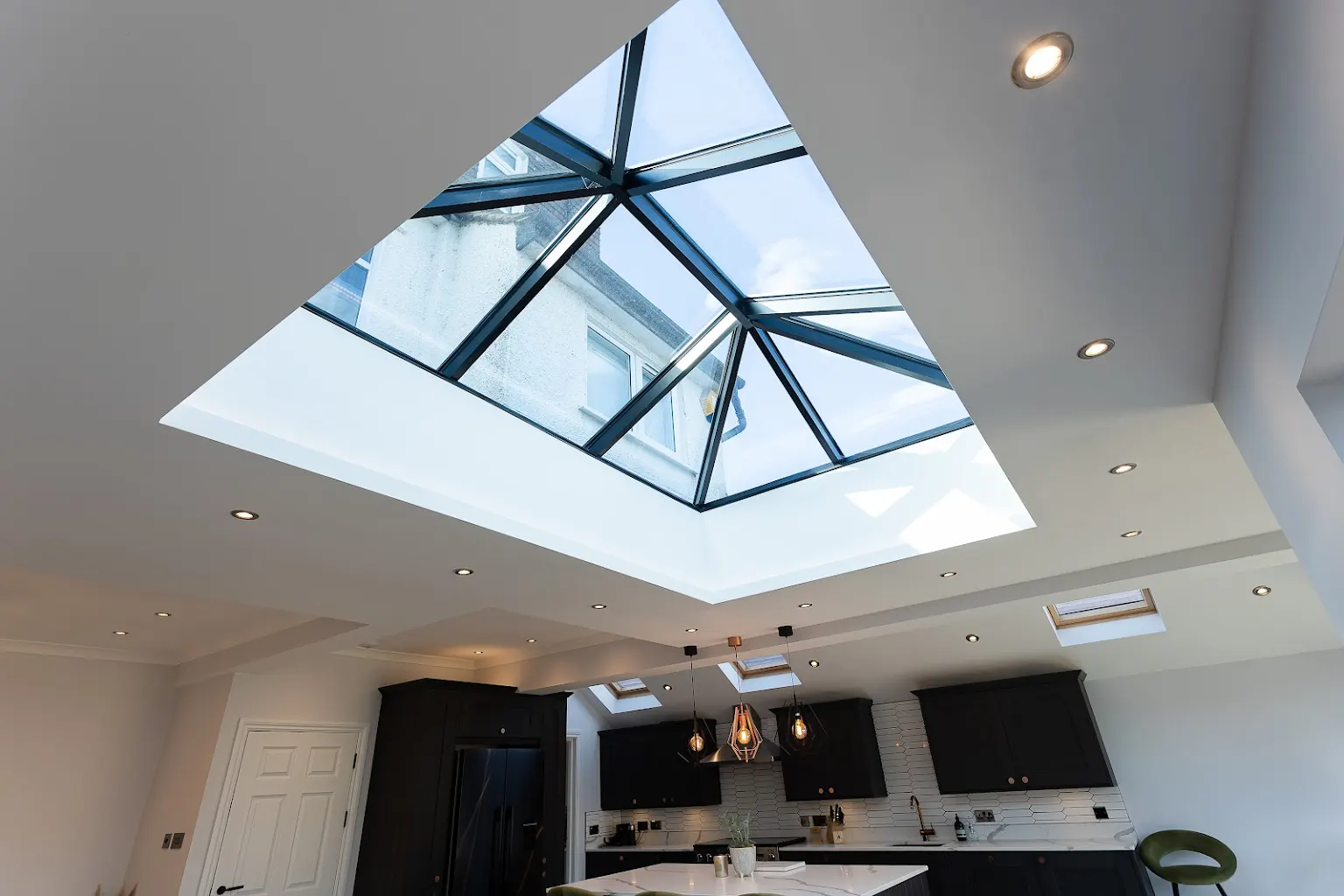
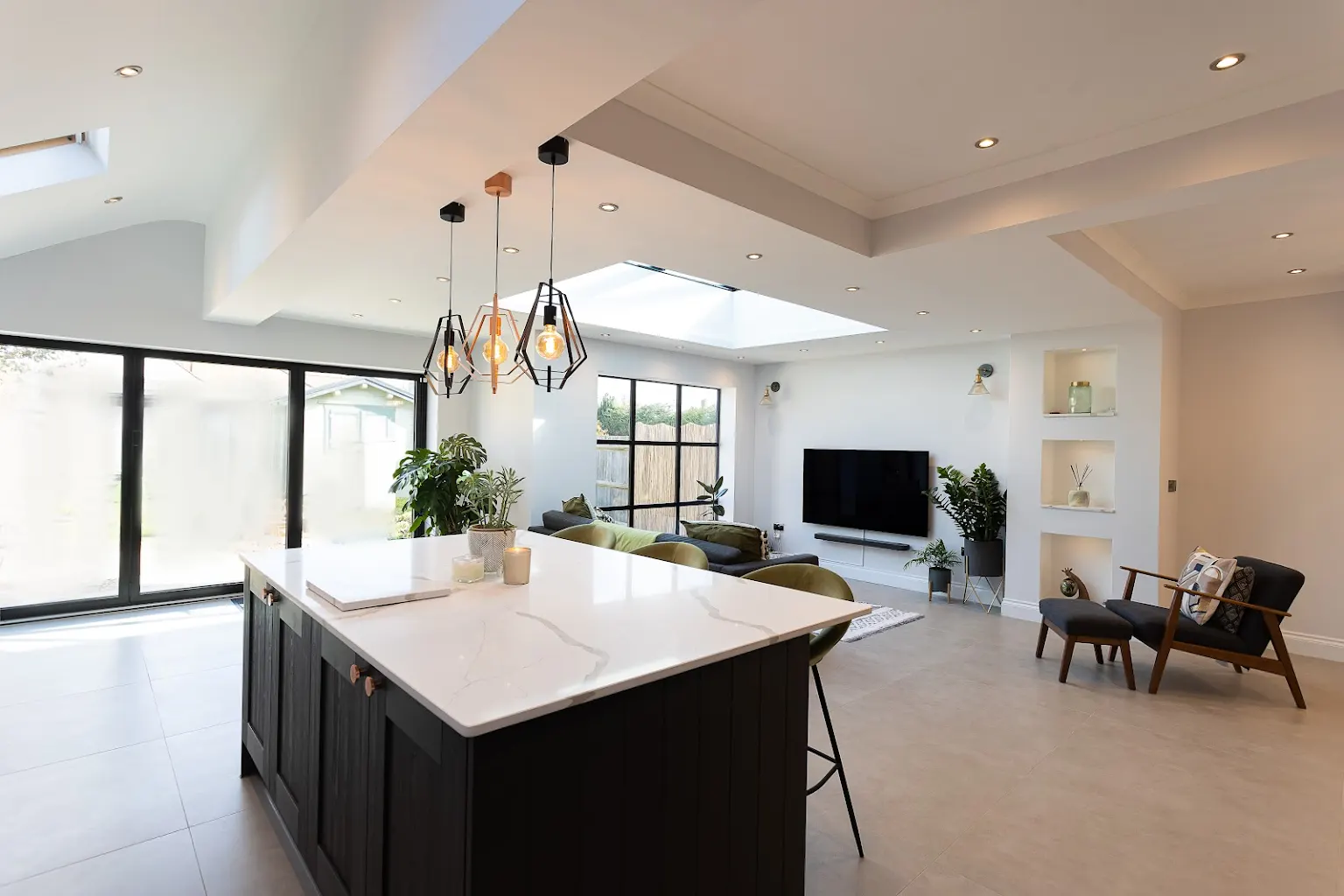
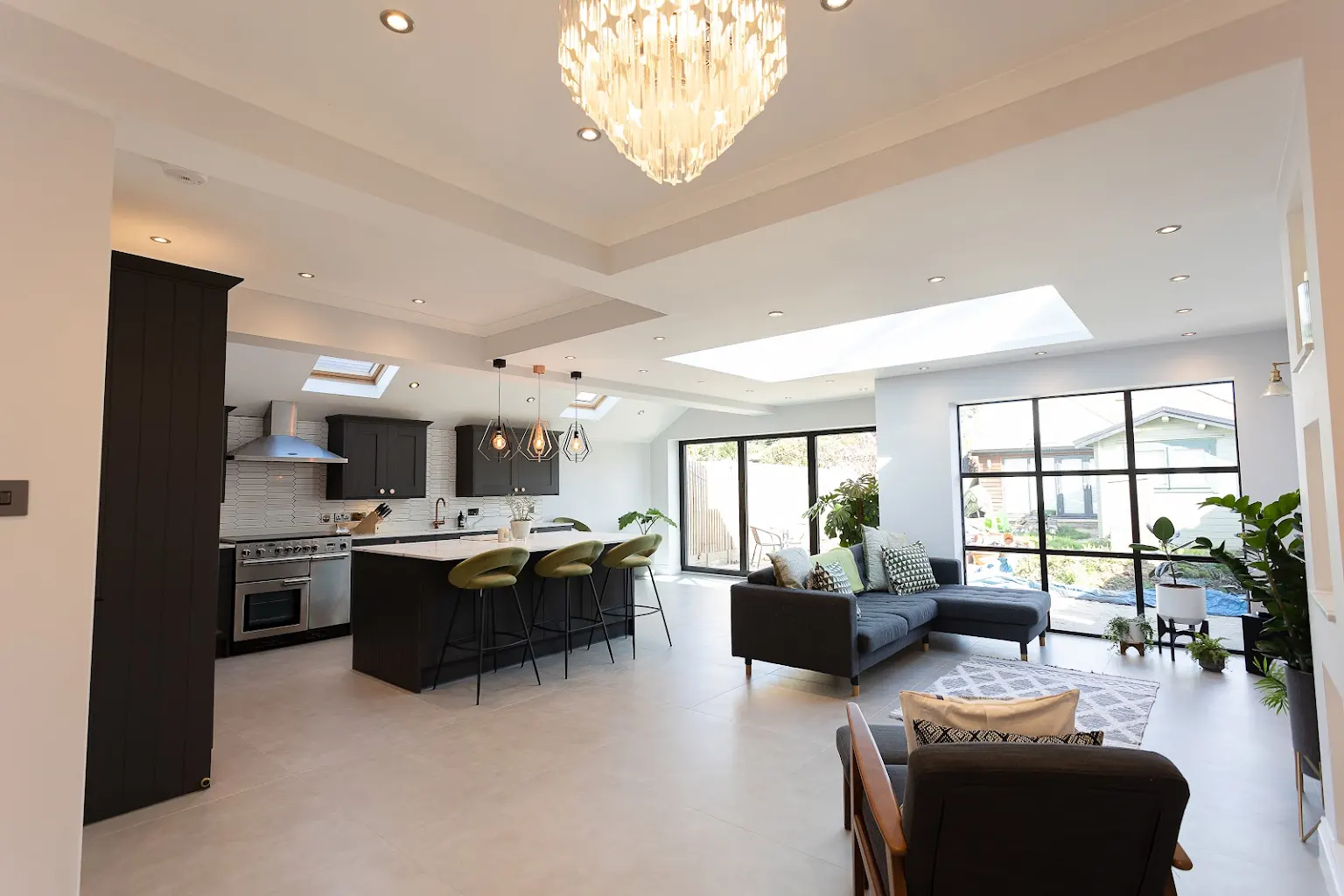
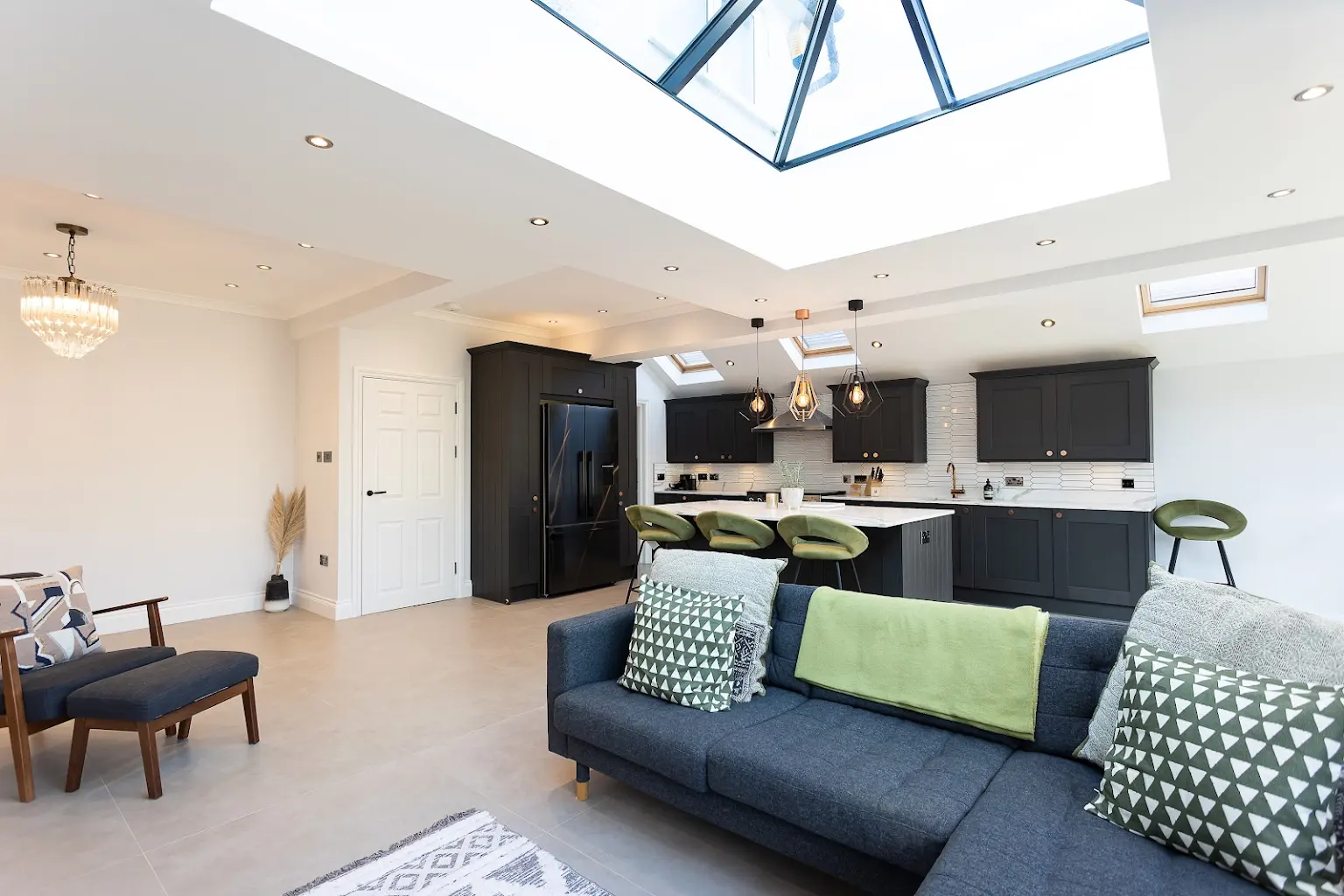
The best extensions are the ones that feel as though they were always there. That quality comes from proportion, light, and the way the new space connects to what already exists. Roof lines, window placement, ceiling heights, and sightlines all contribute to whether an extension feels intentional or bolted on.
This level of thinking is only possible through a proper design process. It is what separates an extension that adds genuine value from one that simply adds floor area.
You can see how this principle works in practice from one of our previous projects – a ground floor extension and renovation in Chichester Avenue, Ruislip.
How Architectural Drawings Benefit Your Build
Basic sketches are not architectural drawings. Proper drawings, including floor plans, elevations, sections, roof details, and window and door schedules, serve a purpose far beyond satisfying the planning authority.
They remove ambiguity.
Every contractor working on the project understands exactly what is being built and to what specification, which is a standard that runs through our process from drawings to handover. That clarity reduces errors, limits variations mid-build, and keeps costs closer to the original budget. Accurate architectural drawings are among the most effective cost-control measures available before a build begins.
Why Planning Approval Starts with Better Design
Planning decisions are not made in isolation. Officers assess scale, roof form, materials, relationship to neighbouring properties, and how a proposal sits within its street scene or conservation context. Architects who understand this design their submissions accordingly.
According to the Ministry of Housing, Communities and Local Government, London granted just 83% of planning decisions in the quarter ending December 2025. This is the lowest approval rate of any region in England and four points below the national average of 87% [1].
Yet, a well-considered design, one that anticipates planning concerns rather than reacting to them, is more likely to be approved the first time. For homeowners in London dealing with tight boundaries, terraced streets, or sensitive locations, that gap matters. Understanding what falls within permitted development is the first step.
Read our post House Extension in London: The No-Permission Size Guide, which explains when planning permission is needed and its rules.
More Square Metres Does Not Mean a Better Home
Square metres alone do not make a home feel better. A poorly planned extension can make a house feel more cramped, not less. Spatial flow — the way people move through and between rooms — is determined at the design stage, not on site.
Good design accounts for:
- Widening bottlenecks between the kitchen and living areas.
- Relocating doors to improve circulation and reduce dead space.
- Aligning internal views to the garden or key focal points.
- Zoning cooking, dining, and family areas with purpose and clarity.
- Planning furniture placement before walls go up, not after.
How Material Choices Are Made or Broken at The Design Stage
Material choices made without design input tend to clash with the existing house, the budget, and sometimes planning requirements. This applies equally to new builds and renovations. Architectural design ties material selection to performance, longevity, and visual harmony. Glazing proportions, rooflight positioning, external finishes, and drainage integration all benefit from being resolved on paper before they are resolved on site.
According to the Royal Institution of Chartered Surveyors (RICS) guidance on cost analysis and benchmarking, construction cost is a key driver of design development, and inadequate project briefs are a recognised category of design development risk. An incomplete specification at the outset directly increases the likelihood of cost and programme problems on site [2].
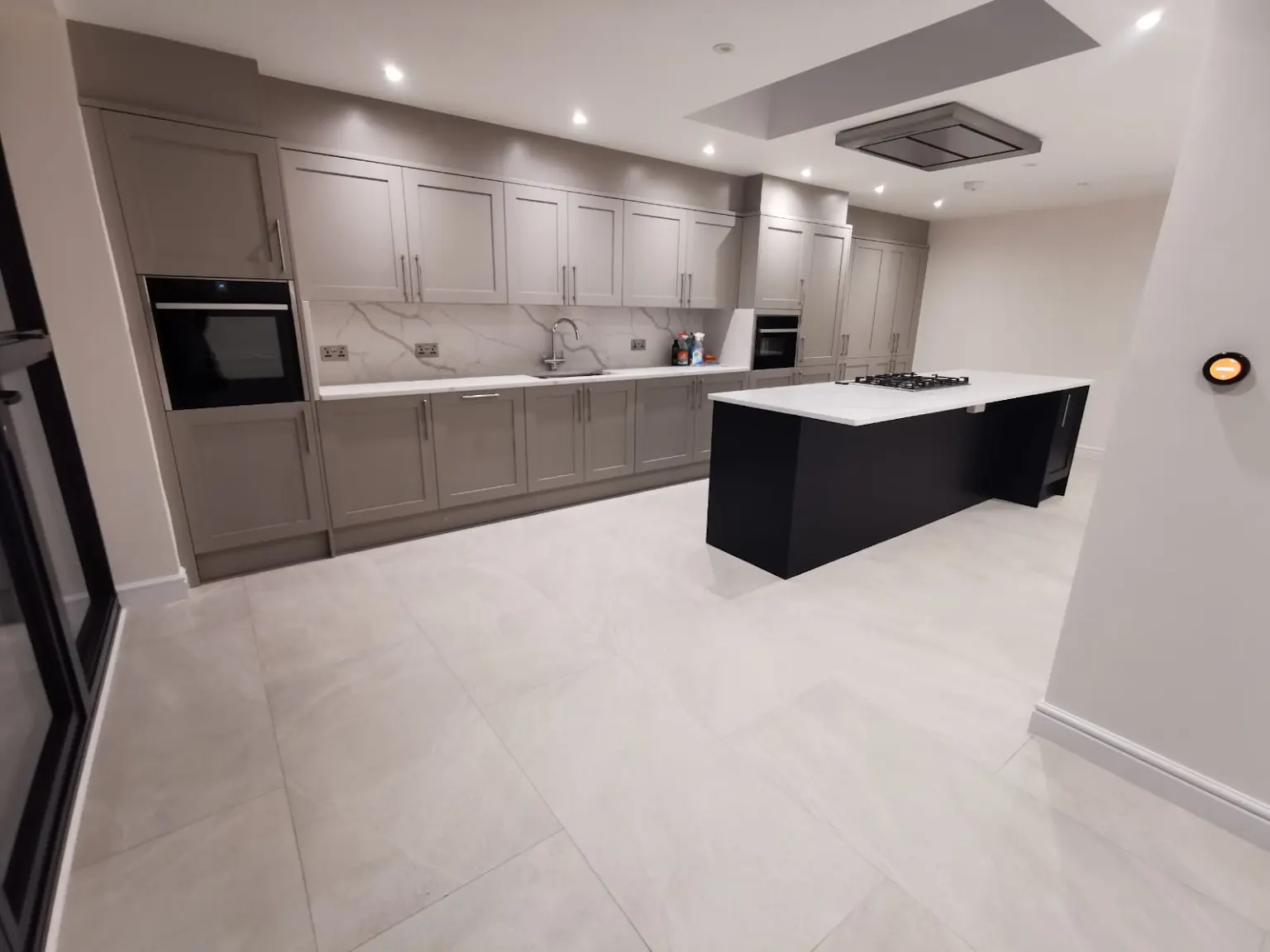
For a practical example of material specification in action, see our kitchen extension project in Maidenhead. A well-specified design gives contractors and project managers a clear brief to work from. That means fewer assumptions mean fewer variations, and a build that runs closer to programme.
What Goes Wrong when Homeowners Skip Design
The consequences of bypassing proper architectural input are consistent and well-documented. Homeowners who proceed without it regularly encounter:
- Awkward layouts that feel uncomfortable to live in day to day.
- Poor natural light due to window placement was decided on-site.
- Planning refusals that require expensive redesigns and resubmissions.
- Mismatched materials that date quickly or conflict with the existing building.
- Wasted spending on space that does not improve the quality of life at home.
These problems appear across all project types, from rear extensions through to full loft conversions, whenever design is treated as optional. Period properties can present design challenges. Our guide to Victorian terrace side return extensions explains how to plan them correctly from the outset.
Planning refusals are not uncommon. According to the Planning Inspectorate, over 4,400 householder planning appeals were received in 2024, and of those decided across 2025, roughly 37% were allowed. That means most homeowners who appealed a planning refusal failed [3].
A design that anticipates planning concerns from the outset costs far less than a resubmission, a delay, or a build that never begins.
Get Your Extension Right from The Ground Up
Without a clear design brief, even the best builders are working with incomplete information. With one, the process runs with greater confidence and far fewer complications. A considered design also influences buyer appeal, energy performance, and how the home presents when it comes to sell.
SM London Construction offers a full architectural design service for residential extensions across London and the South East of England. From measured surveys and concept design through to technical drawings and building regulations compliance, the team brings clarity to every stage.
Call 0208 226 5511 or book a consultation to discuss your extension and find out how considered architectural design can protect your build from the ground up.
External Sources
[1] GOV.UK, Ministry of Housing, Communities & Local Government, Accredited Official Statistics, Planning Applications in England: October to December 2025 – Statistical Release (2026): https://www.gov.uk/government/statistics/planning-applications-in-england-october-to-december-2025/planning-applications-in-england-october-to-december-2025-statistical-release
[2] The Royal Institution of Chartered Surveyors (RICS), Cost Analysis and Benchmarking (2024): https://www.rics.org/content/dam/ricsglobal/documents/standards/Cost-analysis-and-benchmarking_2nd-edition.pdf
[3] GOV.UK, Planning Inspectorate, Planning Inspectorate Quarterly and Annual Volume Statistics: https://www.gov.uk/government/statistics/planning-inspectorate-statistics