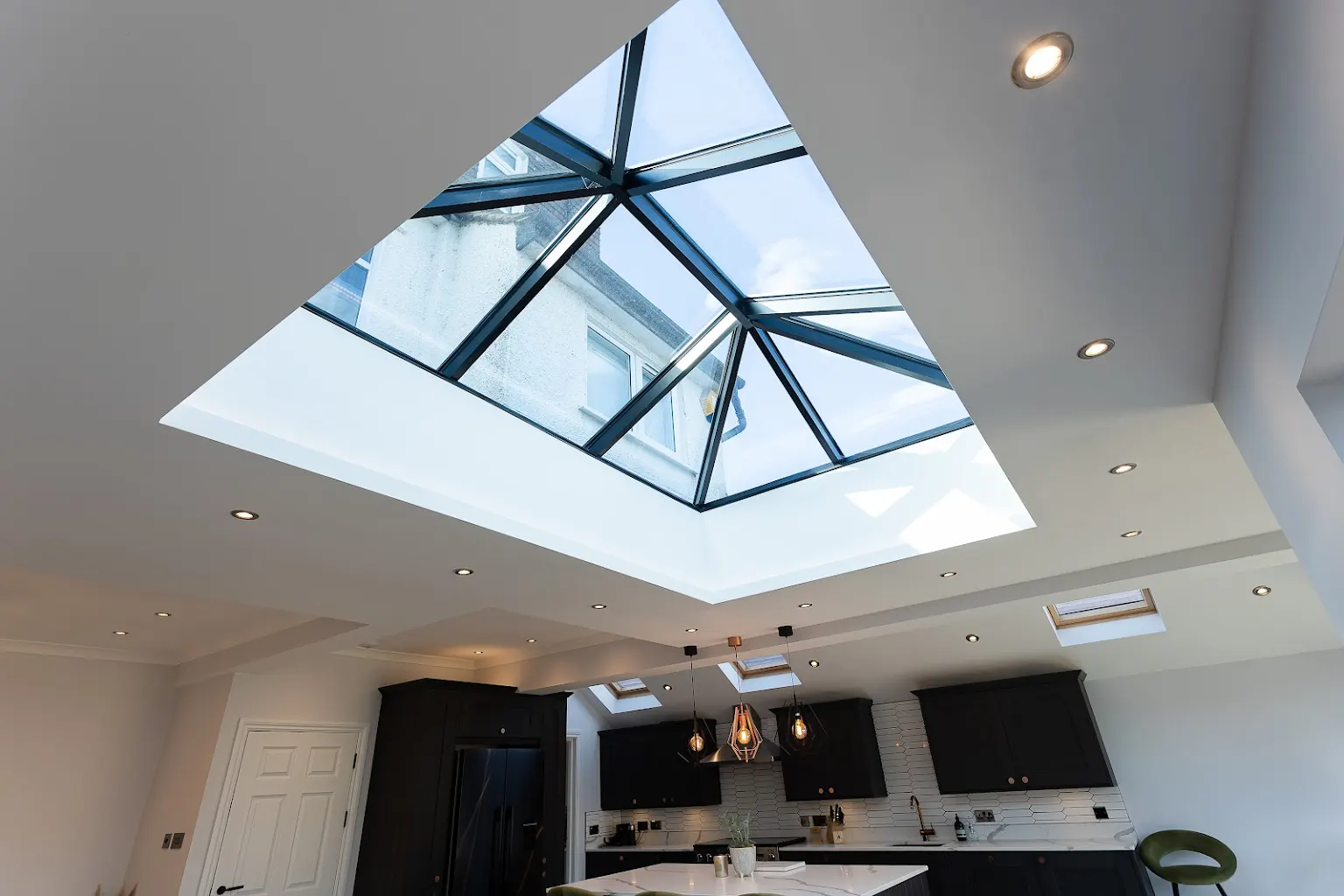
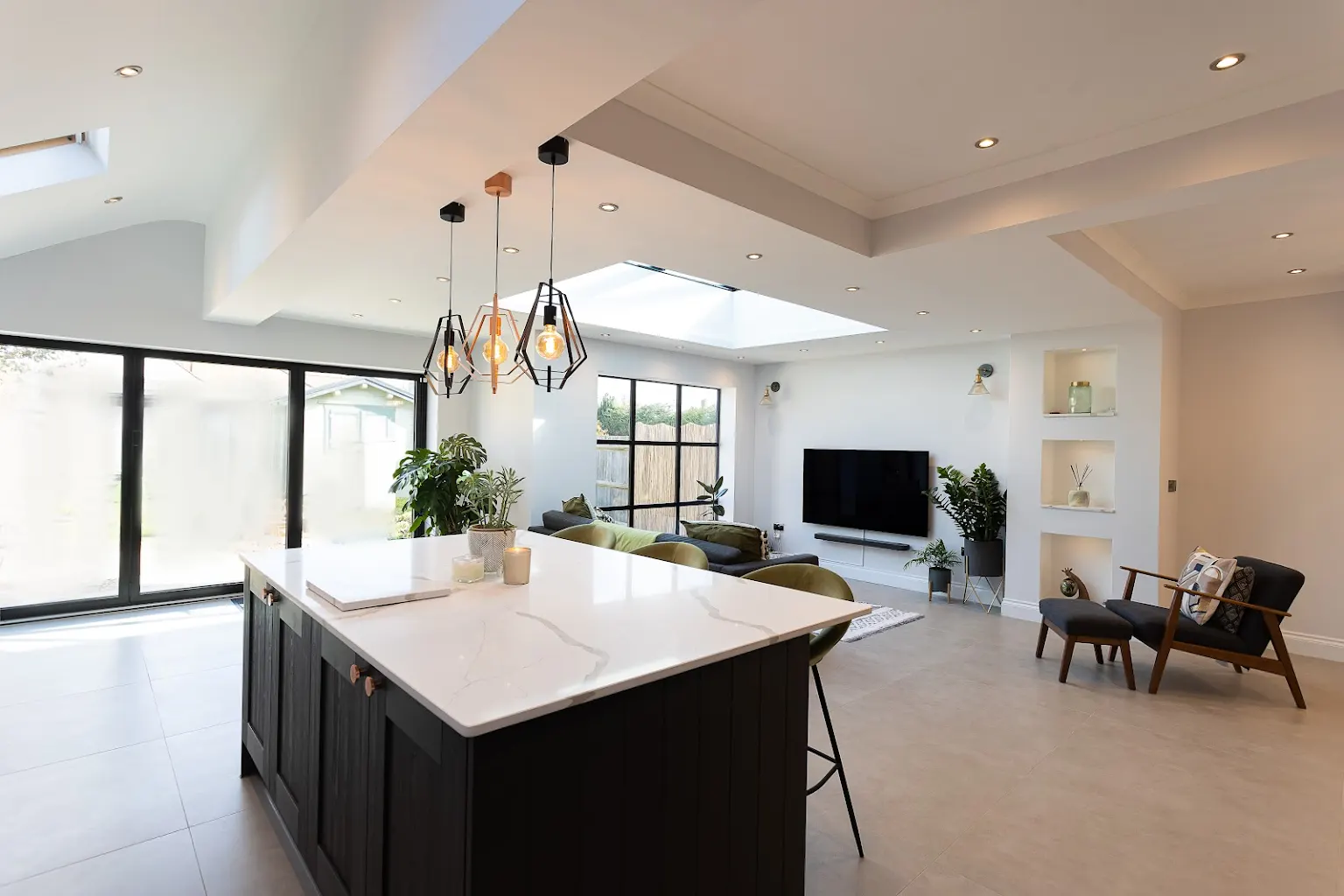
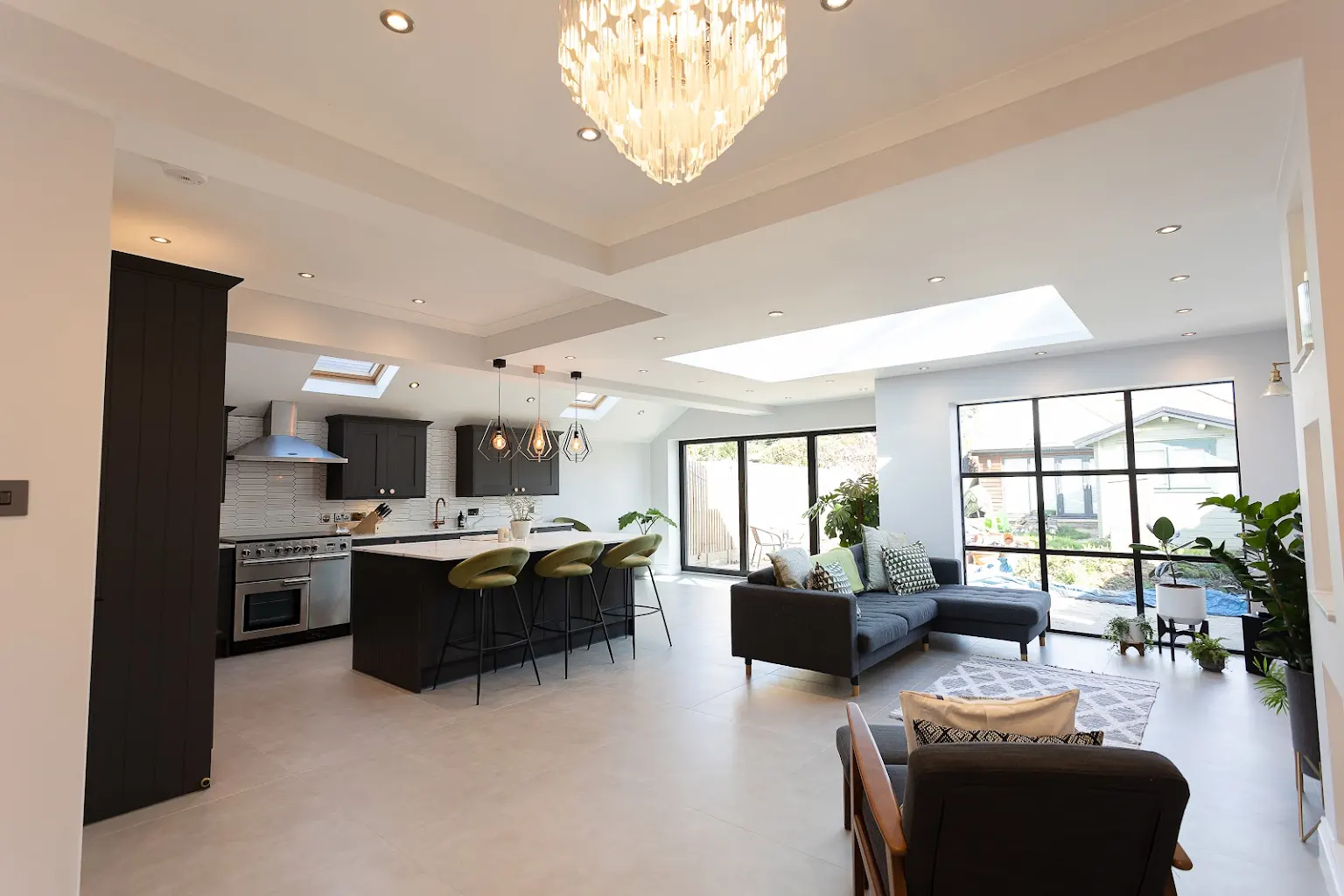
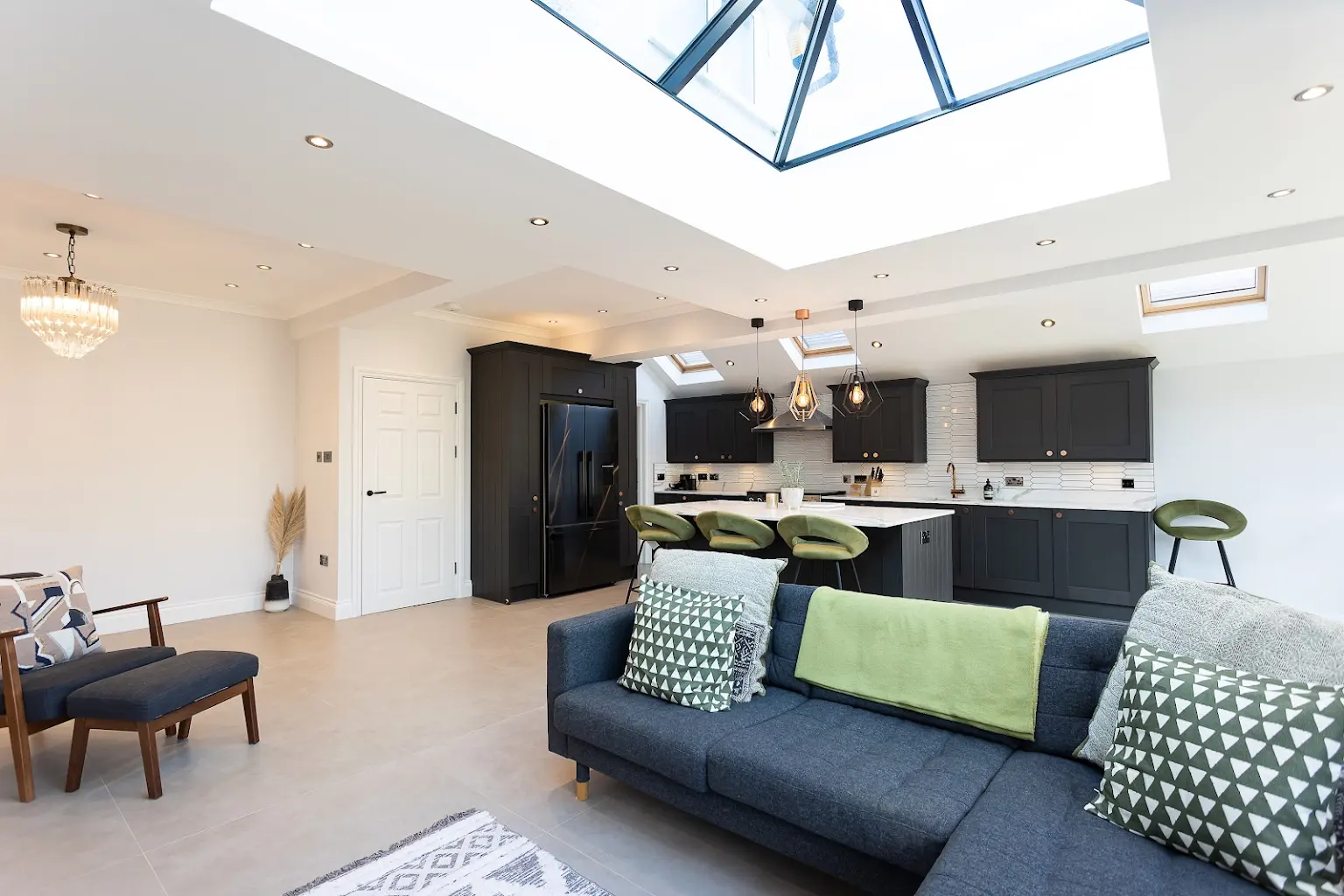
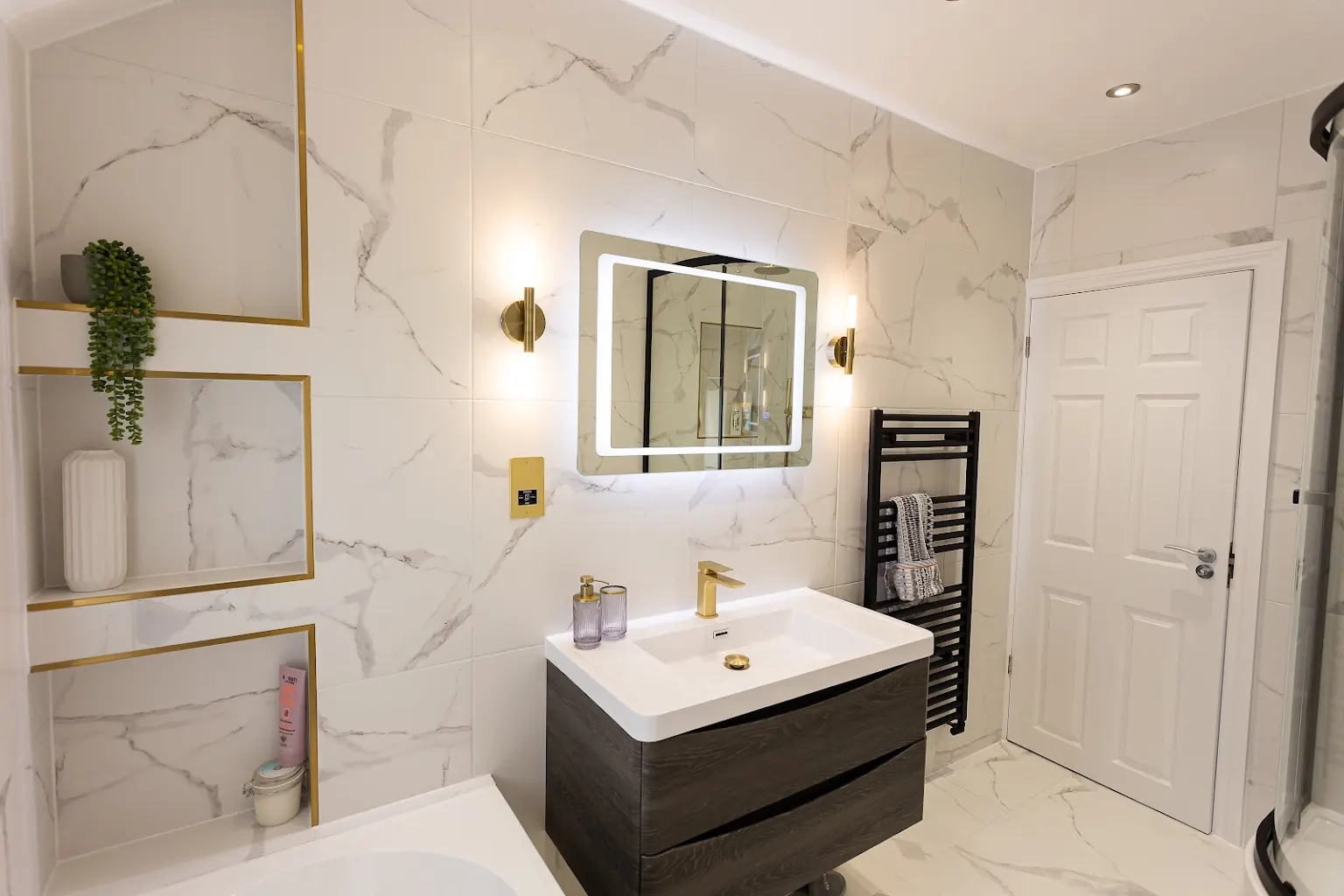
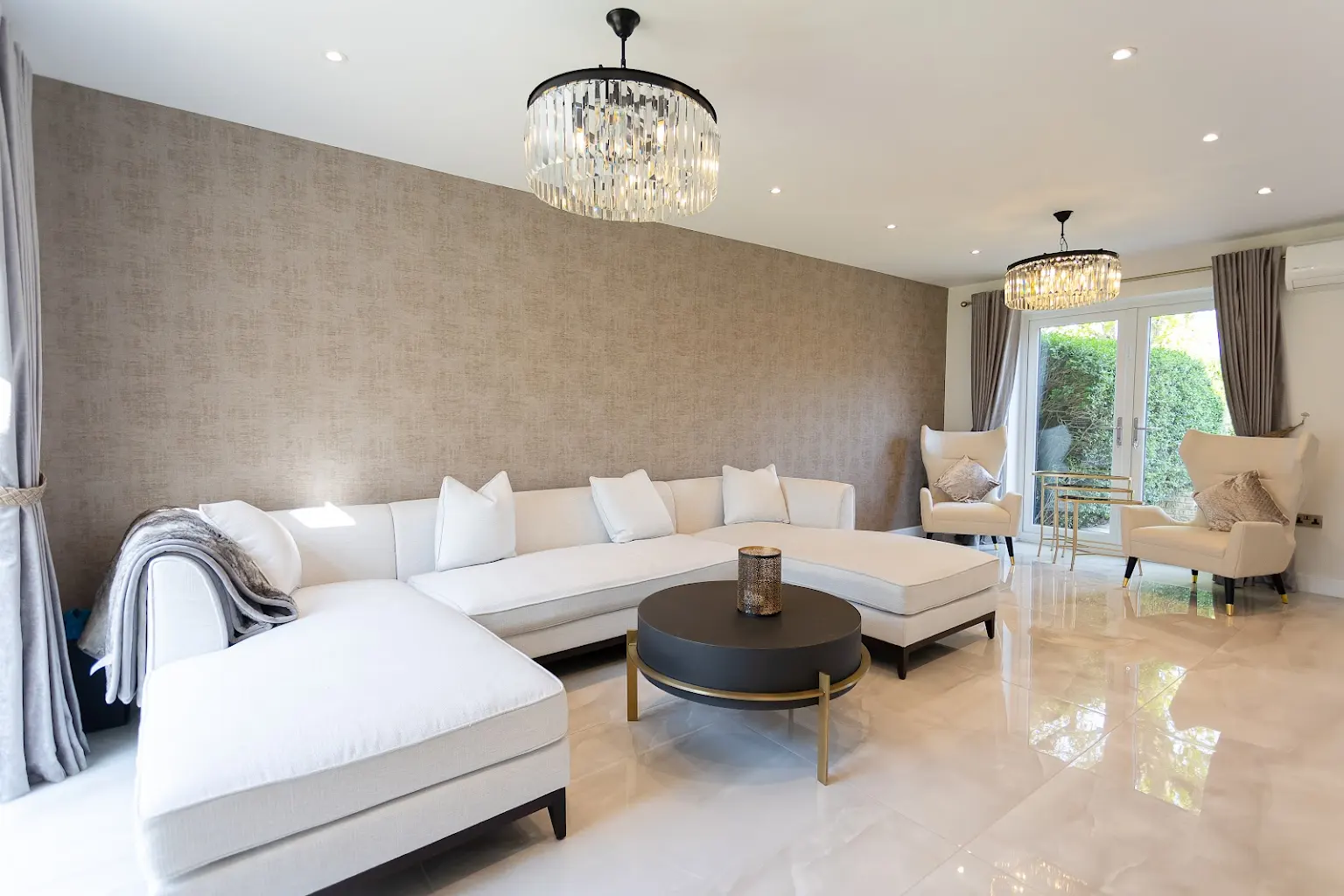
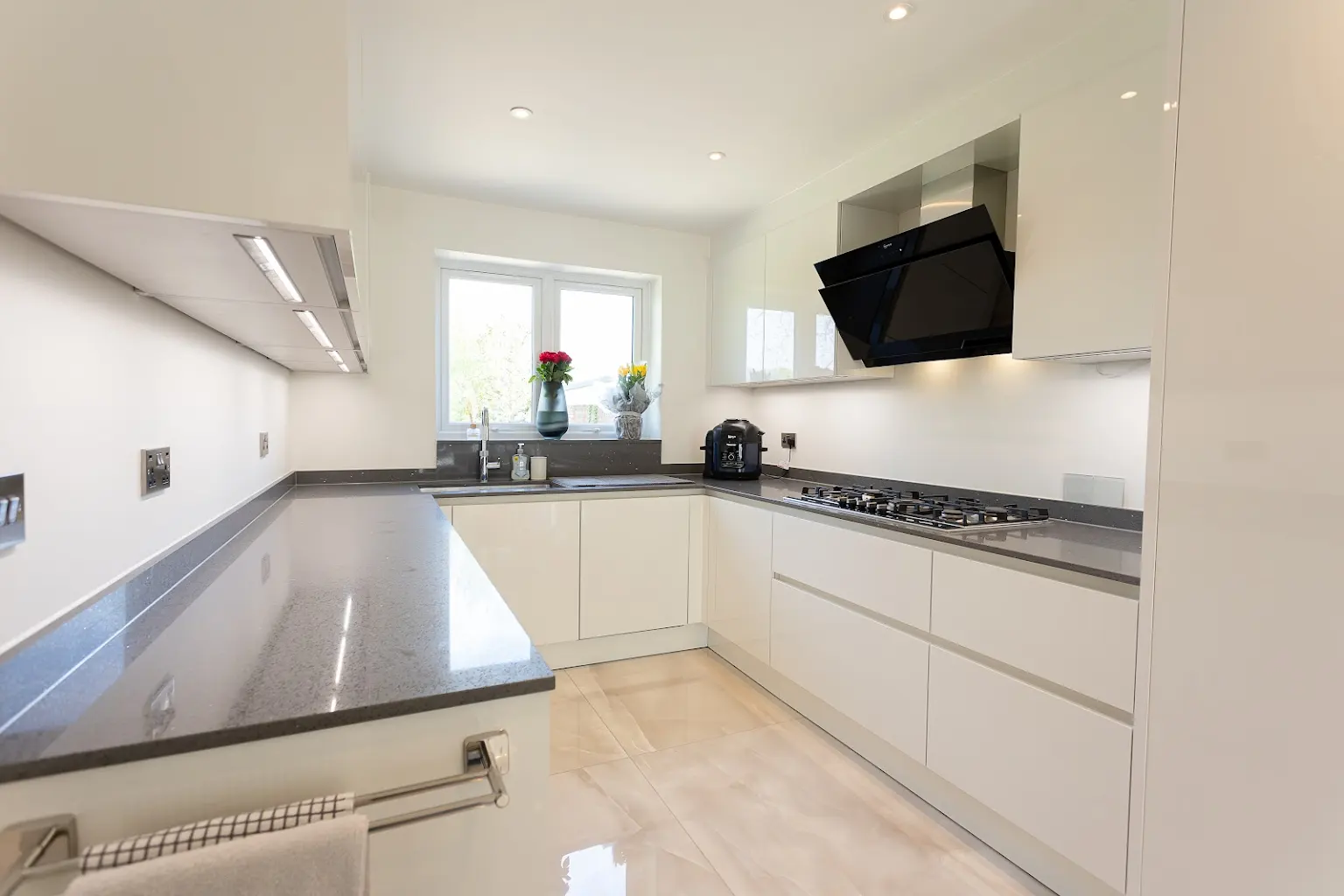
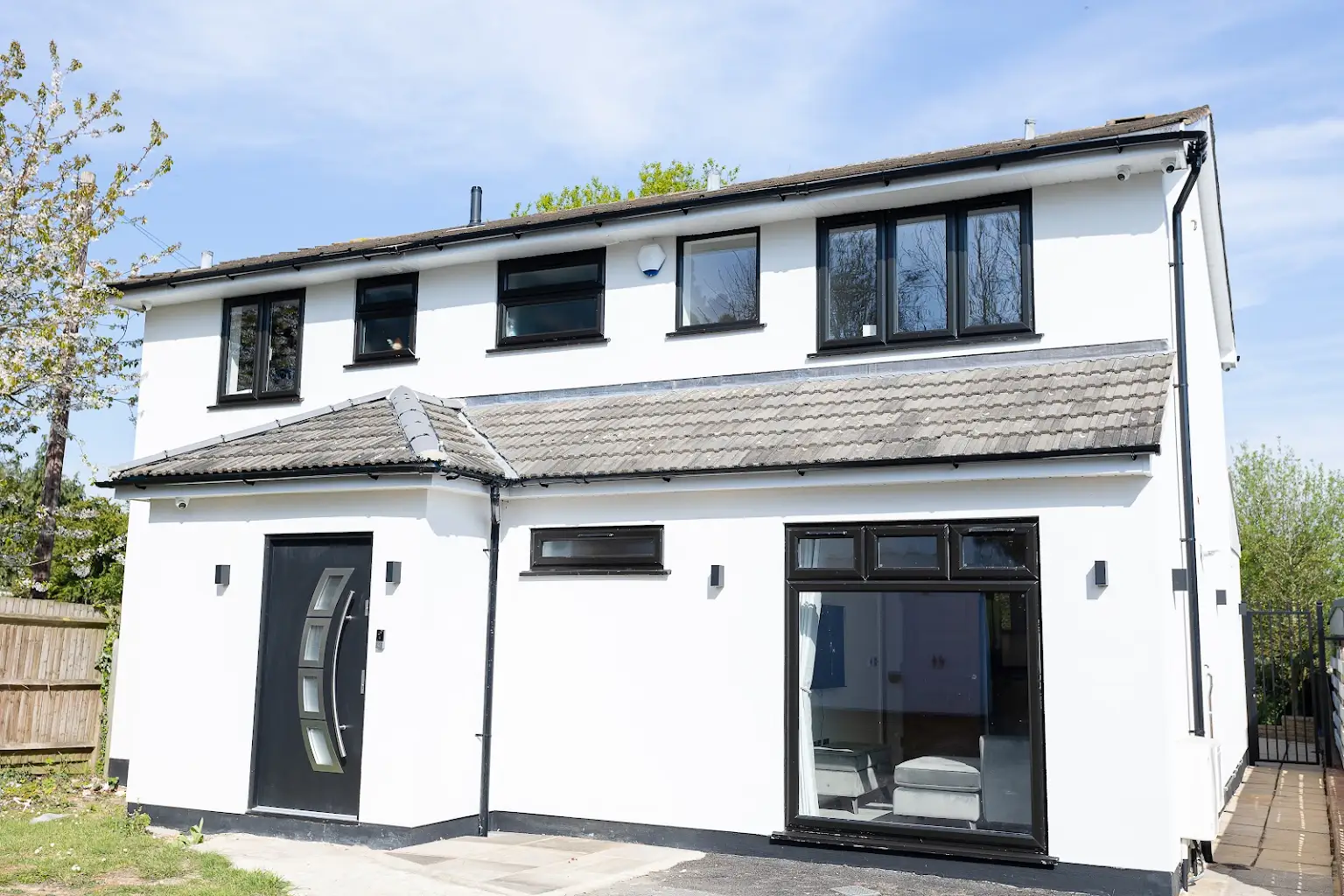
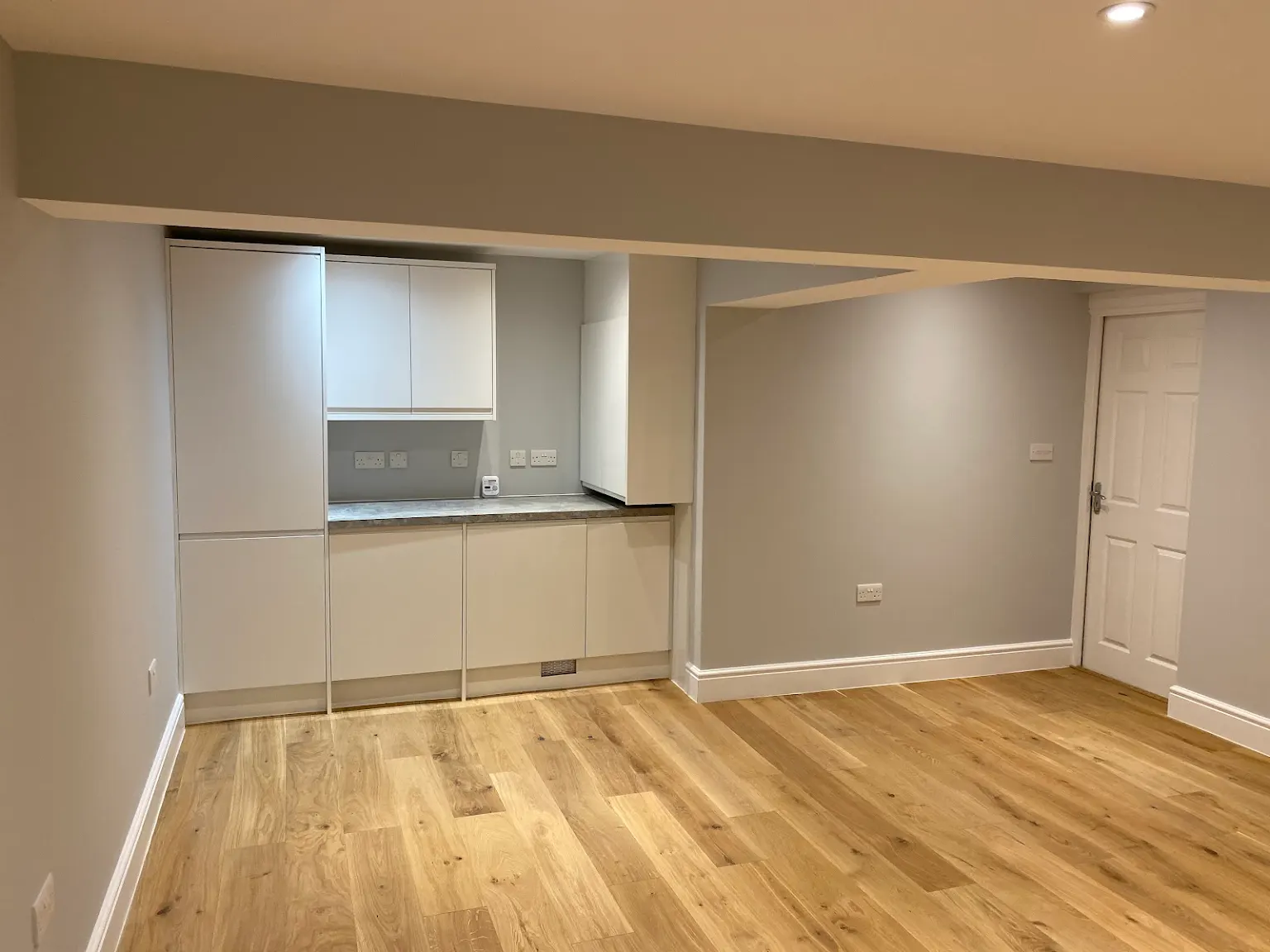
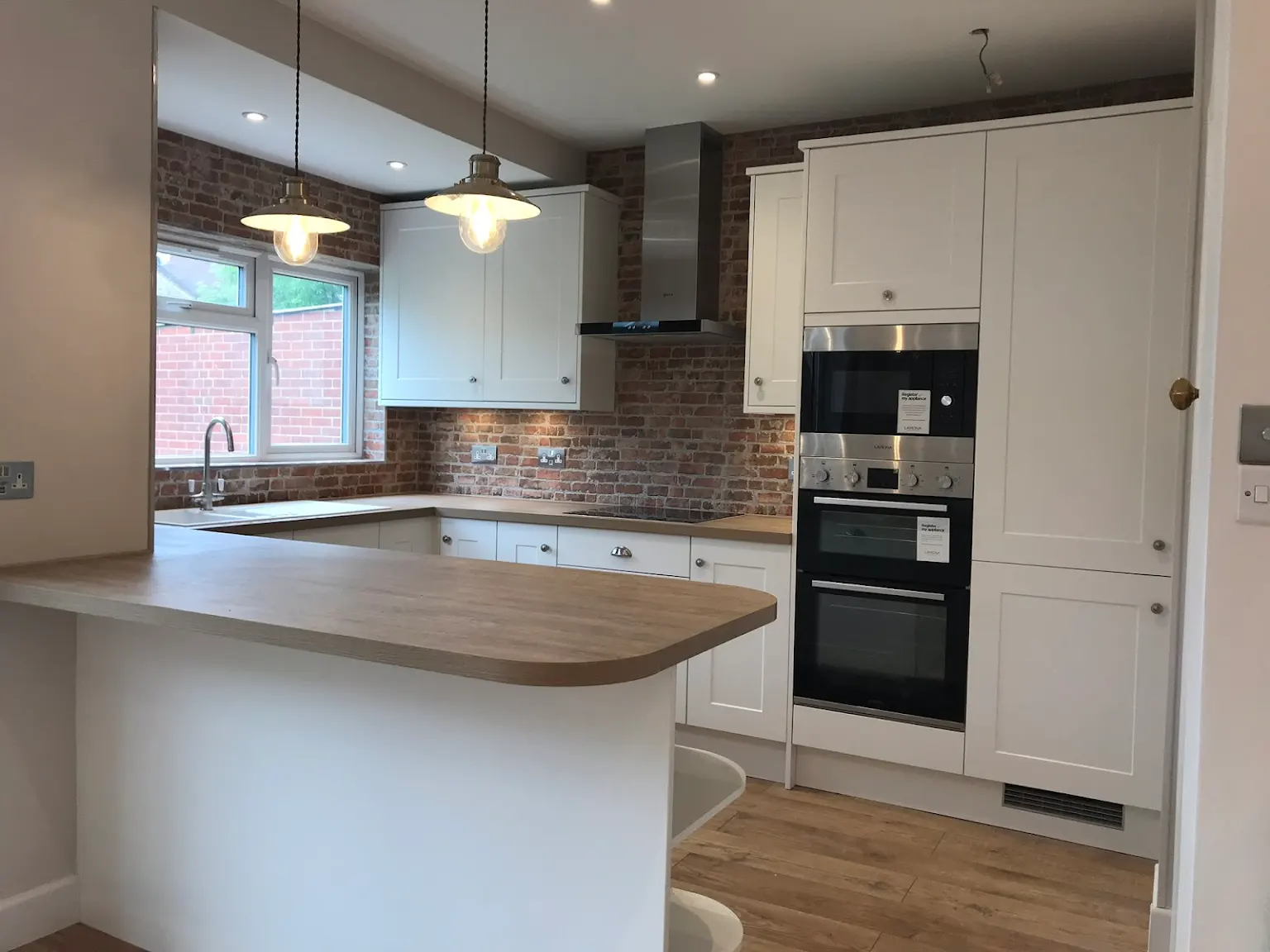
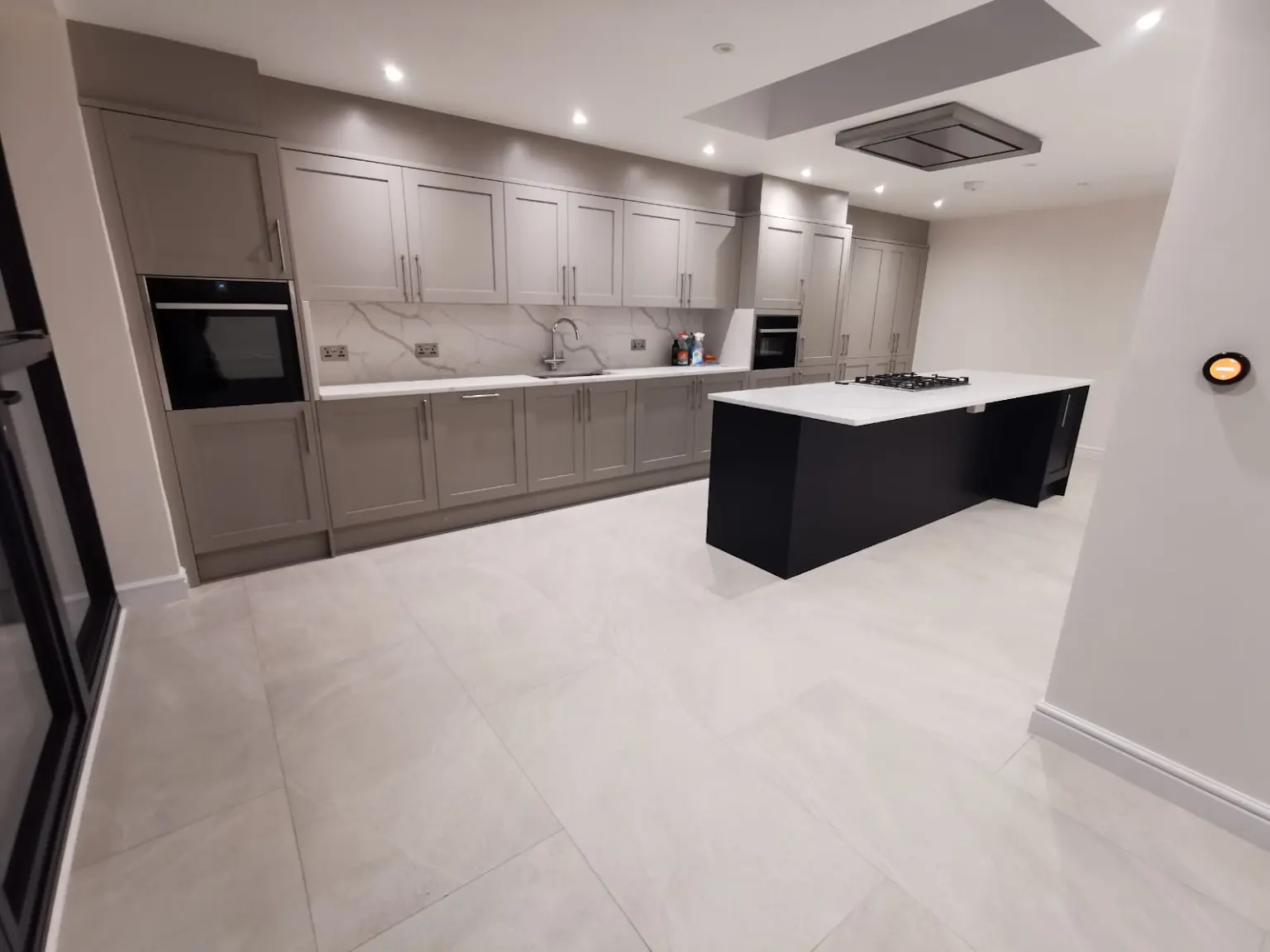
A well-designed rear extension turns underused space into the heart of the home. Extending into garden space creates an airy, open-plan layout that changes how you use your home. It lets you bring light and movement into every corner and everyday living.
At SM London Construction, we blend design and structure to create outstanding rear extensions. Every project is tailored to the property’s proportions and aesthetic, guided by our in-house Architectural team. We oversee the entire process, from planning to completion. This involves design, permissions, and construction, all done carefully and correctly.
Our specialists work across London boroughs. They provide clarity around permitted development and planning permission from the outset. We use clear communication and technical control to keep your project on course, from start to finish.
The best part is, we’re ready to start when you are. If you’d like to take the first step, book a consultation online or give us a call on 07961 817 505 or 0208 226 5511 today.



Every rear extension we create is tailored to its surroundings. Our team works closely with you to ensure the new space complements your home’s proportions, layout, and architectural style. No matter whether you're expanding a period terrace or a contemporary property, give us a call. We design extensions that maximise light, improve flow, and add lasting value.
Each project begins with a detailed consultation and planning stage. We oversee each stage, including architectural drawings, structural calculations, and local authority submissions. This way, we can ensure that everything meets London’s planning and building regulations. You can also pick roof styles, glazing, and materials that suit your home. Options range from flat or pitched roofs to lanterns, skylights, and glazed doors that complement your garden.
During construction, we manage every element with precision and care. Foundations, steelwork, and finishes are completed by skilled tradespeople under full project supervision. We work together to ensure the same high-quality craftsmanship in our House Extensions and Loft Conversions in London.
From the first consultation to the final inspection, we deliver every rear extension with care and precision. We provide transparent timelines and clear cost guidance so that you can make confident decisions from start to finish. Size, materials, glazing, and structure all influence your investment. That's why our team ensures each choice balances design, performance, and practicality. For this reason, typical project timelines range from three to six months, depending on the specification.
Beyond the build, our Aftercare service keeps your new space performing beautifully for years to come. We take pride in long-term relationships founded on quality and trust. You can see this for yourself in our client Reviews, recent Projects, and featured News updates.
Together, we can design a rear extension that boosts comfort, style, and lasting value.
Many London homes can be extended under Permitted Development, provided strict limits on depth, height, and boundaries are met. As a general guide, this is often around 3m for most terraced and semi-detached homes and up to 4m for many detached properties, with tighter rules in conservation areas and for flats. For a clear view of what’s possible on your street, our Architectural Services team can review your plans before you apply.
The rules for rear extensions depend on your location, property type, and whether your home sits in a conservation area or is listed. Most projects must comply with height, depth, and overall impact limits, with some requiring full planning permission. Building regulations also cover structure, fire safety, drainage, and insulation. Our guide to house extensions in London explains how we navigate these requirements on your behalf.
Rear extension costs vary with size, structure, glazing, and specification, but many London homeowners allow roughly £2,000–£3,500 per m² for a high-quality build. Structural steel, complex groundworks, or premium finishes will increase the overall investment. To understand how scope and materials affect costs in real homes, explore our completed Projects.
Most rear extensions take around three to six months from the start of construction, depending on foundations, steelwork, detailing, and site conditions. This sits within a wider programme that includes design, permissions, structural work, and final finishes. We outline each stage, from the first visit to handover, in the step-by-step overview of Our Process.
For many London homeowners, extending is often more cost-effective than moving once you factor in stamp duty, legal fees, surveys, removals, and market uplift. A well-planned rear extension can reshape how you use your home while adding long-term value without the disruption of a complete relocation. To see how extensions have transformed existing properties, visit our recent Projects.
A 3m rear extension is typically enough to create an open-plan kitchen–dining space or meaningfully enlarge a living area, while still preserving a good amount of garden. For many London terraces and semi-detached homes, it offers a strong balance of cost, usable space, and natural light, and may fall within Permitted Development in some cases. Our Kitchen Extensions show how compact additions can make a significant difference.
The 30% rule is an informal planning guideline used by some local authorities, suggesting that extensions should not increase a property’s volume by more than around 30%. It isn’t a nationwide rule, but it can influence how planners view scale and proportionality. If you’re unsure how your borough interprets this, our Architectural Services team can assess your proposal before you submit an application.
A 40m² extension is considered a generous single storey addition and can usually accommodate a large open-plan kitchen, dining, and living space or a combination of rooms. Depending on depth and boundaries, it may require Prior Approval or full planning permission. You can compare real examples of similar scales on our Projects or Gallery pages.
A well-designed and properly constructed extension should last for several decades, provided the structure, waterproofing, and finishes are maintained over time. High-quality materials, good detailing, and regular checks all help protect your investment. At SM London Construction, every project is supported by our dedicated Aftercare service to keep your new space performing as it should.
While not a legal requirement, working with an architect is strongly recommended.
They help ensure your rear extension is:
An architect also brings clarity to design choices, materials, and layout. Our integrated approach is outlined on our Architectural Services page.
Rear extensions often increase a property’s value by improving layout, natural light, and usable square footage. These three factors consistently influence buyer demand in London. Homes with modern, open-plan ground floors typically command higher resale values. For examples of value-adding layouts, you can browse our completed Projects.
The most cost-effective way to extend a home is to keep the structure simple and avoid unnecessary steelwork or complex roof forms. Single storey rear extensions are usually more economical than Wrap-Around or multi-storey options, especially when designed within Permitted Development limits. You can explore efficient layouts and materials in our Projects or Gallery pages.
A well-built extension should be straightforward to maintain and require only routine household upkeep. Quality glazing, durable roofing, and good insulation help protect against weathering and wear over time. Our long-term Aftercare service provides guidance and seasonal support to keep your space performing at its best.
Back extensions often include open-plan kitchens or living areas. They may have glazing, roof lights, or large garden doors to enhance the space with natural light. The final look can be contemporary or traditional, depending on the home’s character. You can view real examples of rear extension styles on our Projects or Gallery pages.