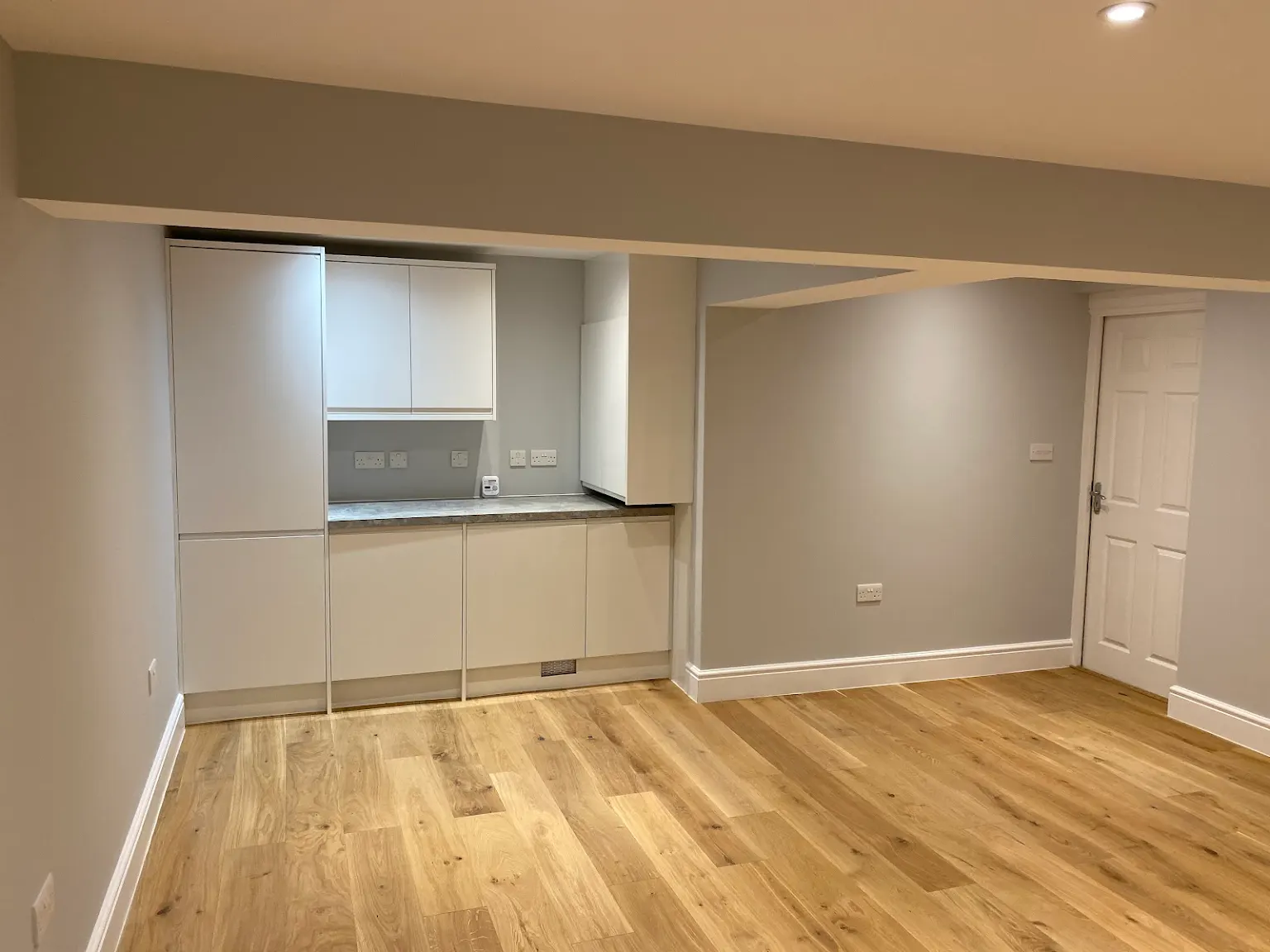
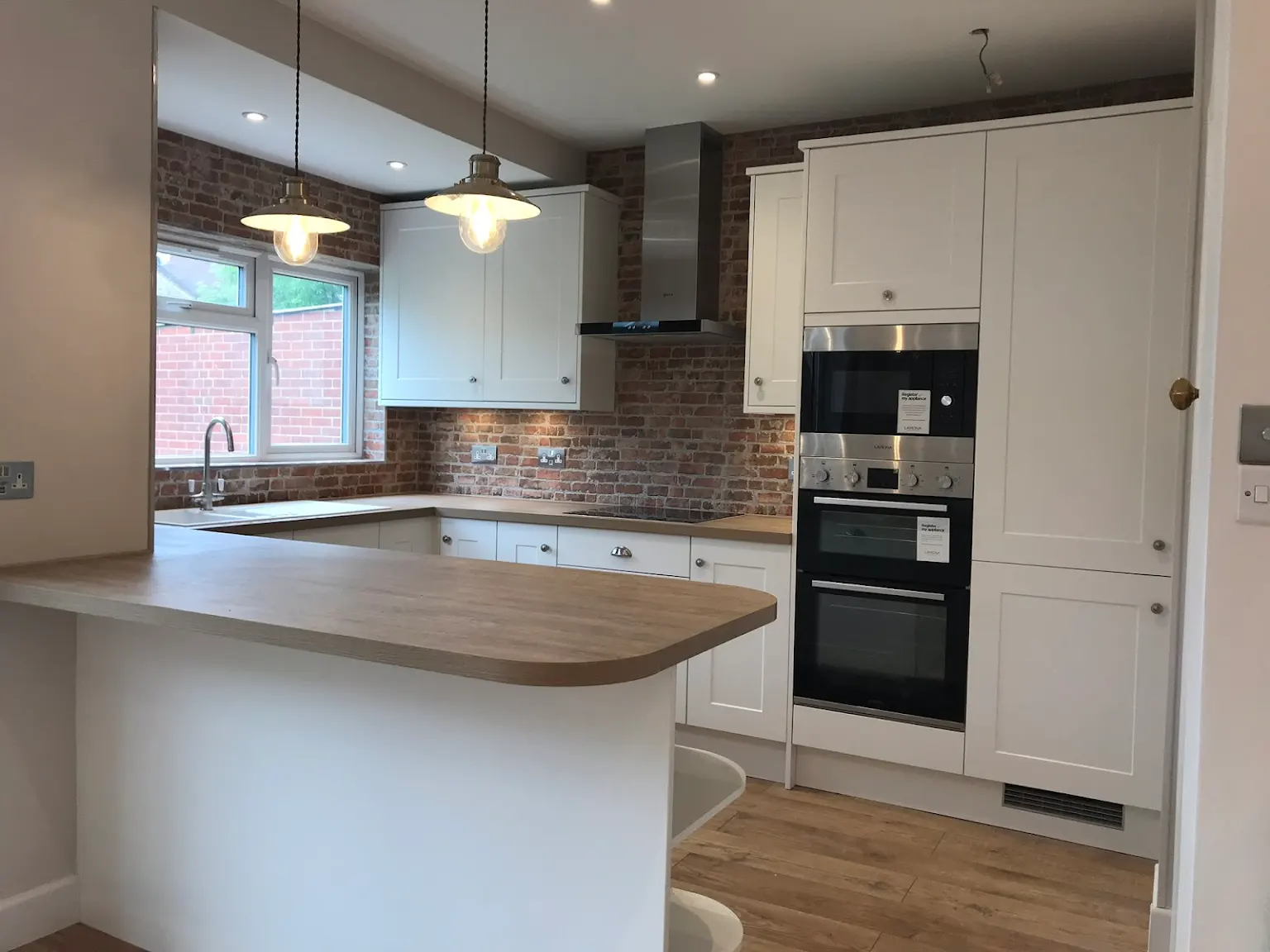
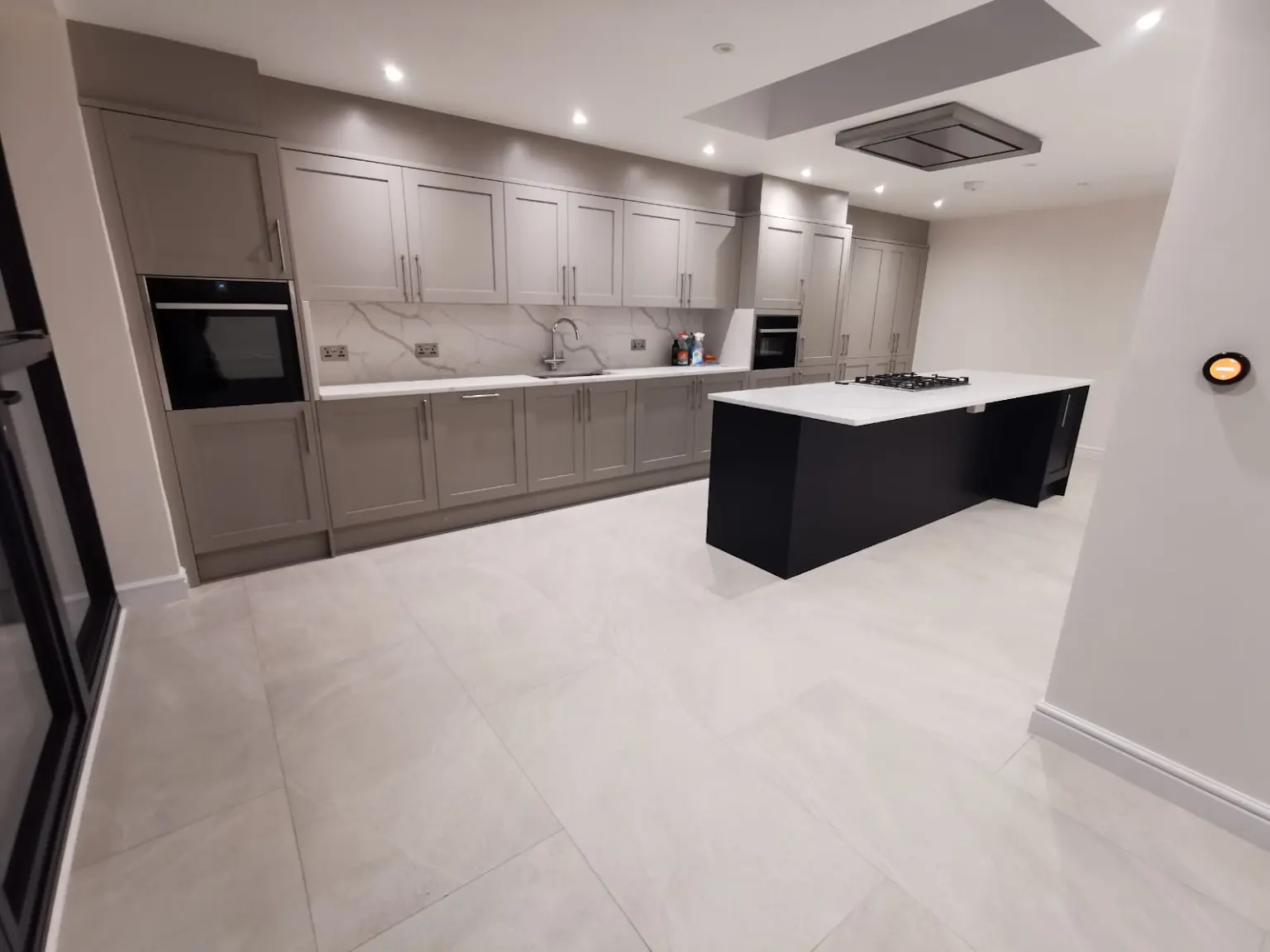
Improve Everyday Living & Consistency With the Rest of Your Home
Homeowners planning a ground-floor extension usually want a clear answer before moving forward. Many reach this point when space feels limited, family needs change, or moving no longer feels practical.
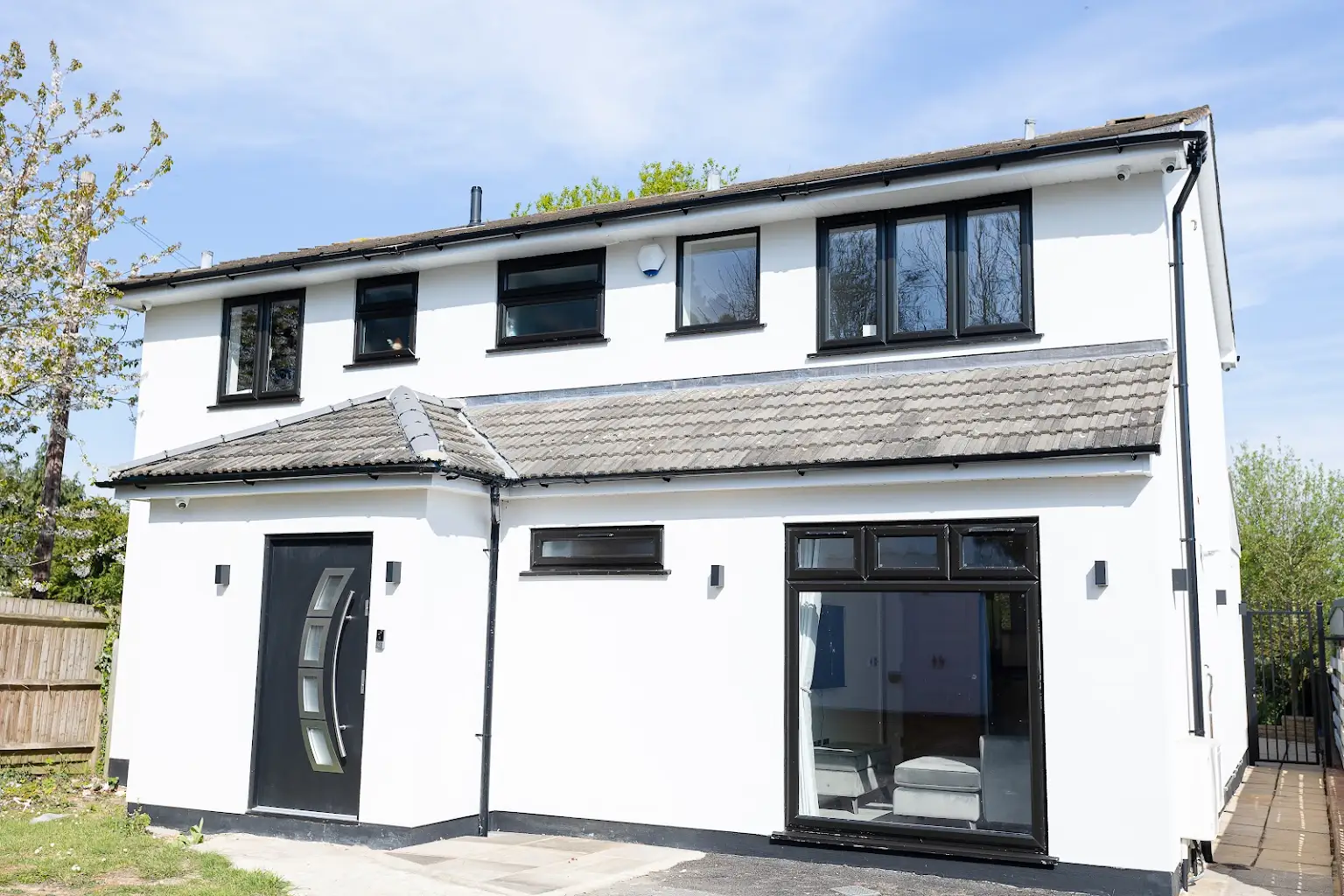
A single storey extension can add value when it improves how the home is laid out and used day to day. Extensions that create a well-designed kitchen, diner, or family living space often attract stronger buyer interest, particularly in London and the South East, where functionality and flow carry a premium. However, not every extension delivers the same outcome. Design quality, planning decisions, and build standards all influence resale value.
This guide explains when a single storey extension supports return on investment, what buyers prioritise, and how planning, design, and build quality influence resale value.
When a Single Storey Extension Adds Value & When It Does Not
A single storey extension adds value when it improves how the home functions and is supported by clear planning compliance. Buyers place greater confidence in extensions with approved designs, documented consent, and evidence that the work has been properly managed, such as through our Architectural Services.
Planning status plays a direct role in resale risk. GOV.UK confirms that while some extensions fall under permitted development, many require planning permission [1]. Where work is carried out without consent, local authorities can issue enforcement notices requiring alteration or removal, and failure to comply is illegal.
Timing also matters. Most planning applications in England are decided within eight weeks, with larger or more complex proposals taking up to thirteen weeks. Designing within local planning requirements reduces delay, avoids compromise, and helps protect long-term value.
What Buyers Actually Pay More For in Single Storey Extensions
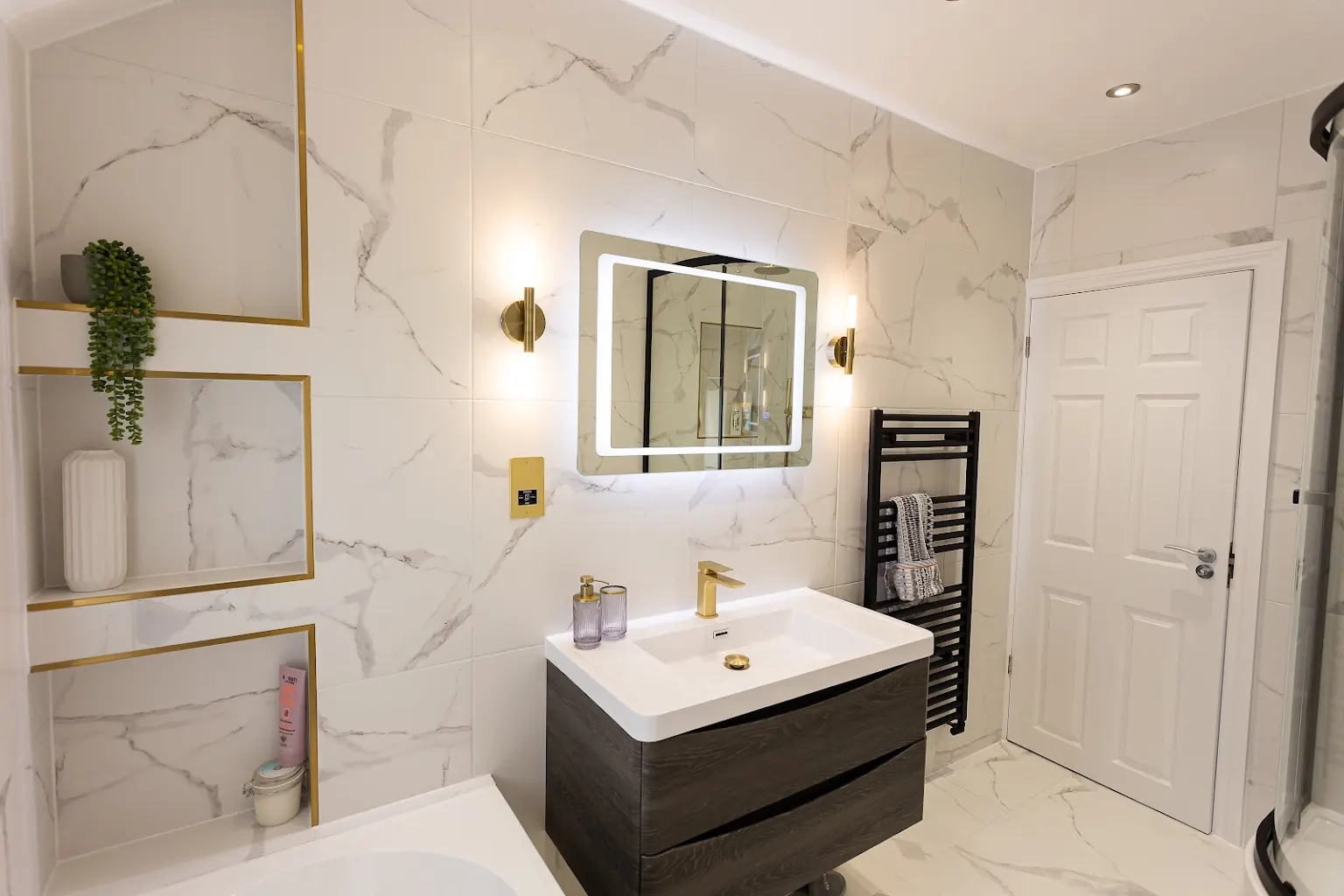
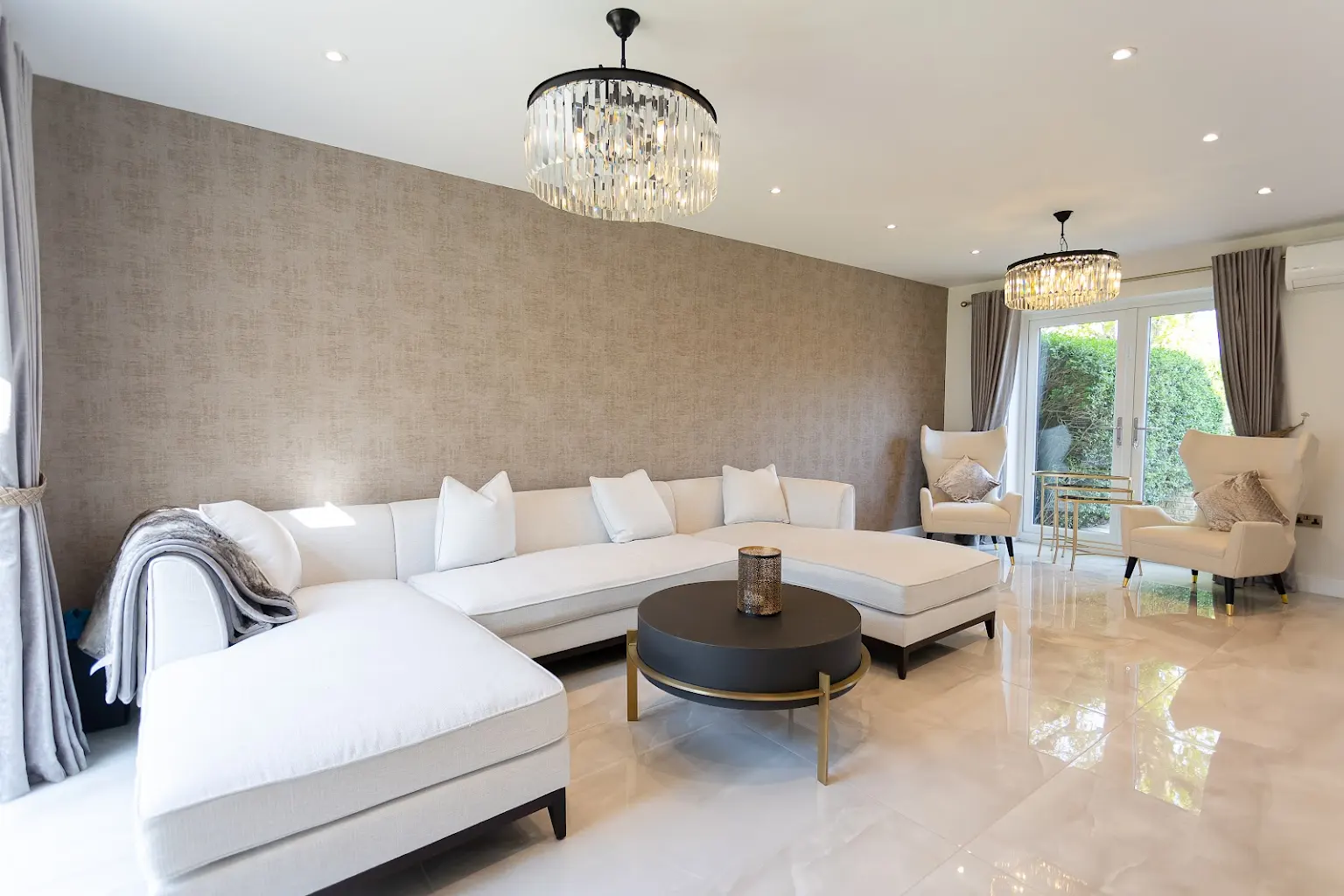
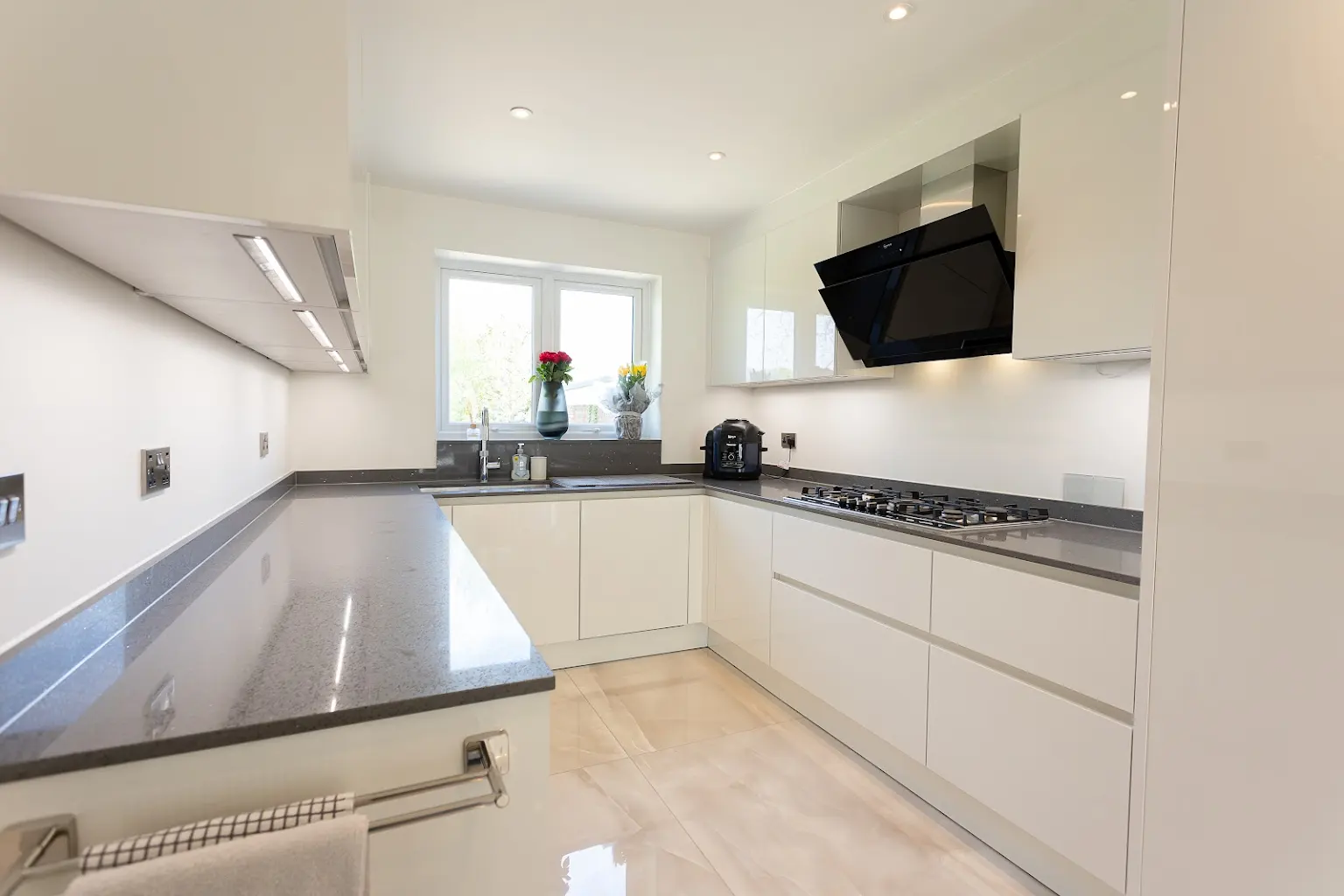
Buyers tend to judge an extension on whether it improves everyday living and whether the finish feels consistent with the rest of the home. Additional floor space alone rarely justifies a higher asking price unless the space feels usable, bright, and well-integrated.
This is supported by the English Housing Survey 2023 to 2024, which found that 15% of homes in England — around 3.8 million properties — fail the Decent Homes Standard, often due to outdated kitchens, poor comfort, or visible disrepair [2]. These issues directly influence how buyers assess quality.
Well-designed single storey extensions that buyers respond to typically address:
- The survey identifies 863,000 homes with kitchen layout-related problems.
- Natural light and comfort help the main living areas feel usable throughout the year.
- Overall condition and finish, as 1.8 million homes have windows in poor condition.
Why Local Price Ceilings Matter More Than Extension Size
A single storey extension is most likely to add value when it aligns with the ceiling price for similar homes in the local area. Overcapitalisation occurs when build cost and specification exceed what buyers are prepared to pay, regardless of build quality.
In higher-value areas, buyers often expect improved layouts, upgraded kitchens, and better energy performance. In lower-value markets, spending beyond local expectations may not translate into higher resale value, even when the work is well executed.
The New Decent Homes Standard highlights that many homes still fall short in terms of space, thermal comfort, and condition [3]. Improvements that address these fundamentals tend to align more closely with buyer expectations, provided investment remains proportionate to the surrounding market.
Why Kitchen Diner Extensions Drive Stronger Buyer Demand
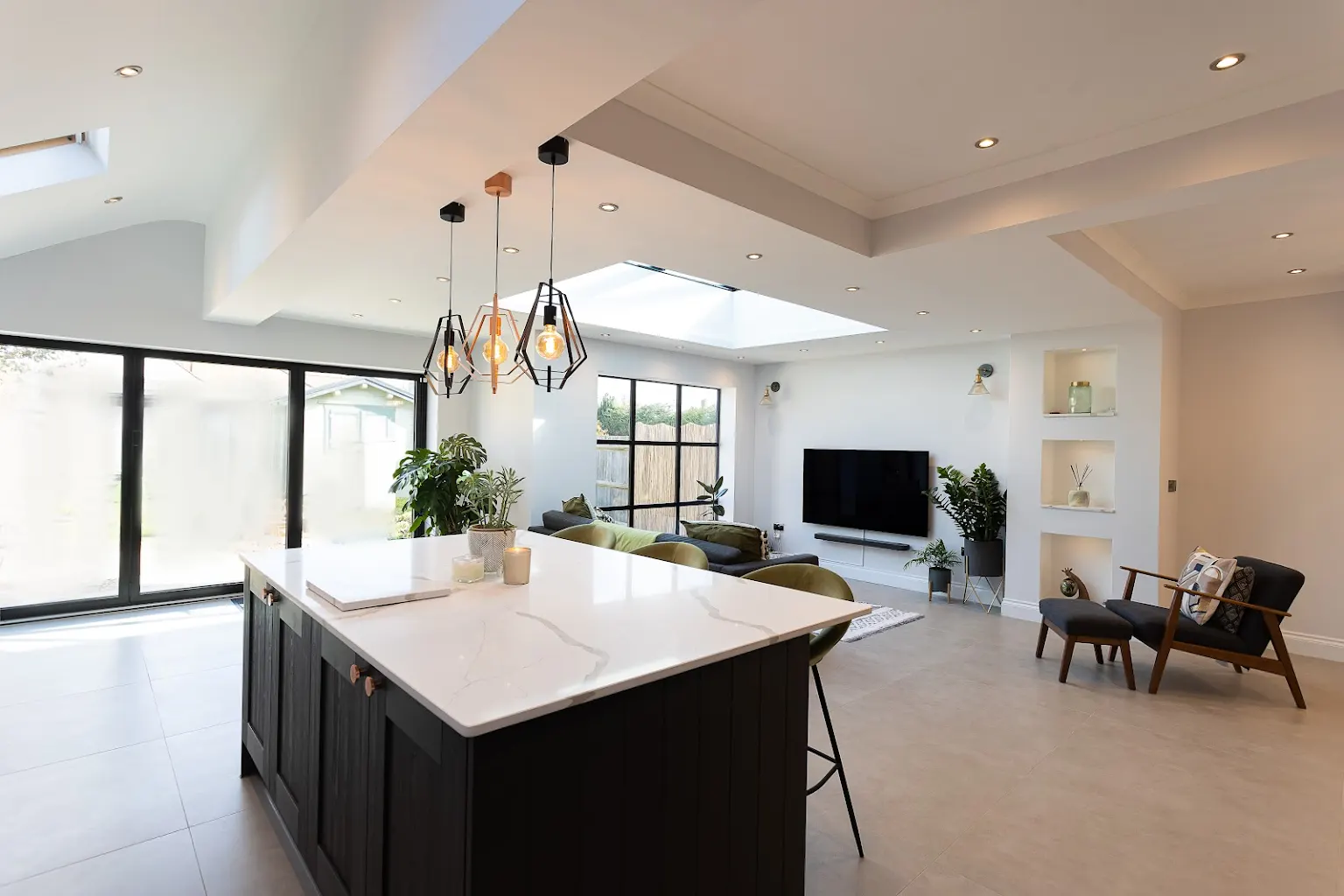
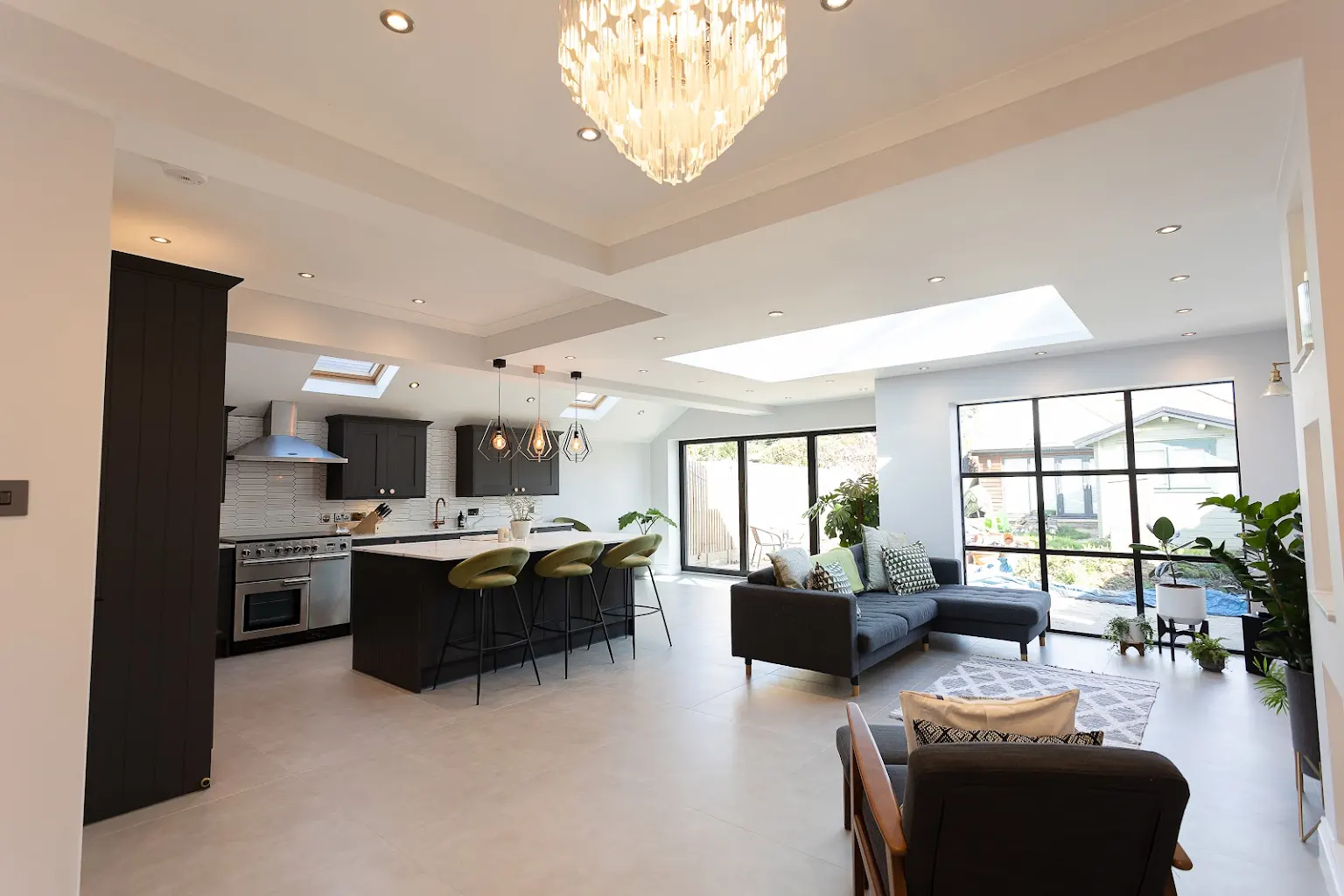
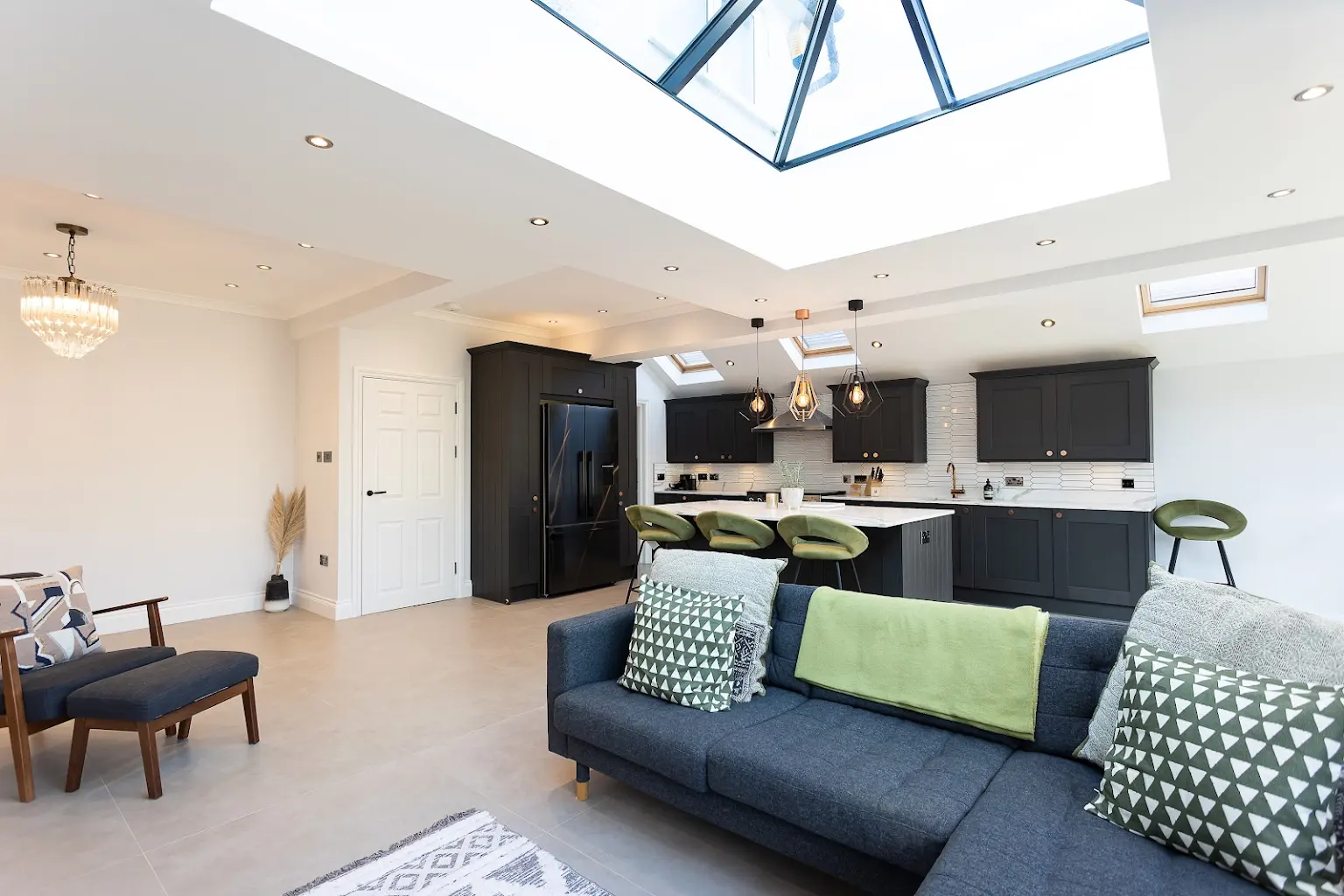
Kitchen-diner extensions consistently perform well because they support how buyers expect to live in a home. This space is often considered the main living area and is closely assessed during viewings.
Buyers respond most positively when kitchen-diner extensions offer:
- Clear zoning that allows cooking, dining, and seating areas to work without overlap.
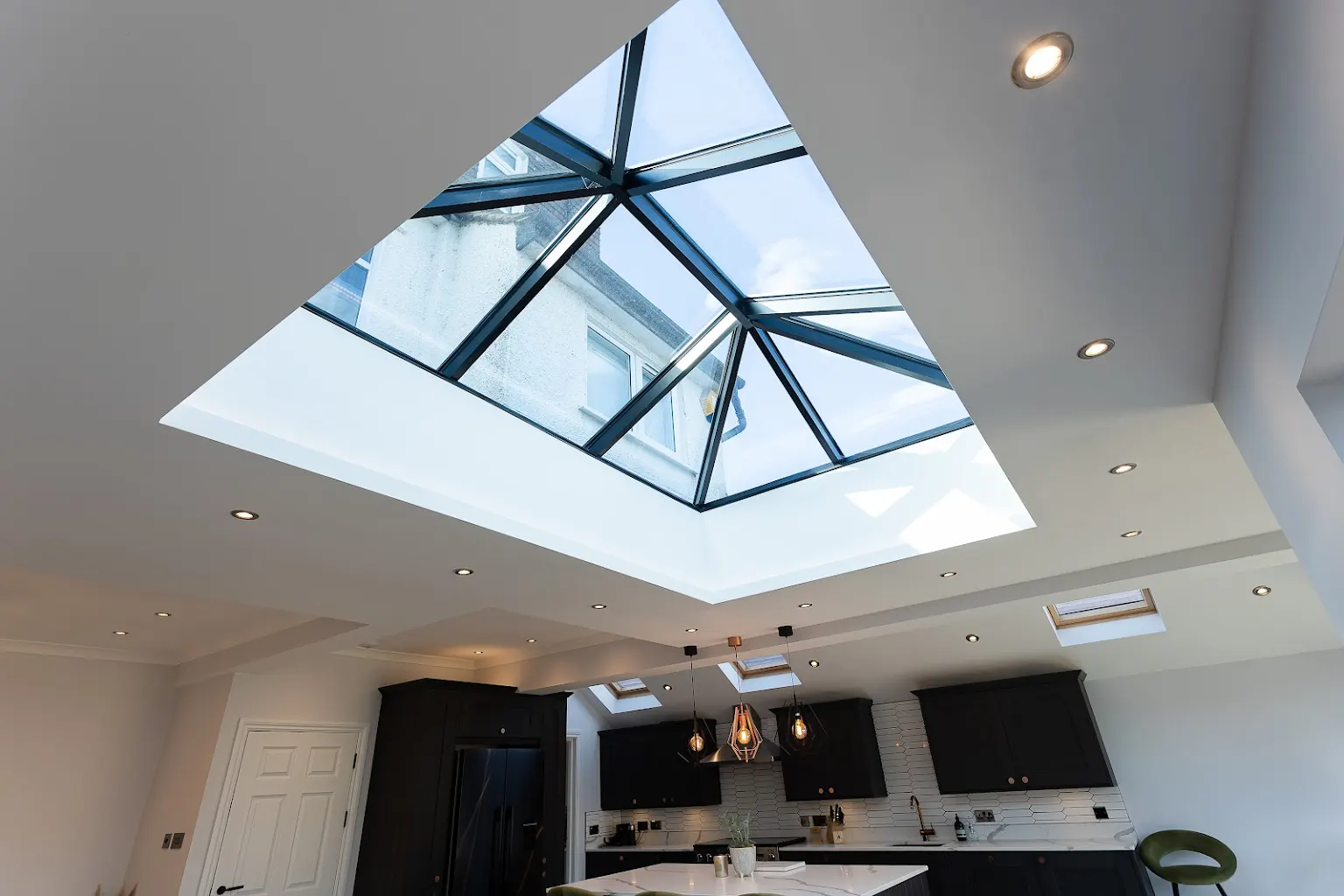
- Strong natural light helps the space feel usable throughout the day.
- Direct garden access improves the flow between indoor and outdoor areas.
When these elements are well resolved, the space feels practical rather than oversized. Buyers are more confident paying a premium when they can immediately understand how the room will be used.
How Design Quality Shapes Buyer Perception at Viewing
Design quality plays a key role in how an extension is perceived during viewings. Proportion, ceiling height, and transitions between the original house and the new space shape first impressions and influence buyer confidence.
Material choices and detailing affect how well the extension ages. Roof finishes, glazing quality, drainage, and internal joinery contribute to durability and visual consistency. Poor detailing is often noticed quickly and can raise questions about overall build quality.
Early design coordination helps ensure the extension complements the existing property and reflects local expectations. This approach supports a smoother build process and a more coherent final result.
Balancing Build Cost Against Realistic Return on Investment
Single storey extension cost varies depending on specification, structural requirements, access, and site conditions. Steelwork, groundworks, glazing, and internal finishes all influence overall investment.
Return on investment depends on whether the extension improves a key living area in a way buyers recognise and value. Projects that resolve clear layout limitations tend to justify spending more effectively than those focused on adding space alone.
Before proceeding, homeowners should assess:
- Whether the extension improves the main living space in a measurable way.
- How closely the layout matches local buyer expectations.
- Whether the specification is proportionate to the surrounding market.
This approach helps balance the build cost against the realistic long-term value.
Get Clear Advice on What Will Add Value Before You Build
Before committing to a single storey extension, it is worth applying a final sense check to the design. This helps confirm the project will improve how the home works and support long-term value.
Key questions to consider include:
- Does the extension improve the main living space in a clear and practical way?
- Is natural light sufficient throughout the day?
- Does the layout support storage, circulation, and flexibility?
- Is garden space reduced without a clear internal benefit?
- Does the specification align with local buyer expectations?
SM London Construction applies this decision-led approach from the early planning stage. Through clear advice, professional project management, and consistent build standards, we help clients avoid costly revisions and deliver extensions that stand up to buyer scrutiny.
Call 0208 226 5511 or book a consultation to discuss your plans and get clear guidance on what will add value to your home before you build.
External Sources
[1] GOV.UK, "while some extensions fall under permitted development, many require planning permission”: https://www.gov.uk/planning-permission-england-wales
[2] GOV.UK, “English Housing Survey 2023 to 2024”: https://www.gov.uk/government/statistics/english-housing-survey-2023-to-2024-drivers-and-impacts-of-housing-quality/english-housing-survey-2023-to-2024-drivers-and-impacts-of-housing-quality
[3] GOV.UK, “The New Decent Homes Standard”: https://www.gov.uk/government/consultations/consultation-on-a-reformed-decent-homes-standard-for-social-and-privately-rented-homes/outcome/the-new-decent-homes-standard-policy-statement