Add usable space and long-term value with a well-designed dormer loft conversion
You need more space, but moving is expensive, disruptive, and not always practical. For many London homeowners, the loft becomes the next place to look. Is a full dormer loft conversion worth the investment? In many cases, yes, when it creates a functional bedroom and improves how the space is used.
A poorly planned conversion can limit head height and reduce practicality. A well-designed dormer creates a room that works day to day and fits naturally within the property, which supports long-term value.
This guide explains how a full dormer loft conversion compares to other options and what factors affect cost, usability, and long-term performance.
Do Dormer Loft Conversions Add Value?
Yes, Nationwide’s 2025 analysis found that adding a large double bedroom and bathroom can increase a home’s value by up to 24%. It also shows that a 10% increase in floor area can add around 5%, while an additional double bedroom can increase value by 13% [1].
Value increases are strongest when the additional space improves the home's functionality. Understanding how space translates into value is important when planning a project. This is explored further in our blog, Does a Single Storey Extension Add Value to Your Home. In London, buyers prioritise rooms that feel complete and ready to use, particularly those with storage and an en-suite.
Dormers Are More Likely to Add Value When They
- Create a full bedroom that meets buyer expectations.
- Support layouts that feel consistent with the rest of the home.
- Stay in line with local property values.
They Are Less Effective When
- Space is too limited to form a practical room.
- The layout feels compromised or secondary.
- The build quality does not match the existing property.
Planning Permission That Can Affect Your Dormer Loft Conversion
Planning rules determine whether a full dormer loft conversion can proceed without formal approval. Many projects fall under permitted development, depending on the property type, location, and scale of the design.
Planning Portal states that loft conversions can proceed without full permission if they:
- Stay within 40m³ for terraced houses or 50m³ for others.
- Do not exceed the existing roof height.
- Use materials similar to the original property.
Additional restrictions apply. Front-facing dormers, conservation areas, and structural changes are more likely to require approval. Side-facing windows must also be obscure-glazed and positioned to protect privacy [2].
Confirming these requirements early helps avoid delays and ensures the design meets both planning and building control standards. Meeting building control standards is essential for approval and sign-off. This is explained further in how to meet UK building regulations for loft conversions.
Where drawings or planning support are required, our architectural services can help navigate approvals and ensure compliance.
How a Dormer Compares to Other Loft Conversion Options
Choosing the right loft conversion depends on the available space, roof structure, and planning constraints. The Royal Institution of Chartered Surveyors (RICS) reports that over a million UK homes have loft conversions, with the market growing by 5-10% annually. It also notes that converting a loft can cost significantly less than moving while increasing property value by up to 25% [3].
A dormer is often selected when the goal is to create a practical room without the level of structural change required for more complex conversions.
- Velux (rooflight): Lower cost and minimal structural work, but often limited to occasional use rather than a full bedroom.
- Hip-to-gable: Increases internal volume on certain property types and is often combined with a dormer.
- Mansard: Creates the most space but involves major structural changes and planning approval.
- Dormer: A balanced option that delivers usable space with more predictable build complexity.
Comparing different approaches helps clarify which option suits your property. See our guide to which types of loft conversions add the most space and value for a more detailed breakdown.
What Actually Drives the Cost of a Dormer Loft Conversion?
The cost of a full dormer loft conversion is shaped by structural complexity, specification, and site conditions rather than a fixed figure.
Key cost drivers include:
- Roof alterations and structural steel.
- Insulation upgrades and airtightness.
- Plumbing for en-suite layouts.
- Staircase design and integration.
- Access, scaffolding, and site logistics.
- Internal finishes and specification level.
Cost expectations can vary depending on scope and specification, as outlined in our planning home renovation costs and calculating a budget guide.
What Affects Comfort, Light, & Long-Term Performance
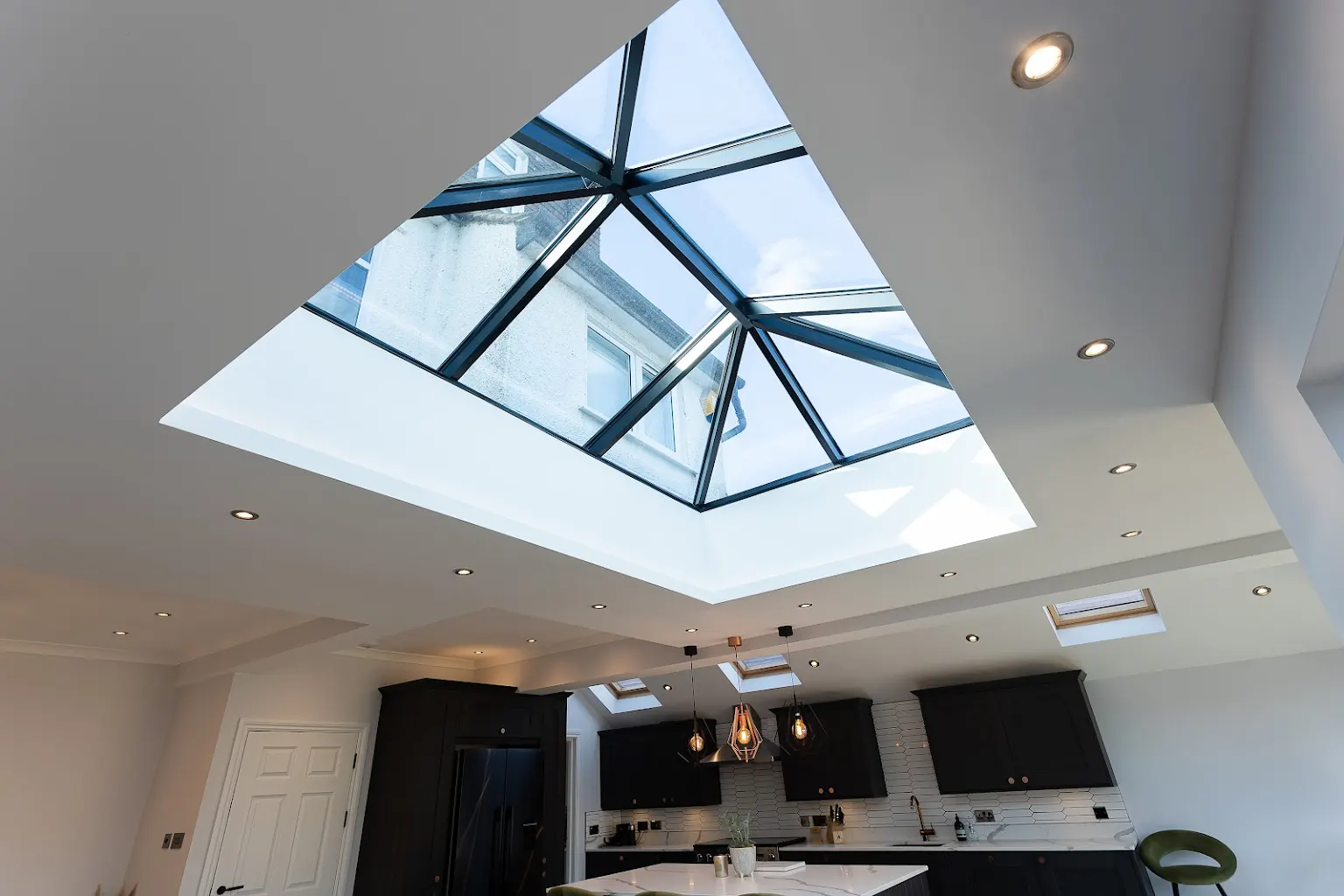
Natural light plays a key role in how a loft feels and functions. VELUX highlights that increasing daylight can make loft spaces feel brighter and more comfortable for everyday use, particularly in bedrooms and workspaces [4].
In a full dormer loft conversion, window placement should be planned early. Dormer windows provide consistent light and usable wall space, while rooflights help improve brightness through the centre of the room and the stair area. Reading client reviews can also help when assessing build quality, communication, and overall project experience.
Long-term performance depends on build quality. TrustMark’s 2025 research found that 45% of firms reported vacancies, 52% said skills shortages reduce workload, and 56% face challenges finding reliable subcontractors, which highlights the importance of working with experienced contractors and well-managed projects [5].
You can also view our loft conversion in West End Road Ruislip case study to see how dormer layouts, finishes, and natural light work in a completed project.
Should You Invest in a Full Dormer Loft Conversion?
For many London homeowners, the decision comes down to whether the loft can be converted into a practical, well-proportioned living space. A full dormer loft conversion is often effective when the existing loft has potential but lacks the structural support needed for everyday use.
A full dormer loft conversion is more likely to be worth it when:
- You need a full additional bedroom, potentially with an en-suite.
- The loft has a good footprint but limited head height.
- Improving the property is more cost-effective than moving.
It may be less suitable when:
- The loft footprint restricts a functional layout.
- Planning constraints limit the design or scale.
- The roof structure or another conversion type offers a better solution.
SM London Construction delivers loft conversions with a focus on practical design, build quality, and clear project management. If you want to understand our process and what is achievable for your property, professional advice can help you assess your options before moving forward.
Call 0208 226 5511 or book a consultation to discuss your loft conversion options.
External Sources
[1] Nationwide, Loft It Up: Attic Bedrooms Can Boost the Price of a Home by a Quarter: https://www.nationwide.co.uk/media/hpi/reports/xxx
[2] Planning Portal, Loft Conversion, Planning Permission: https://www.planningportal.co.uk/permission/common-projects/loft-conversion/planning-permission
[3] The Royal Institution of Chartered Surveyors (RICS), Home Extensions and Improvements: https://www.rics.org/consumer-guides/home-extensions-improvements
[4] VELUX, Ideas for Your Loft Space – How To Create a ‘Wow’ Factor: https://www.velux.co.uk/magazine/ideas-for-your-loft-space
[5] TrustMark, Skilled to Build: https://cms.trustmark.org.uk/media/aaknq230/skilled-to-build-full-report.pdf