Are side return extensions a worthwhile investment for Victorian homes?
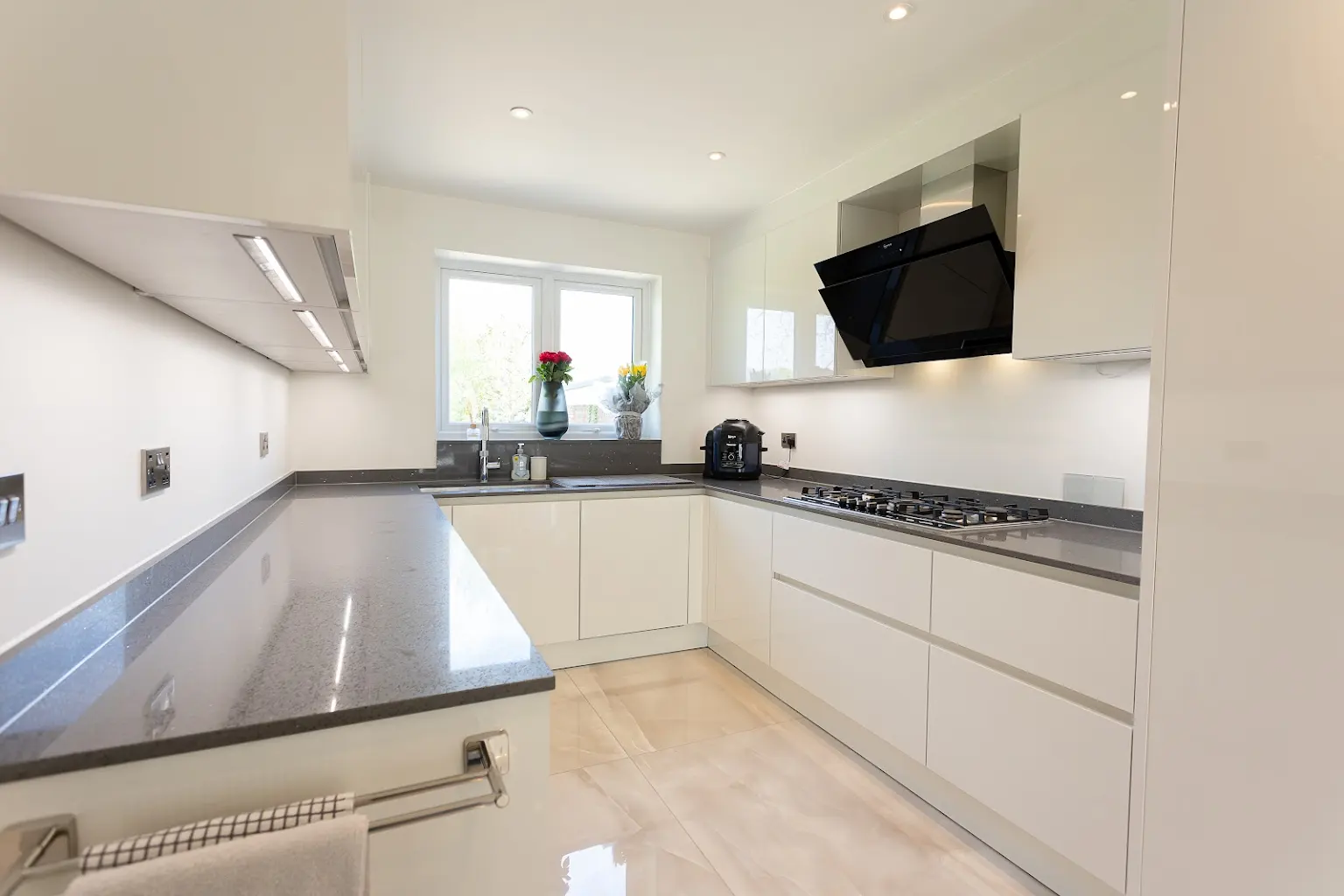
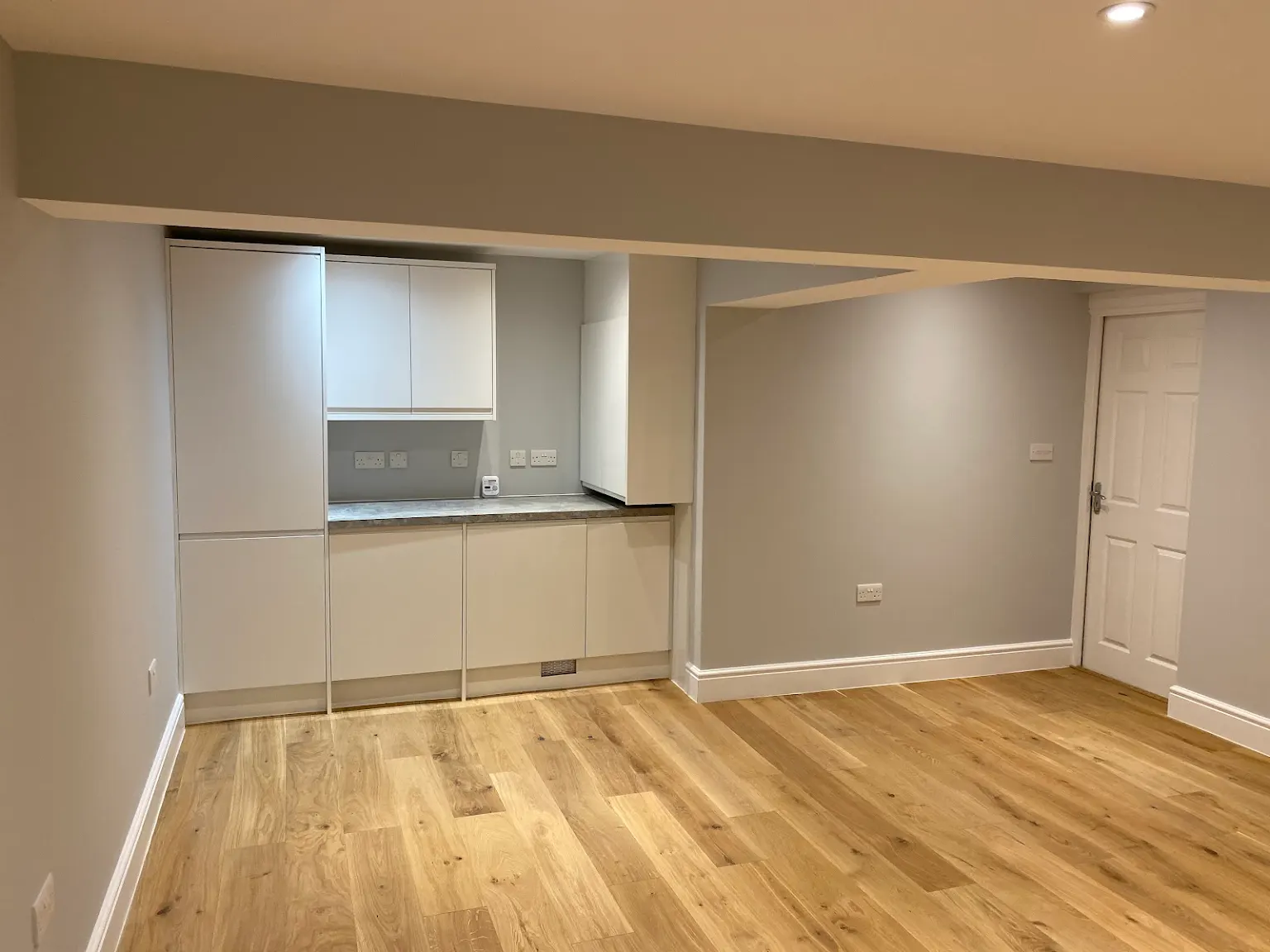
Victorian terrace side return extensions are often considered when the rear of the house no longer meets daily needs. Many London terraces have narrow, overused kitchens with limited light and poor circulation. While updated finishes can improve appearance, compromised proportions often prevent the space from functioning effectively.
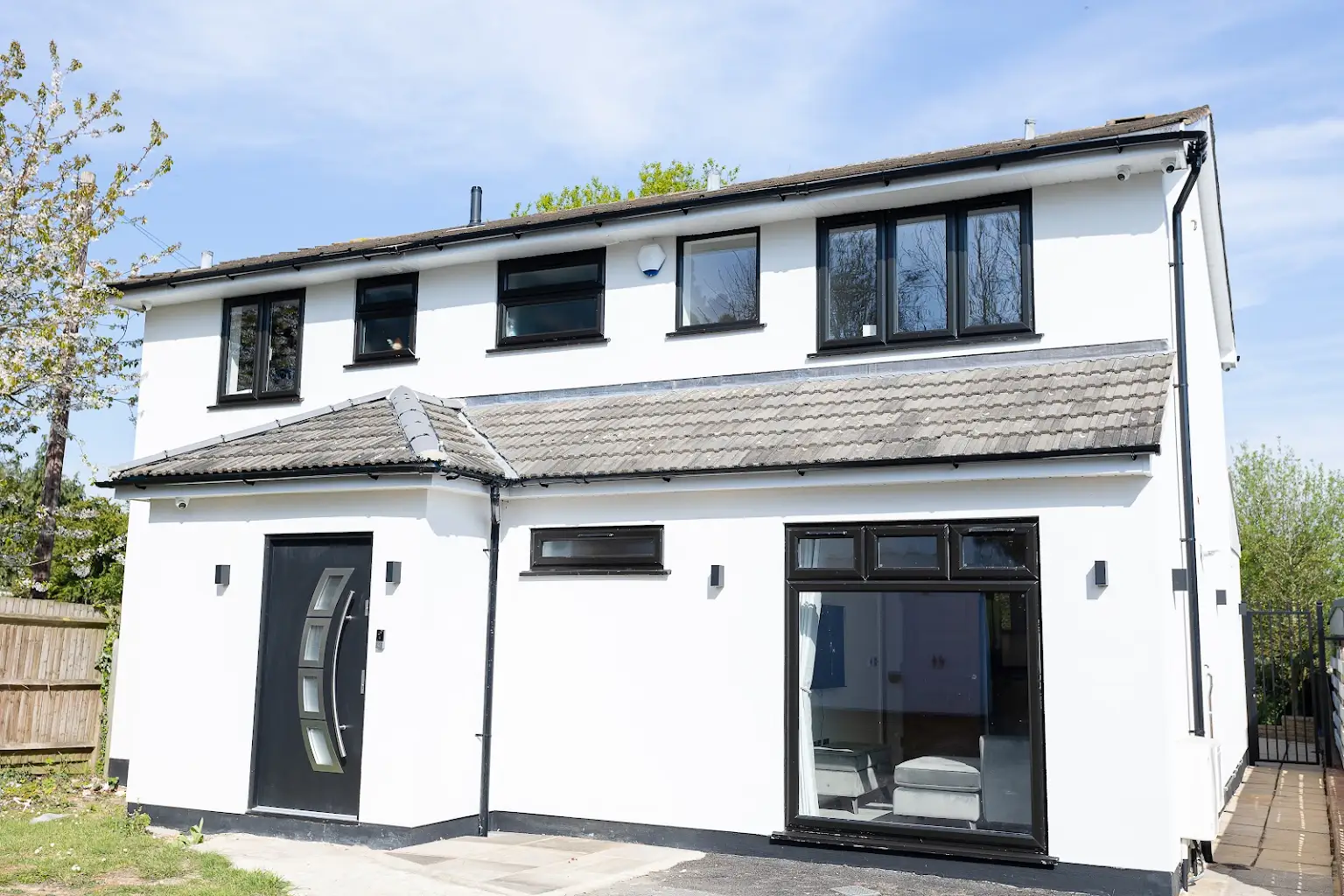
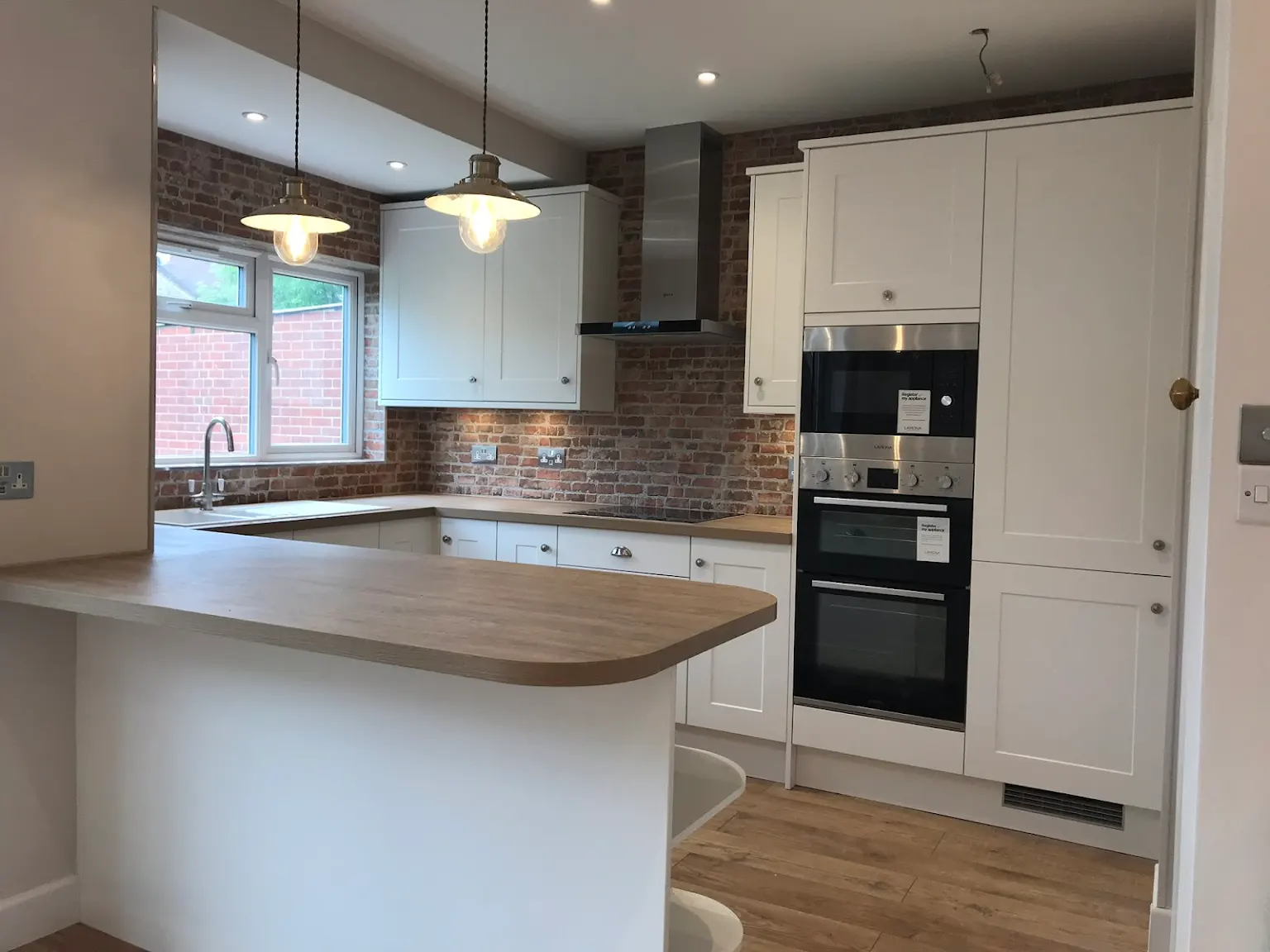
A side return extension is a structural improvement, rather than just a cosmetic upgrade. When well designed and built, it widens the rear of the house, increases daylight, and creates a more functional kitchen and dining area. This is achieved while maintaining garden depth and preserving the original character of the terrace.
This article evaluates whether side return extensions are a worthwhile investment for Victorian homes, focusing on floor plan strategy, planning constraints, construction realities, and long-term value.
When a Side Return Extension Makes Practical Sense
A side return extension is worth considering when the ground-floor layout prevents the home from functioning as a unified space. In Victorian terraces, this is often seen in kitchens that remain constrained despite refurbishment, with circulation routes that disrupt daily use and furniture layouts that feel unsettled. If widening the rear footprint addresses these issues without reducing garden space, a side return provides a proportionate and efficient solution.
Situations where a side return extension typically makes sense include:
- Kitchens where circulation cuts through the main working area
- Ground floors that cannot support a balanced kitchen and dining layout
- Limited wall space for storage, appliances, or glazing
- Furniture arrangements that feel forced or temporary
- Rear spaces that feel visually unsettled despite updated finishes
From a value perspective, the outcome is more important than build cost alone. The Royal Institution of Chartered Surveyors advises that residential value is based on comparisons with similar properties, considering layout adaptability, condition, and specification as well as size [1]. A well-planned side return is most effective when it brings the home in line with comparable upgraded terraces, reducing compromise and avoiding future corrective work.
How Floor Plan Discipline Determines Success
Successful side return extensions rely on disciplined floor planning. The goal is to widen the rear of the house while maintaining a clear hallway and avoiding pinch points that reduce usability. Effective layouts feel intentional and balanced, even in smaller spaces.
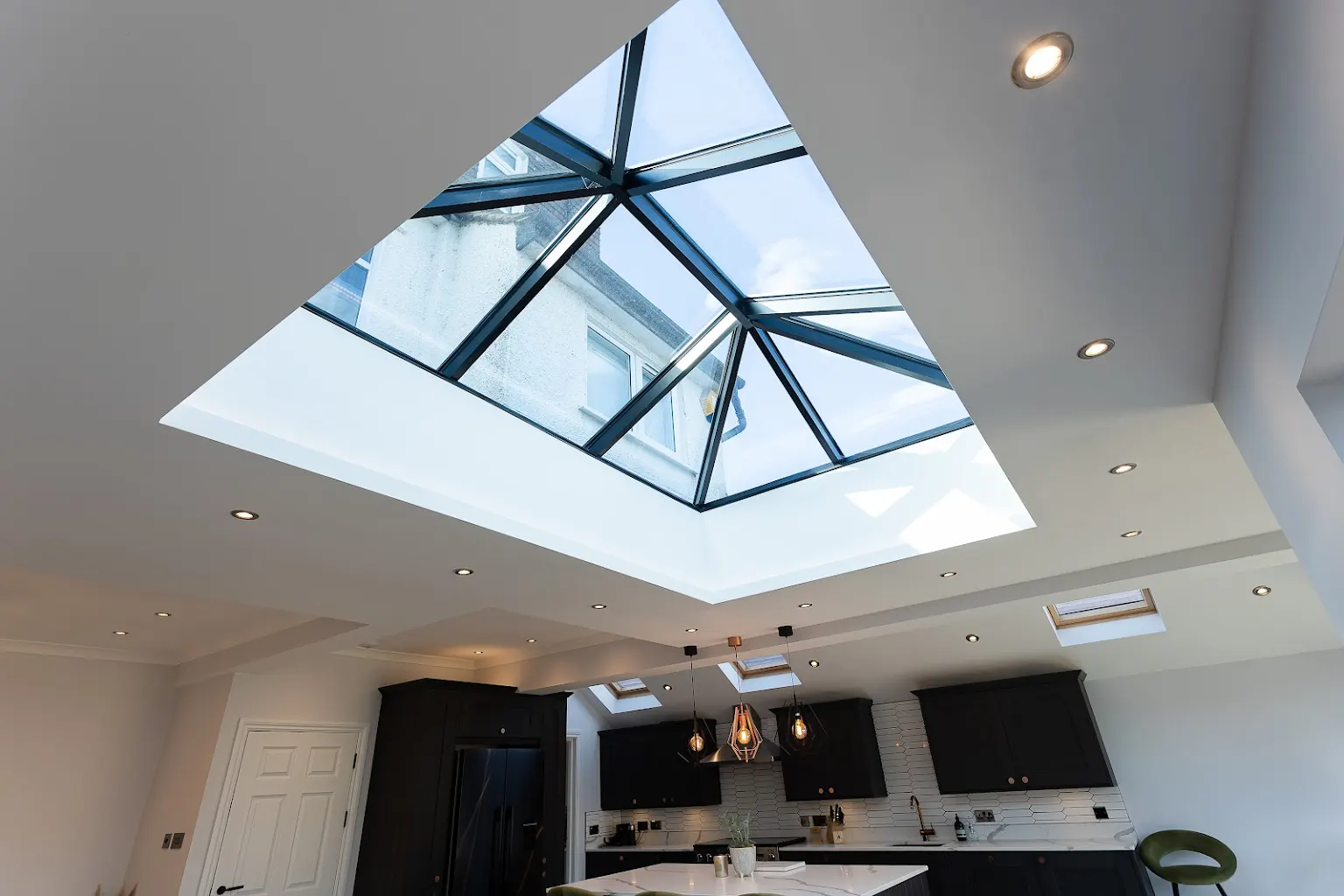
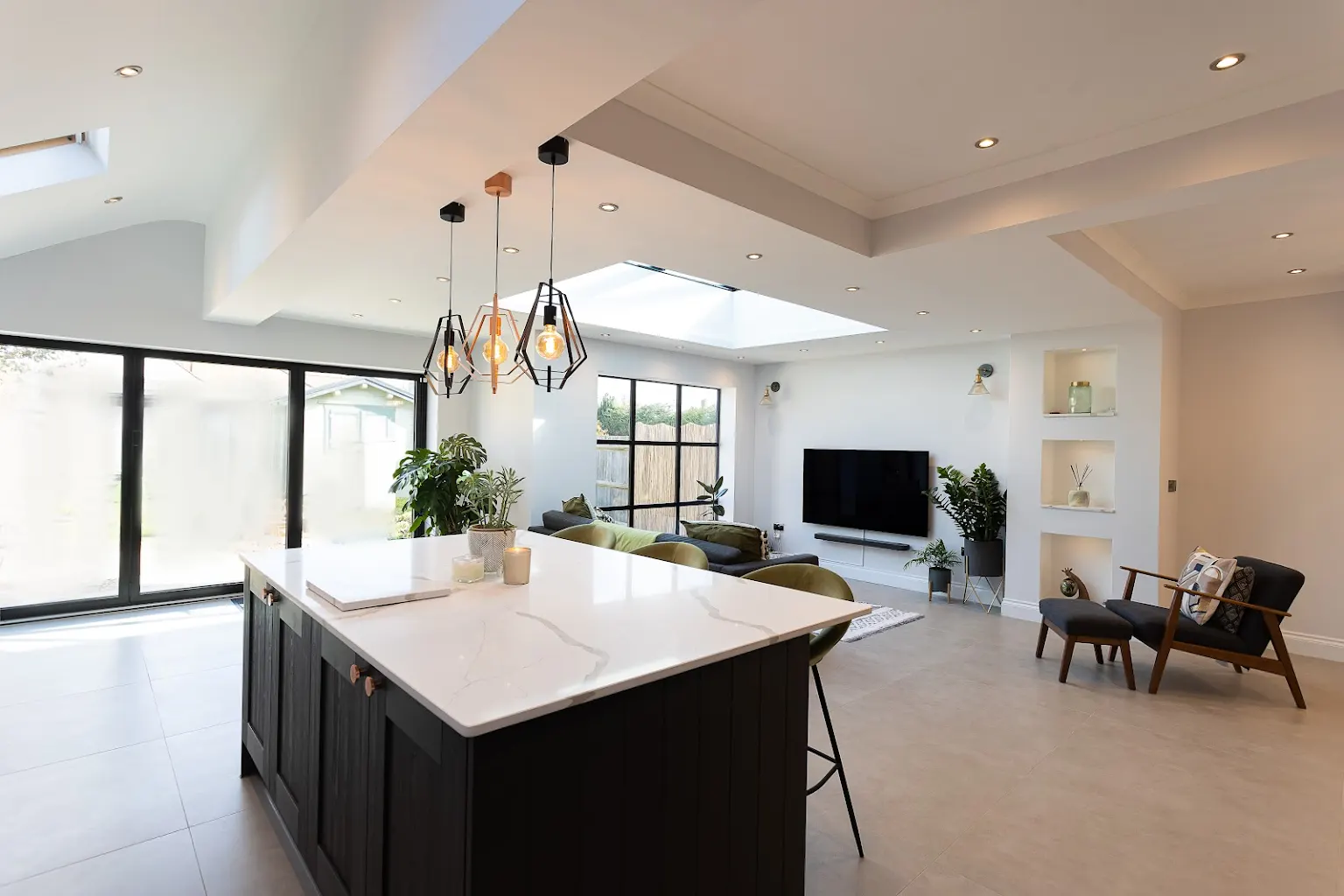
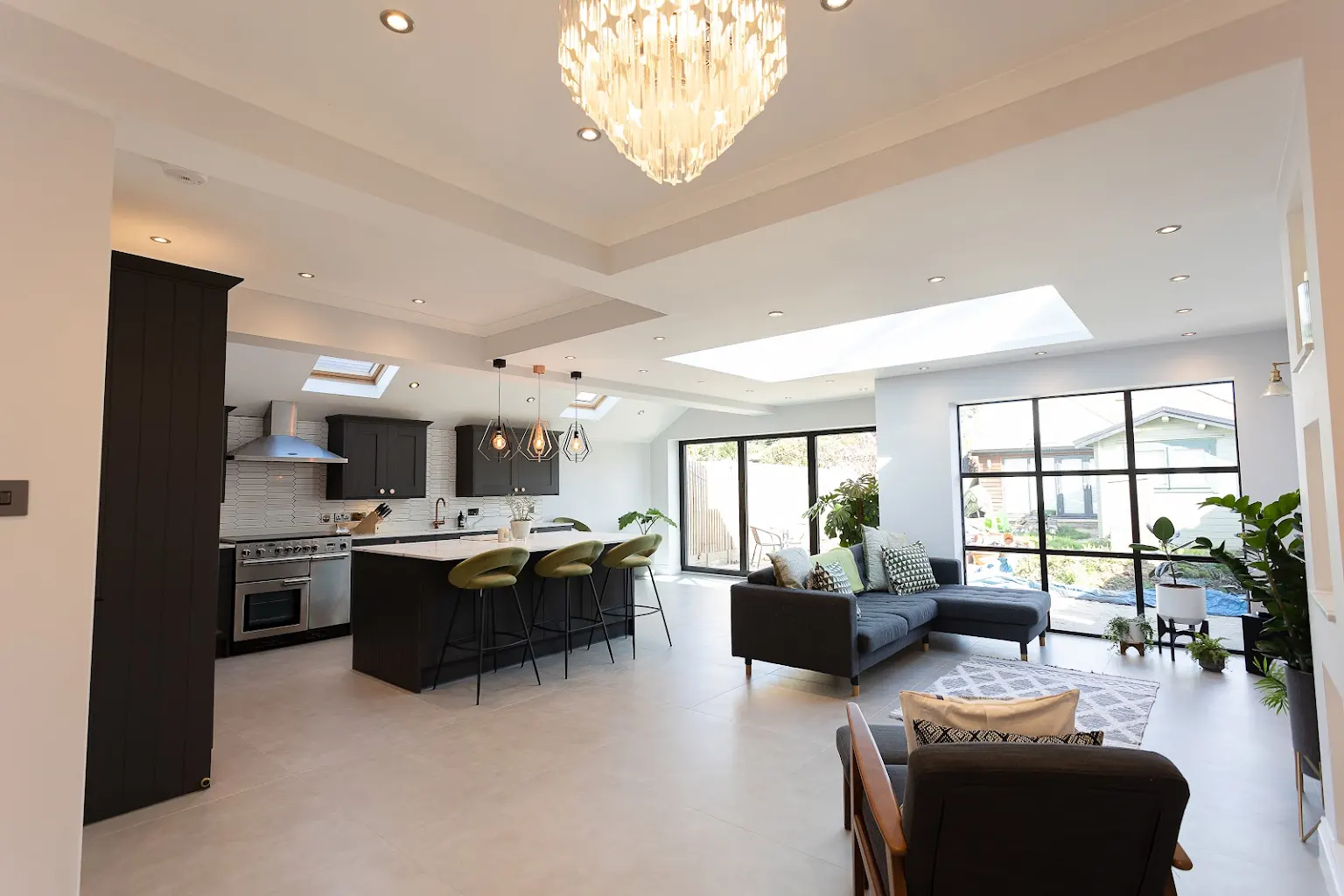
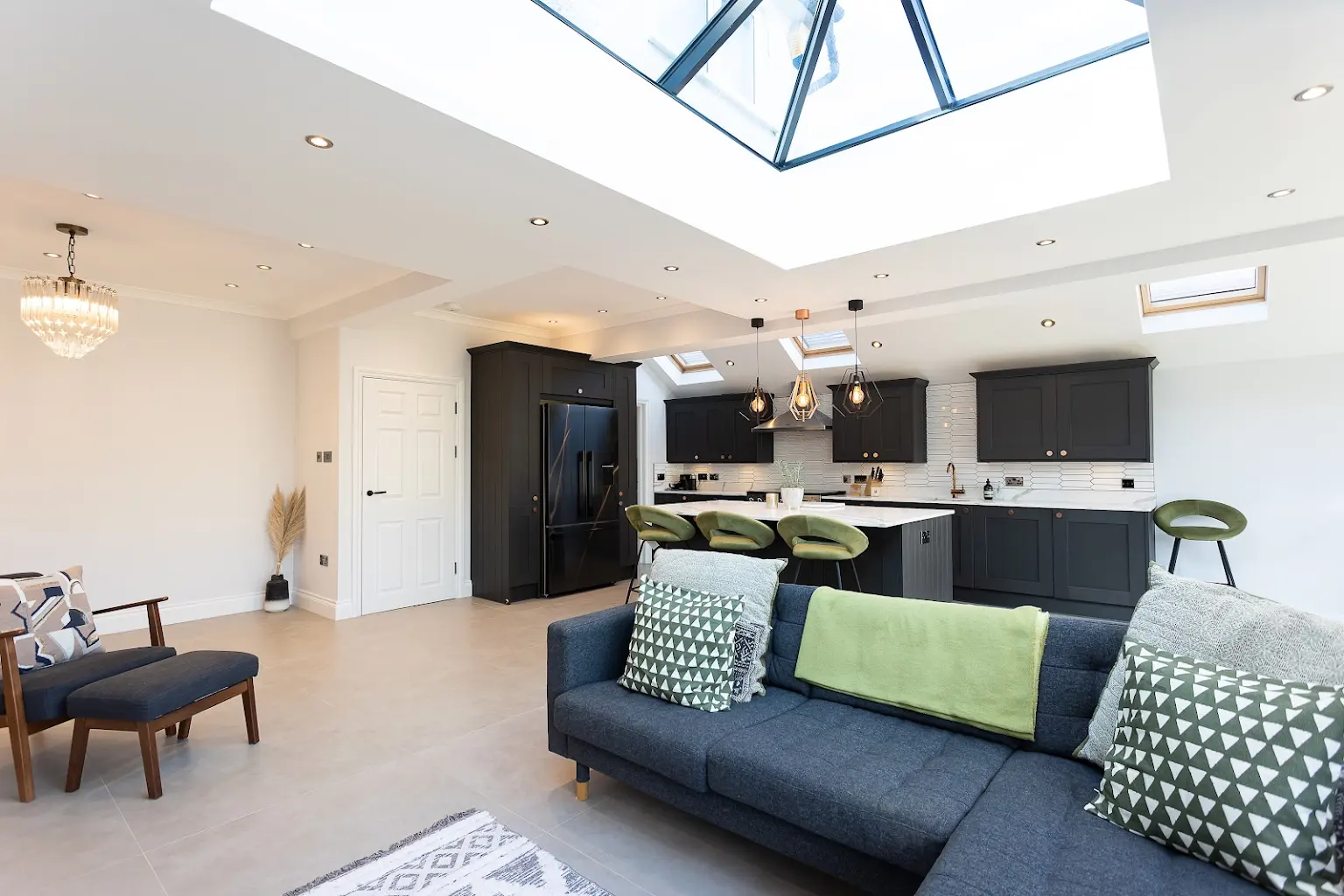
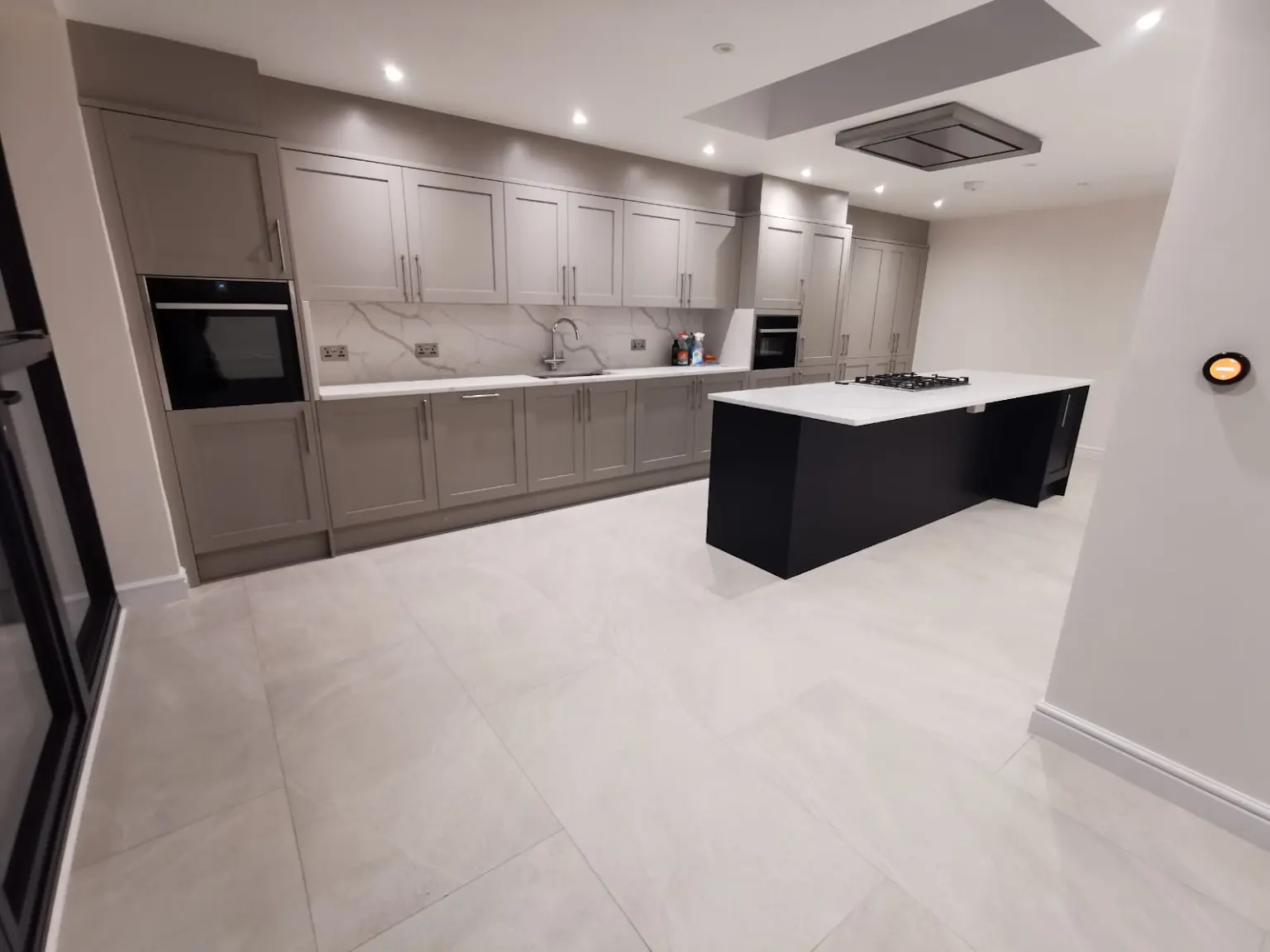
Common approaches include widening the kitchen toward the garden, often with an island that supports circulation. Open-plan kitchen and dining layouts benefit from roof glazing and full-width rear doors, which distribute light across the space. In some homes, part of the side return is used for a utility or WC, keeping the main kitchen uncluttered.
In all layouts, careful storage planning and consistent circulation are essential. When approached with restraint, these plans support daily living and preserve the original Victorian proportions.
Homeowners considering these projects benefit from reviewing specialist guidance on side return extensions, which outlines feasibility, sequencing, and expected outcomes.
Planning Limits & Build Realities in London Terraces
Planning feasibility often determines whether a side return extension proceeds smoothly or faces later constraints. Many Victorian terrace side return extensions fall within permitted development rights, but only if specific conditions are met, and no local restrictions apply. In London, conservation policies and Article 4 Directions require early checks to avoid redesign or delays [2].
Key planning limits that commonly apply include:
- Side extensions must be single-storey
- Maximum height is four metres
- Eaves height is limited to three metres when within two metres of a boundary
- The extension width cannot exceed half the width of the original house
- Article 2(3) designated land usually requires full planning permission
Beyond planning, the complexity of construction is often underestimated. Side return extensions require party wall agreements, drainage changes, structural steelwork, and the management of restricted site access. Coordinating these elements at the design stage helps prevent delays and compromises. Planning Portal provides the most reliable guidance before starting design work.
How Buyers Assess Value in Upgraded Victorian Homes
A side return extension can increase value by making a Victorian terrace more competitive in the local market. Buyers often respond to how complete and settled the ground floor layout feels. A well-designed kitchen and dining area can signal less future disruption, which influences buyer confidence and time on the market as much as overall size.
Broader renovation trends reinforce this emphasis on kitchen-led improvements. UK home improvement data from Hillarys values the market at £11.2 billion in 2024, projected to reach £16.67 billion by 2033, with nearly seven million homeowners planning renovations by 2027 [3]. This sustained investment reflects how buyers and homeowners alike prioritise kitchens as indicators of overall quality and future adaptability.
For homeowners planning to stay, value is often realised through longevity. A side return that supports adaptable layouts, storage, and daylight remains relevant as needs change, enhancing both daily living and future resale confidence.
A Measured Verdict for Victorian Terrace Homes
A side return extension is often worthwhile when it improves width, light, and circulation while respecting the proportions of a Victorian terrace. The best results come from careful layout planning and a clear understanding of planning and build constraints. Where side passages are very narrow or restrictions are significant, alternative solutions may offer better value. An early, thorough appraisal helps ensure the investment improves both daily use and long-term value.
SM London Construction delivers high-end property transformations across London, with extensive experience in side return extensions for Victorian terraces. Our integrated approach combines architectural design, planning coordination, and construction within one team, ensuring layouts, materials, and build sequencing are managed with consistency and care.
Call 0208 226 5511 or book a consultation to discuss whether a side return extension is right for your home.
External Sources
[1] The Royal Institution of Chartered Surveyors, “residential value is based on comparisons with similar properties”: https://www.rics.org/content/dam/ricsglobal/documents/standards/Comparable%20evidence%20in%20real%20estate%20valuation.pdf
[2] Planning Portal, “Article 4 Directions”: https://www.planningportal.co.uk/permission/common-projects/extensions/planning-permission
[3] Hillarys, “UK home improvement data”: https://www.hillarys.co.uk/static/home-renovation-statistics/