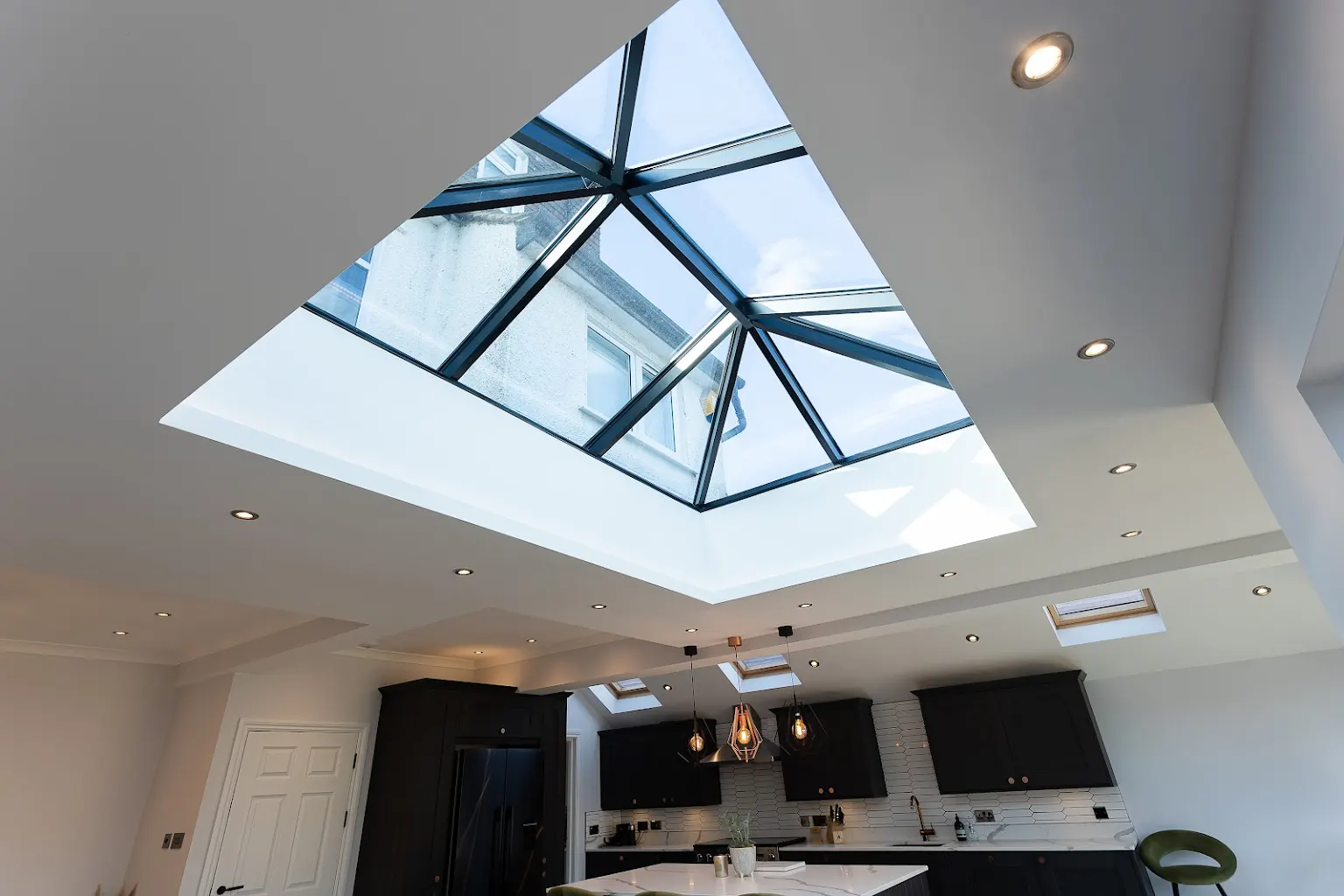
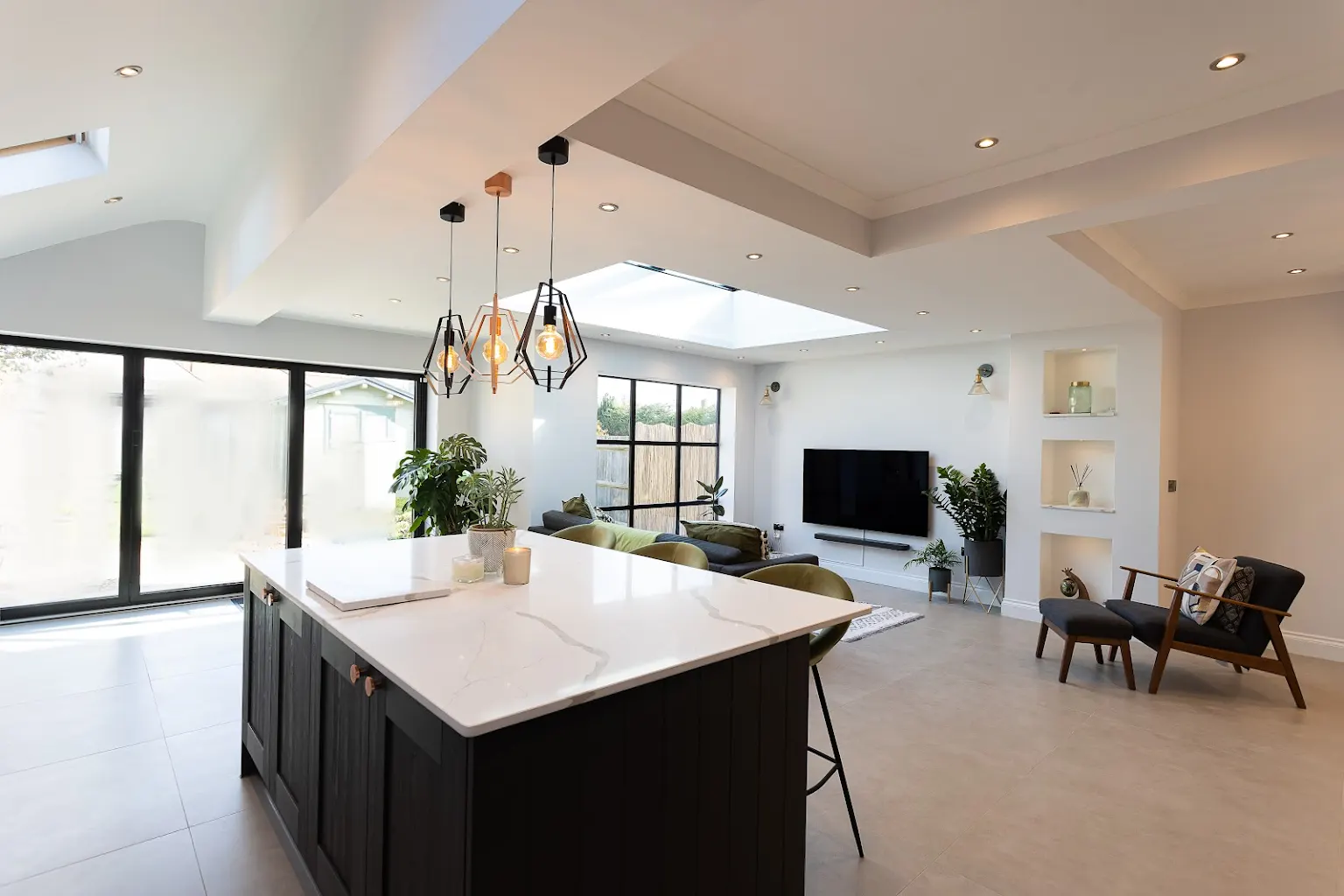
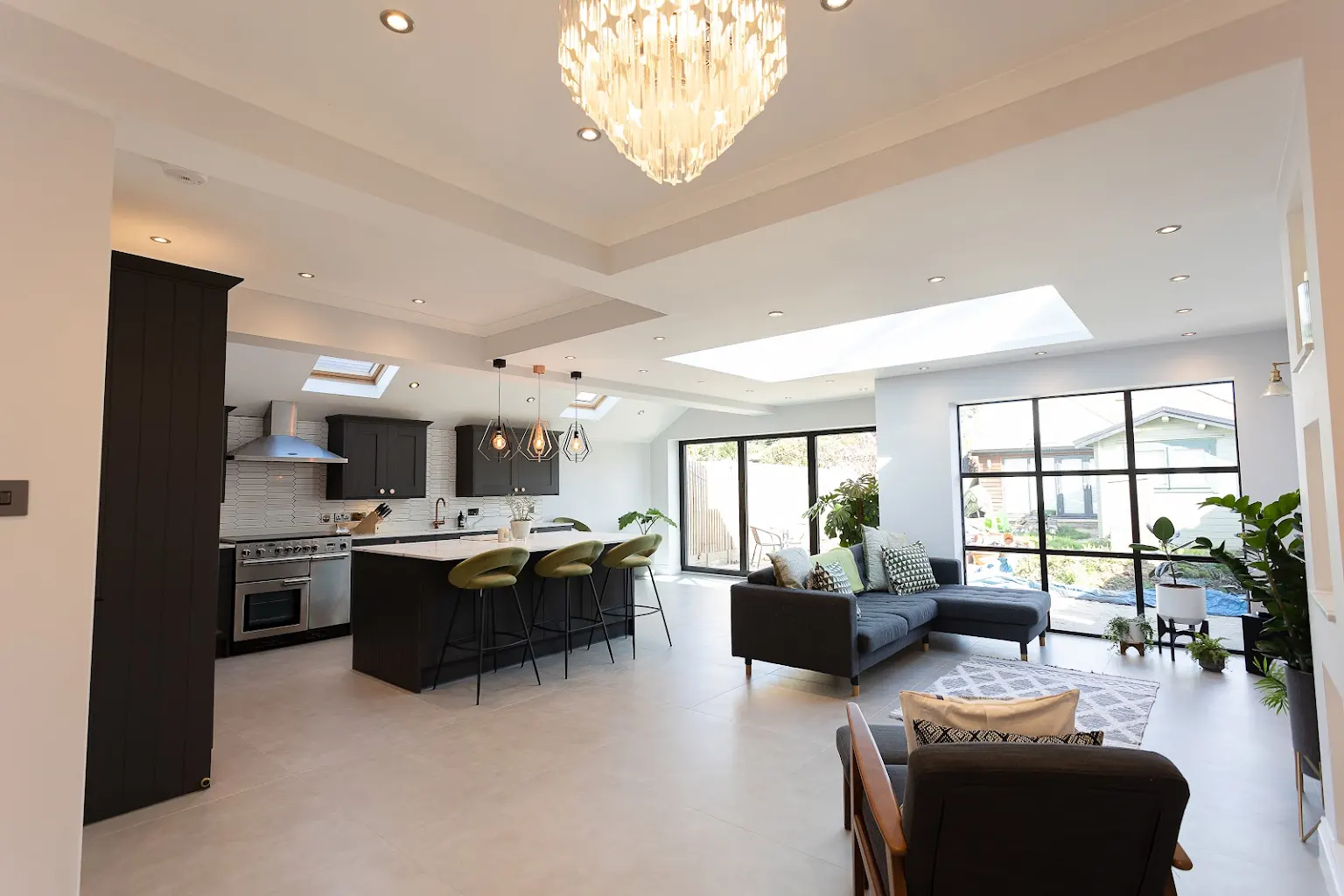
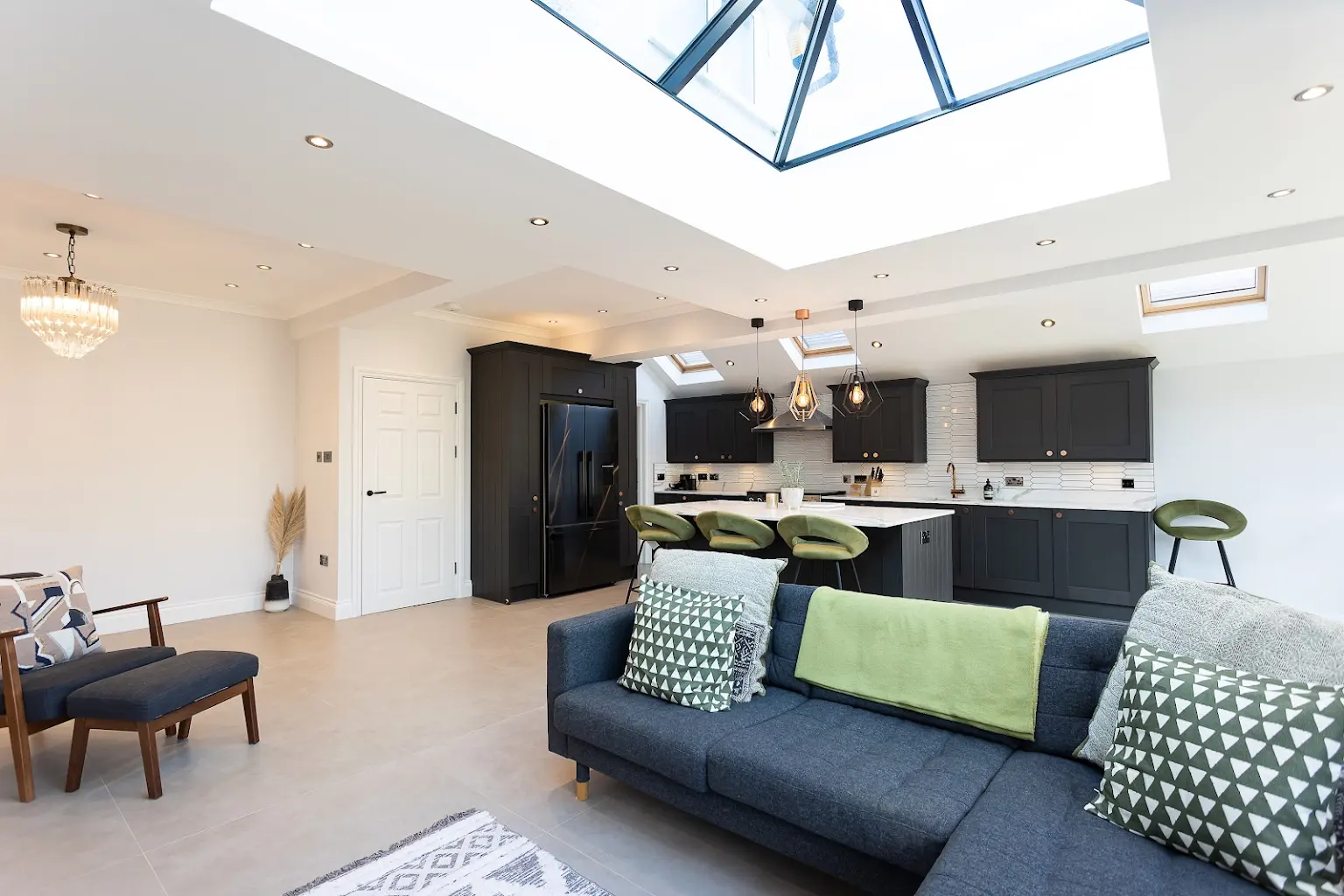
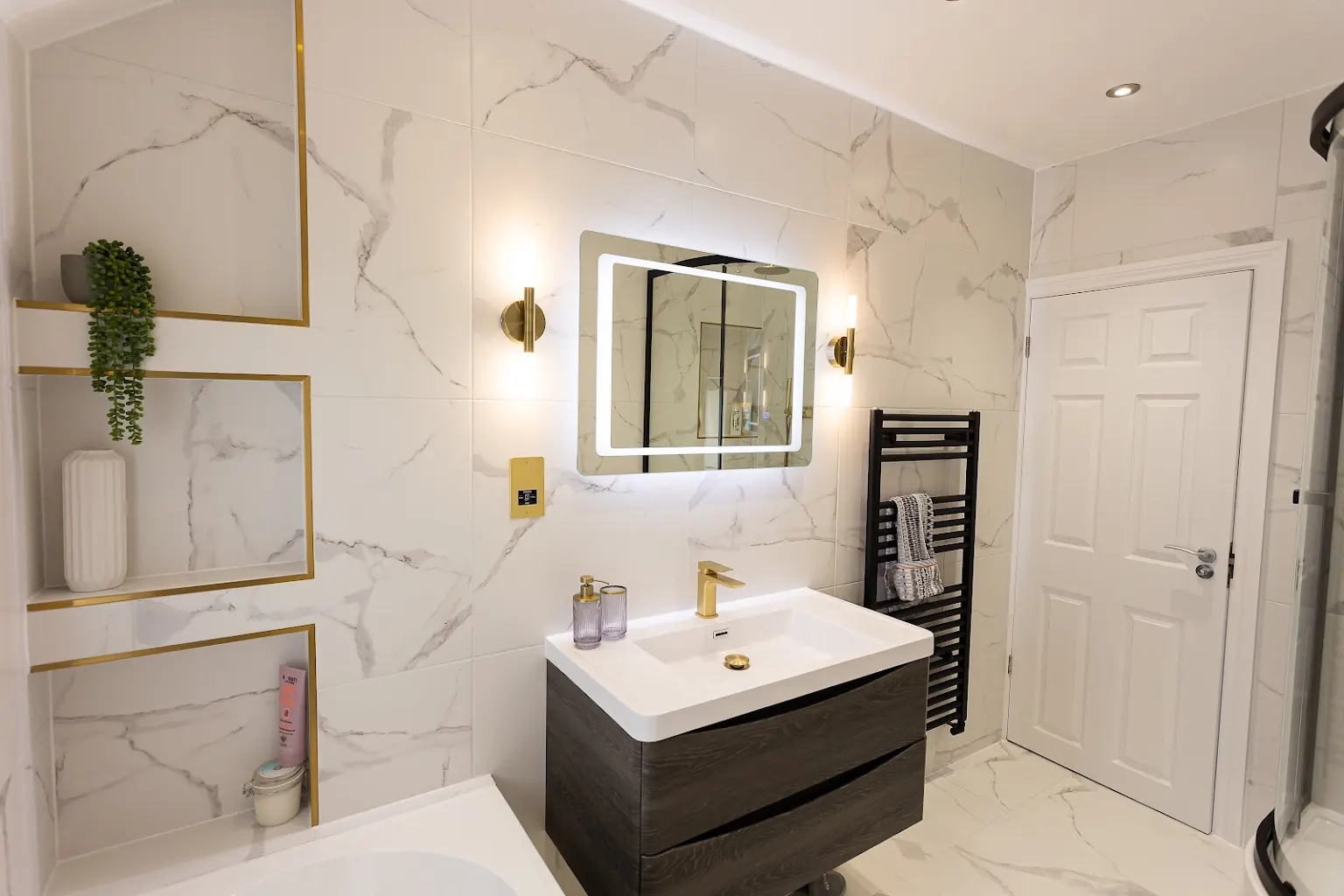
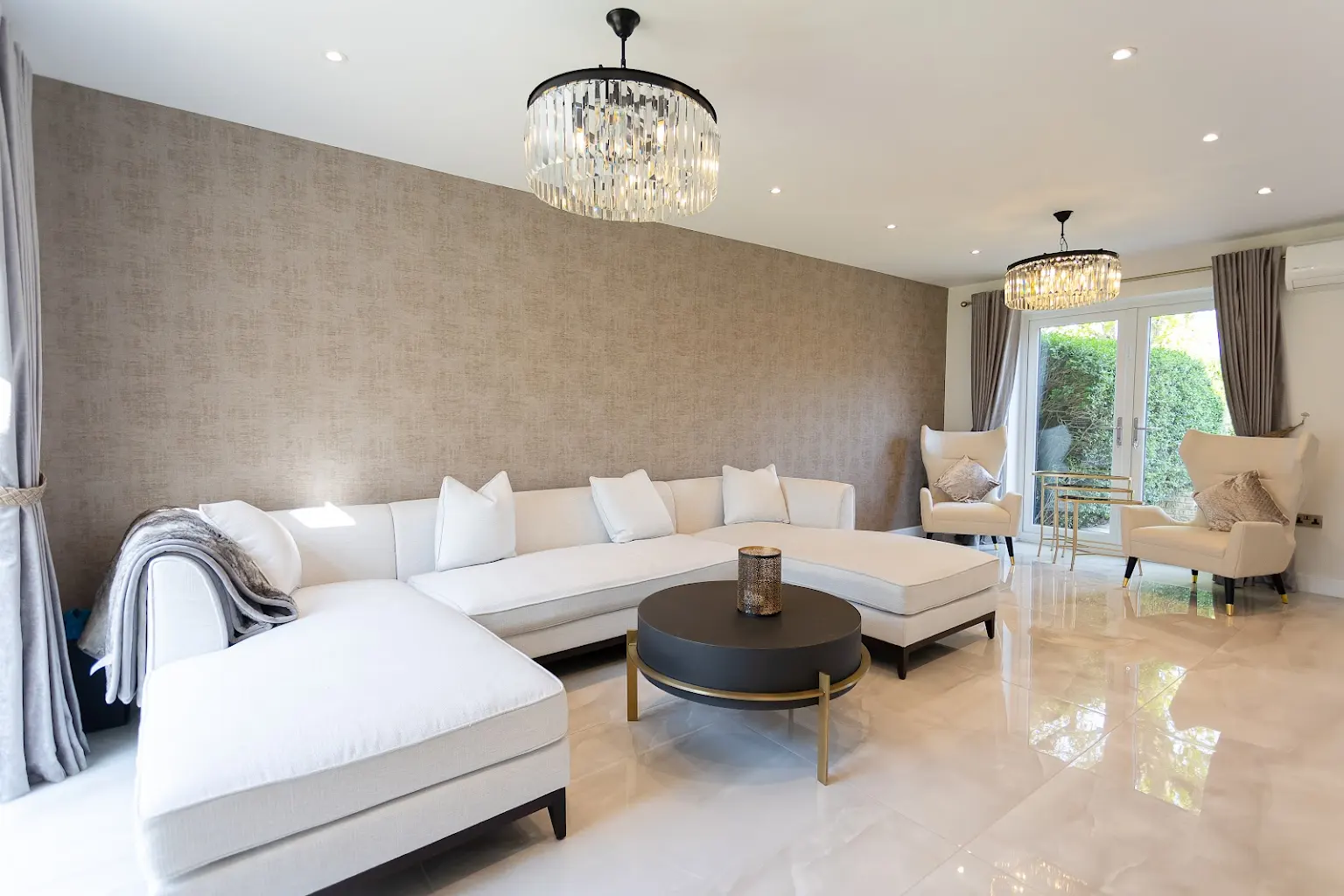
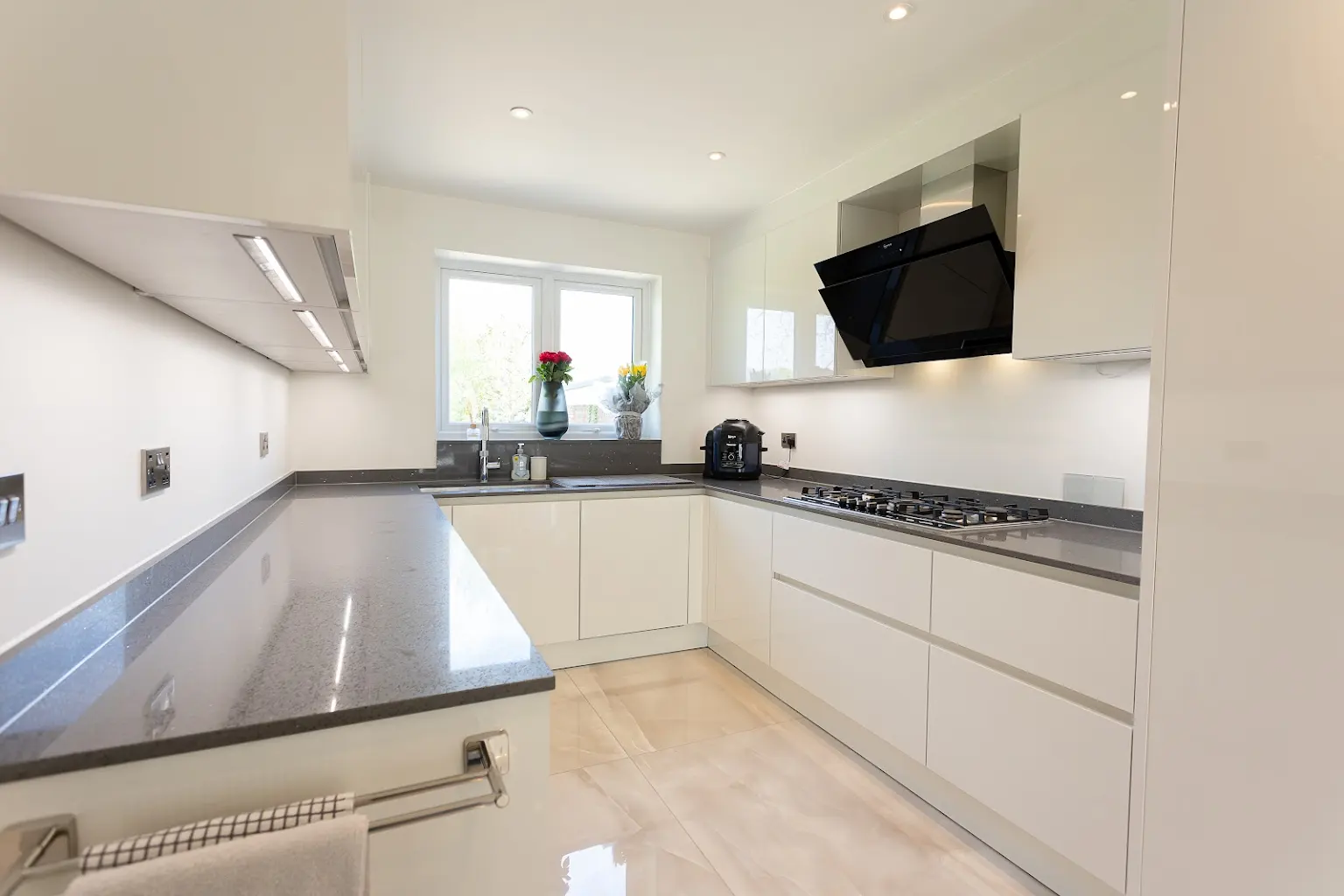
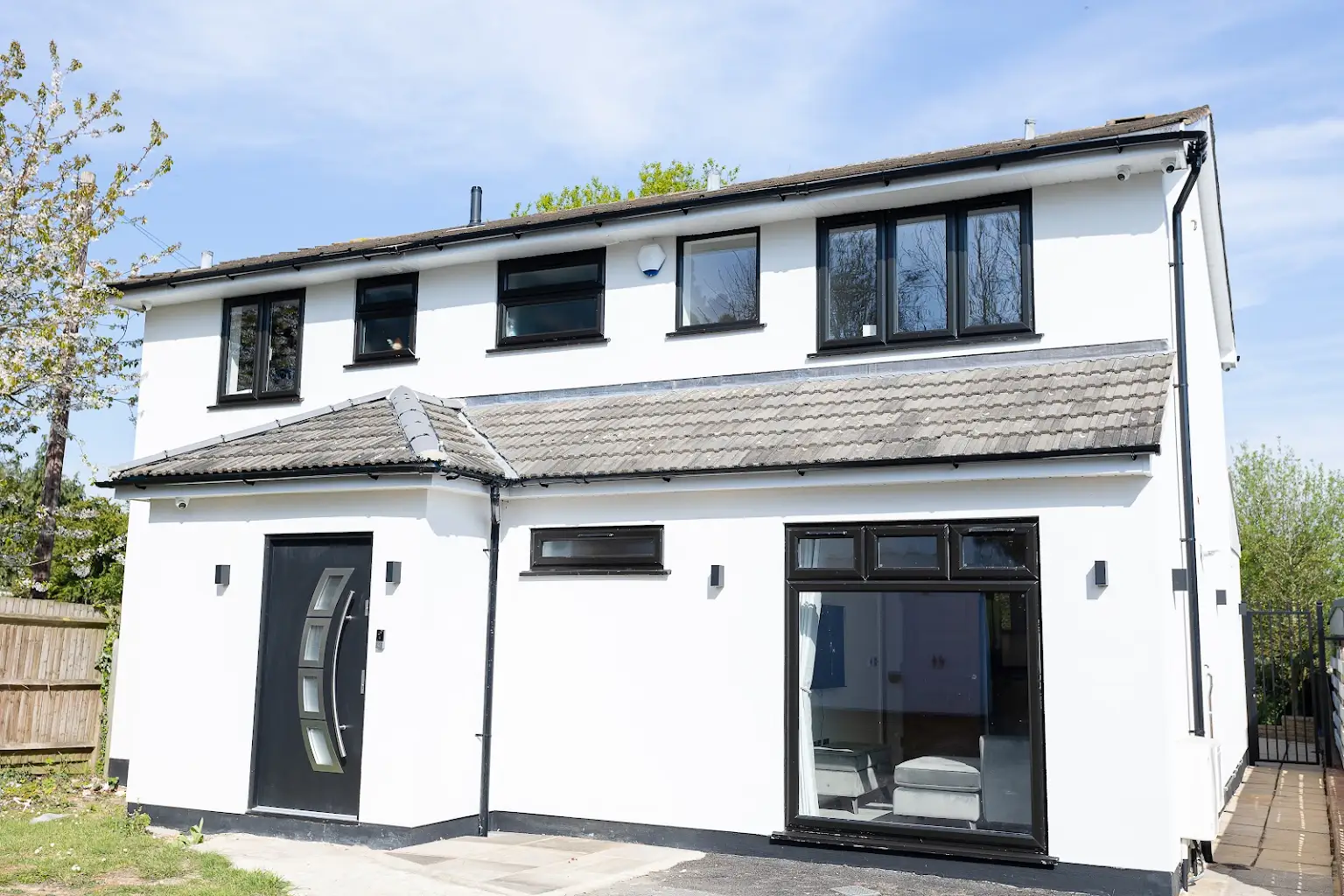
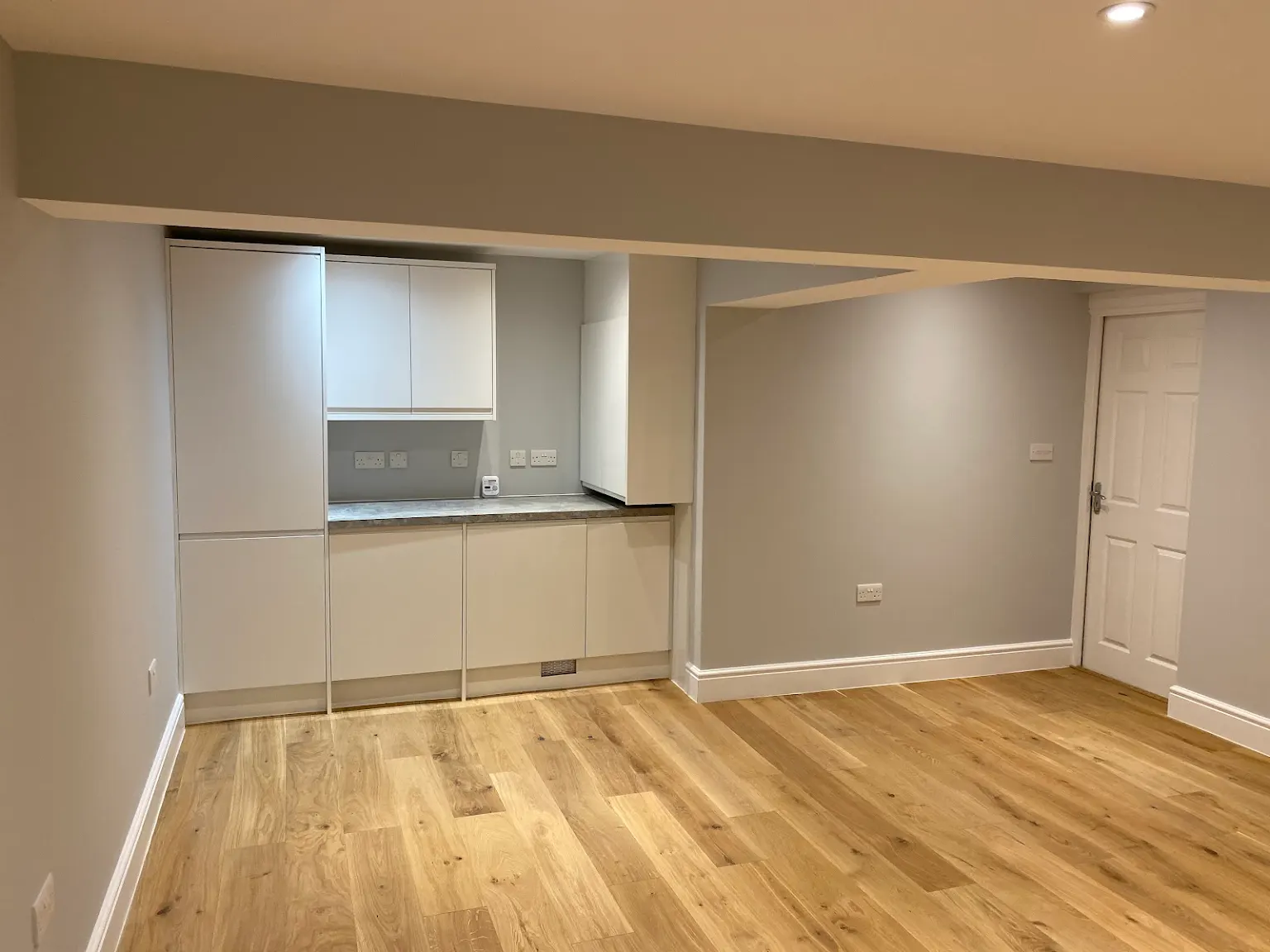
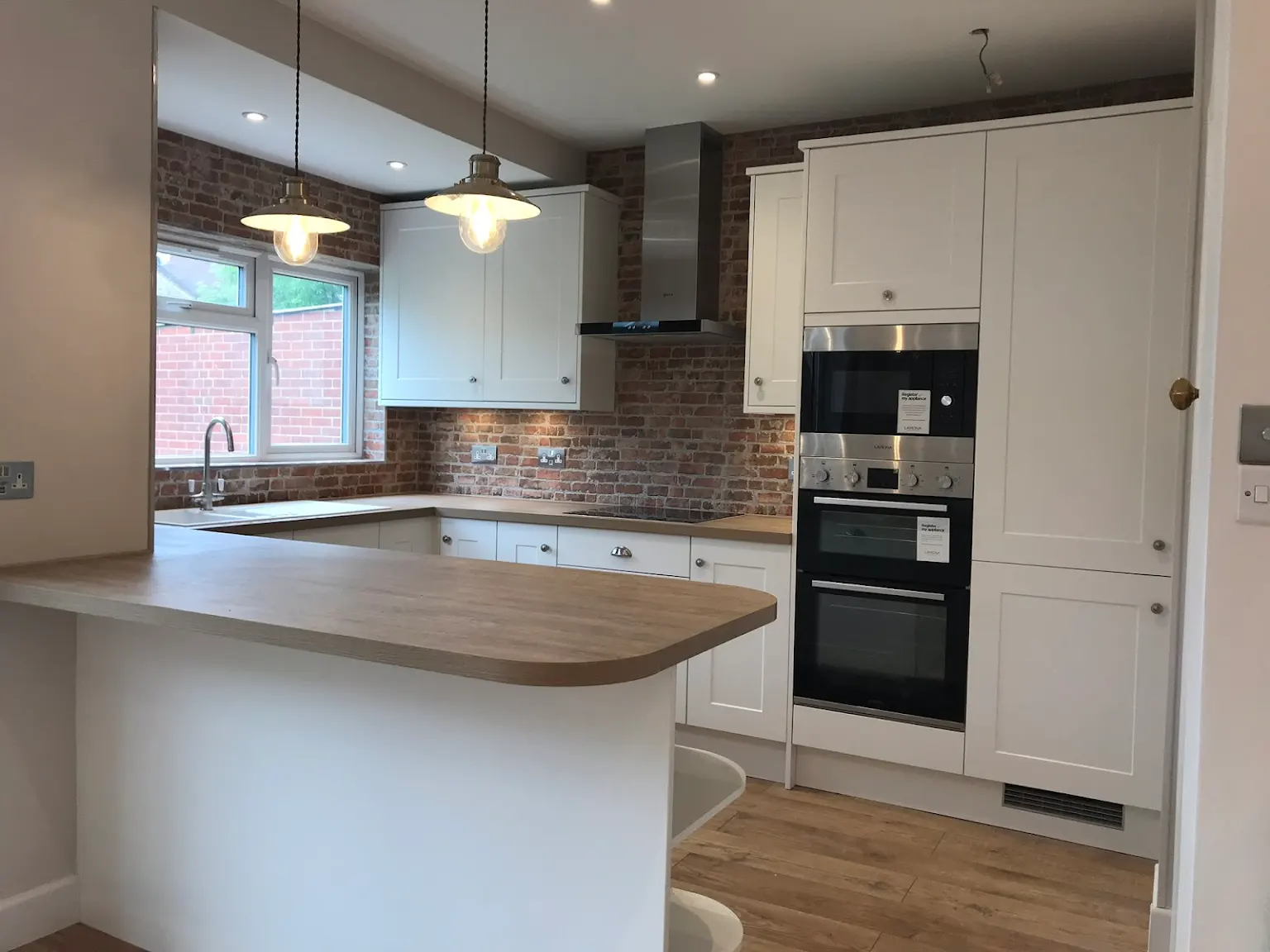
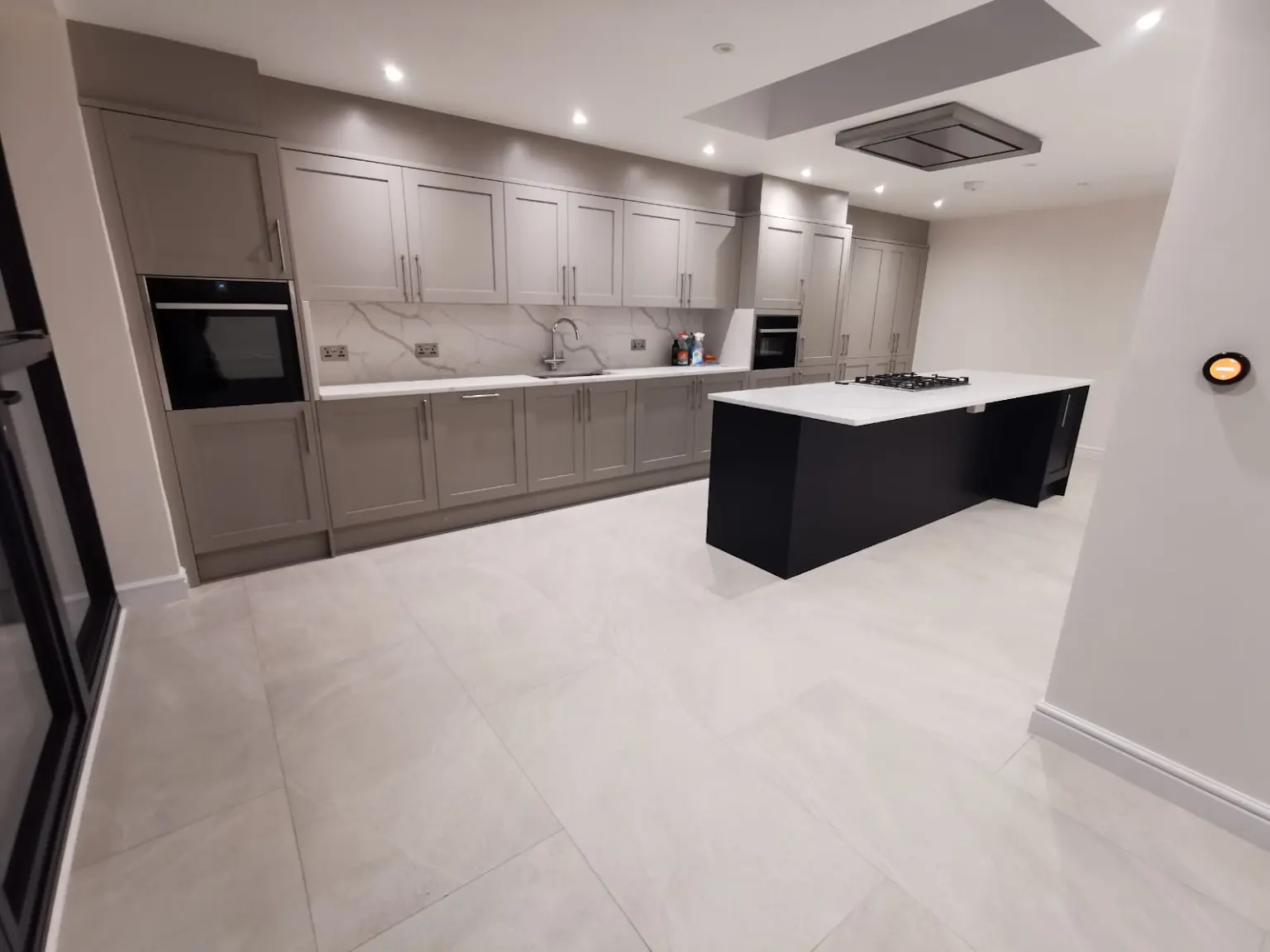
A side return extension converts the narrow strip beside many London terraces and semis into usable living space. It enlarges kitchens or living areas, increases daylight, and improves flow.
We design and build spaces that feel uniquely tailored to your property, with a focus on proportion, detailing, and long-term value. Our Architectural Design service starts every project with a clear brief and a thoughtful plan. The best part of the whole process is that one team takes care of each step, from idea to handover. This provides a uniform level of craftsmanship and finish. The result is a balanced, unified space that feels original to your property.
Book a consultation or call us on 07961 817 505 or 0208 226 5511. It’s time to discuss your goals and explore what a side return extension could achieve for your home.



Do you want to extend the ground floor, improve layout and flow, and introduce daylight through roof glazing and slim-frame doors? A side return extension is perfect for period homes that prioritise character. It harmonises the brickwork, roofline, and interior details into a unified design.
Architects and builders work under one roof with a dedicated project manager to ensure a smooth process. It’s essential to set expectations early. That’s why our team handles planning permission, structural design, and site logistics. Our process helps keep the programme on track and ensures clear communication.
Each extension is bespoke to your home’s proportions. We choose materials for their quality and durability. Each stage is carefully reviewed to ensure the new space integrates seamlessly with the existing architecture and adds genuine value. Browse our recent projects showcasing completed side return extensions across London.
Every project follows a defined sequence that ensures precision and continuity. From the first consultation to the final handover, one team manages the entire build with accountability and care. A dedicated project manager guides design and construction. This helps the programme stay on track and keeps communication clear.
Our in-house architects create plans, obtain permissions, and resolve party wall and right-to-light issues. All technical elements are reviewed before work begins to guarantee compliance and safety. The build is scheduled efficiently to reduce disruption, with clear updates at each stage. We inspect every surface and fitting before completing the work. Then, we do a formal handover and provide a 10-year structural warranty.
Click below to learn more about the process of partnering with us.
A side return extension converts the narrow passageway alongside many Victorian and Edwardian properties into usable internal floor space.
This type of extension typically:
It is commonly used on London terraces and semi-detached homes where side access allows expansion. If you are interested in extensions, contact us to discuss your property and requirements.
In London, many single storey side return extensions fall within the £55,000-£85,000 range, depending on size, structural complexity, and specification. Smaller, simpler projects may cost less, while high-specification builds can exceed this range.
Key cost factors include:
Our Architectural Services team prepares detailed plans to support accurate budgeting and clear cost expectations.
For many London properties, a side return extension improves functionality and overall market appeal. Enlarging the ground floor can improve flow and create a more practical living space.
Value increases vary by location and finish, but well-executed extensions that integrate seamlessly with the existing property are generally viewed positively by buyers. You can review completed examples in SM London Construction’s Projects portfolio.
Side return extensions require structural alterations and careful coordination within restricted urban sites.
Costs often reflect:
A clearly managed build process, outlined in Our Process, helps control risk and maintain programme certainty.
Some side return extensions fall within permitted development rights, depending on size, height, and overall site coverage. However, properties in conservation areas often have additional restrictions, and flats or maisonettes typically require full planning permission, as permitted development rights generally apply only to dwellinghouses.
Professional advice ensures compliance with both planning and building regulations. SM London Construction’s Architectural Services team manages planning submissions and technical approvals from the outset.
Under permitted development rules, a single storey extension must usually:
It must also comply with overall site coverage limits. SM London Construction’s Architectural Services team can assess your property and confirm applicable constraints.
Under permitted development rules, the 50% rule states that extensions and outbuildings must not cover more than half the land surrounding the original house (excluding the footprint of the original dwelling). This calculation includes previous additions.
The rule exists to prevent overdevelopment and protect neighbouring amenity. As part of Our Process, site measurements and compliance checks are completed before construction begins.
A typical single storey side return extension takes approximately 10-16 weeks on site, although complex structural work, restricted access, or planning requirements may extend this timeframe.
The full timeline generally includes:
Our Process ensures clear scheduling and regular communication throughout.
Many homeowners remain in the property during construction. However, there will be periods of disruption, particularly when structural openings are created.
Temporary kitchen arrangements are often required. Careful site management and phased scheduling help maintain safety and reduce inconvenience. SM London Construction’s coordinated build approach is outlined in Our Process page.
Costs depend on structural complexity and intended use. Side extensions typically involve groundworks and steel supports, while loft conversions require roof alterations and reinforcement.
Costs can be comparable in some cases, but the final investment depends on structure, access, specification, and planning constraints. The most suitable solution depends on layout priorities and planning considerations. You can contact us to discuss your property and requirements.