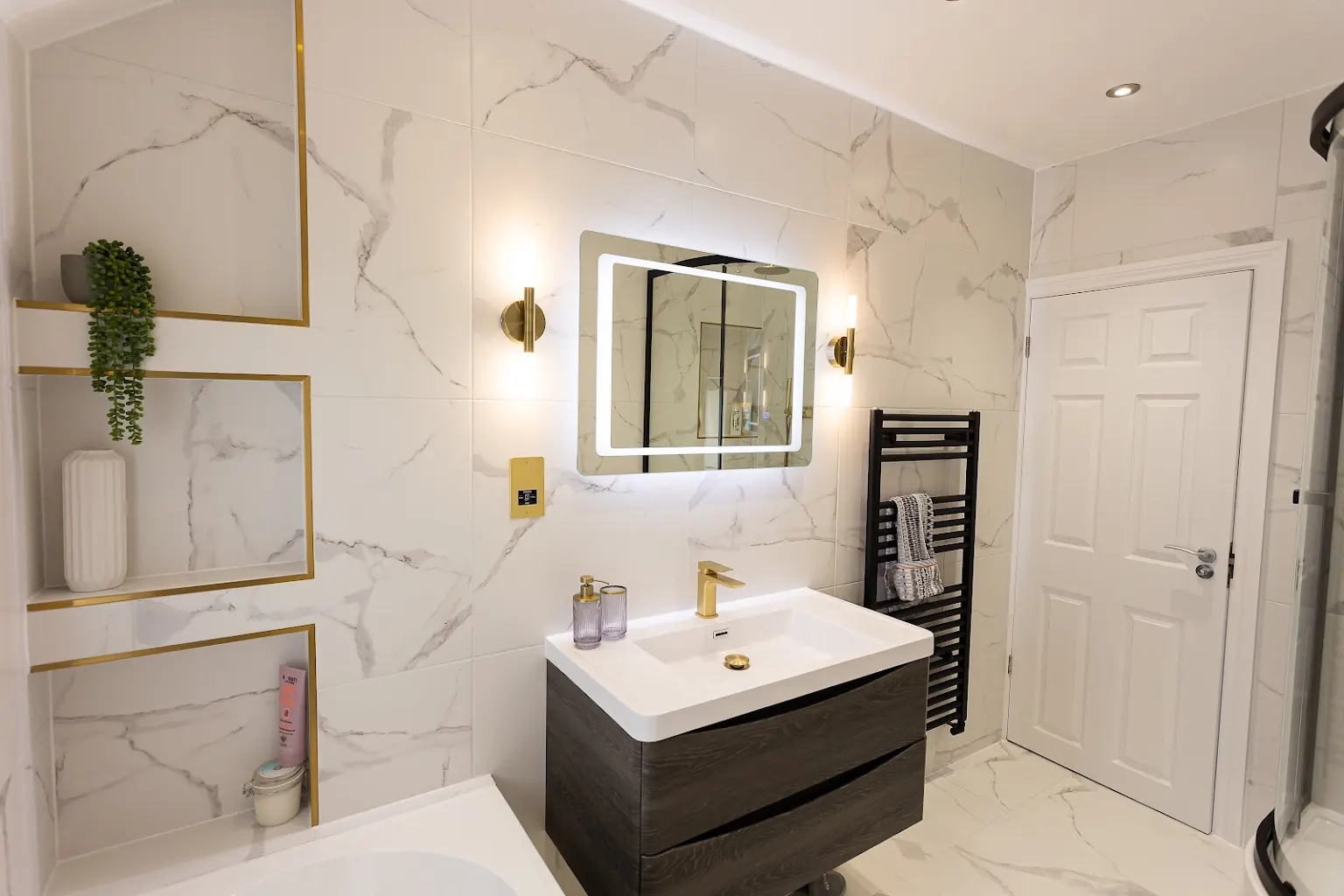
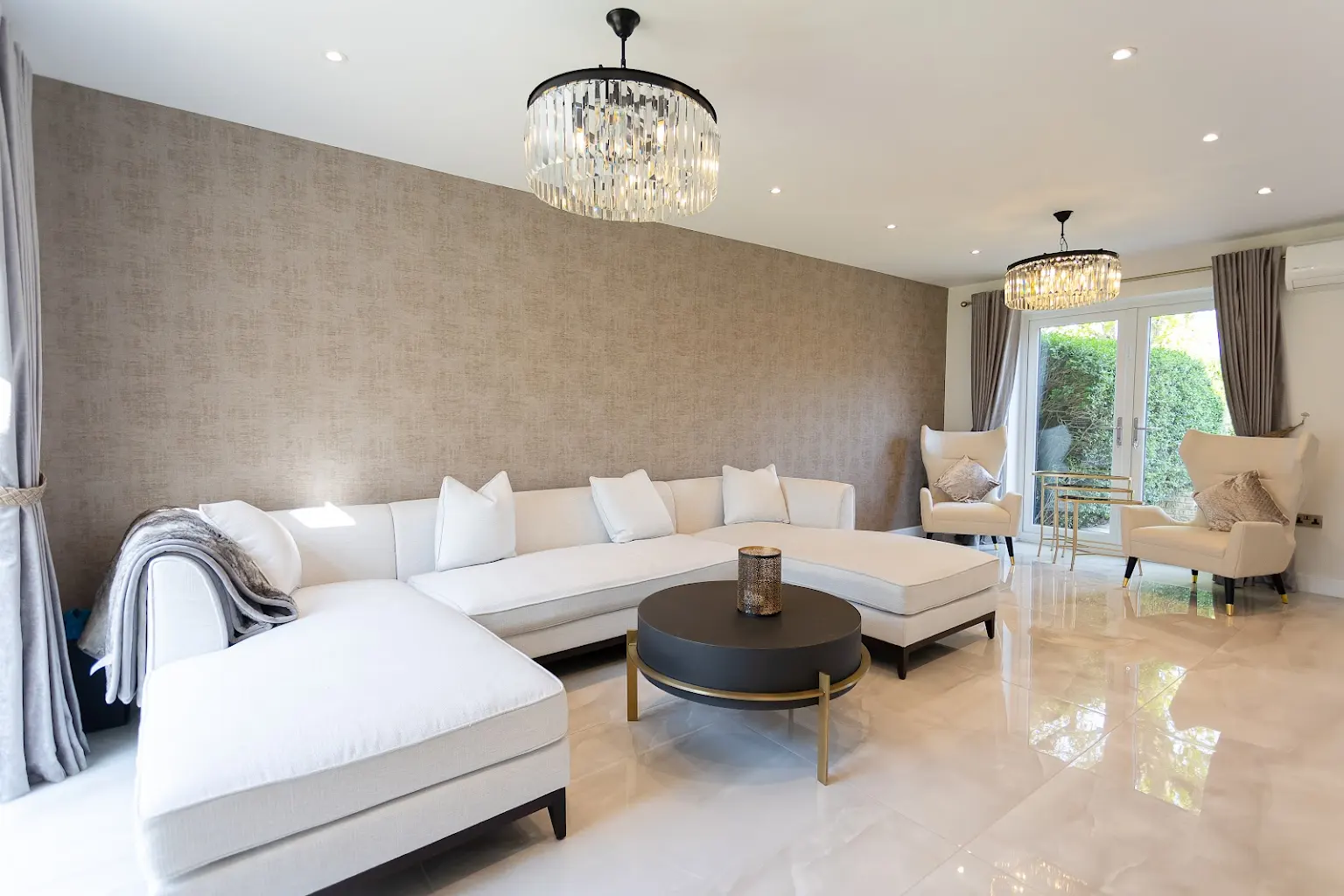
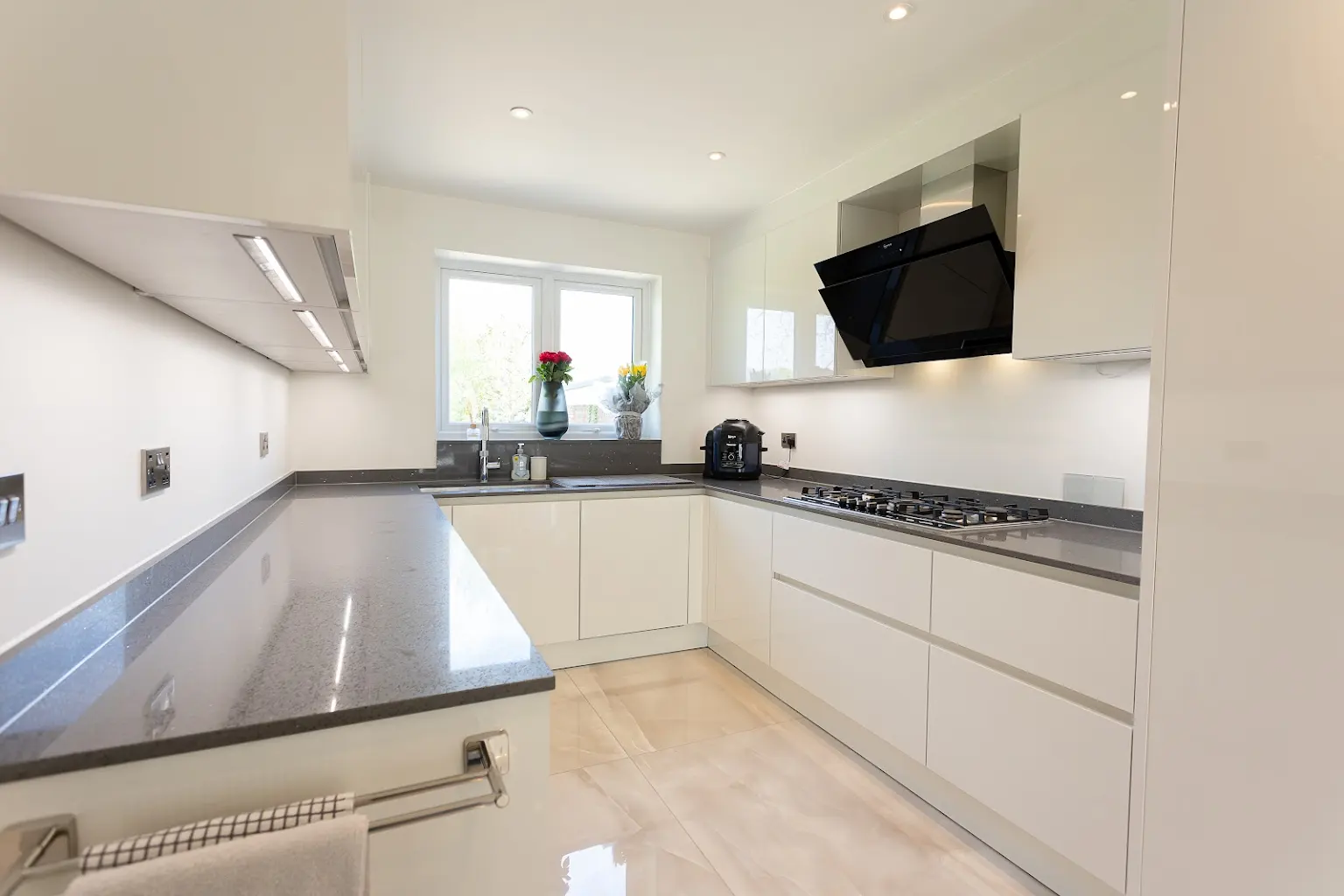
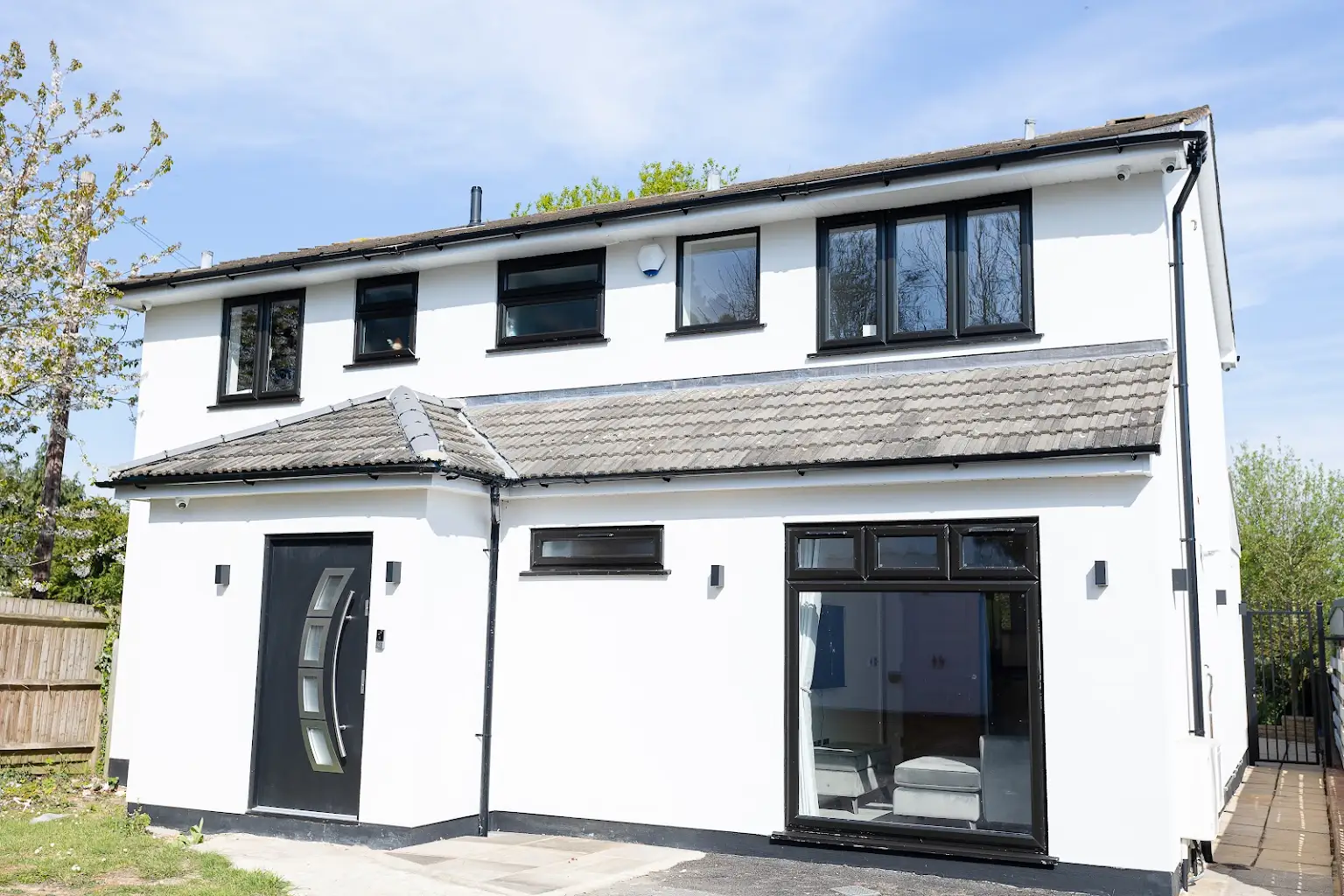
A dormer loft conversion is one of the most straightforward ways to add real living space to a London home, without the disruption of a full extension. It turns unused roof space into a bright, full-height room that's ready to work as a bedroom, home office, or bathroom. Many homeowners have loft space they have never properly used, because converting it always seemed complicated or expensive. It rarely needs to be either.
We handle every dormer loft conversion from initial design through to completion, so one team is responsible for the result throughout. Costs vary by size and specification, and we are direct about the figures at your free, no-obligation design consultation. Our Checkatrade record, based on over 100 reviews and with 10/10 rating for quality, reliability, and communication, reflects the standard we hold ourselves to on every project.
If you’d like to take the first step, book a consultation online or call us on 07961 817 505 or 0208 226 5511.



Every home has a different roof, so a dormer loft conversion needs a design that suits the actual structure rather than a generic template.
Three styles cover most London properties:
Getting the roof type right early also shapes what design flexibility you have and The Planning Studio can advise on feasibility before you commit to a style. We take you through which style suits your roof at the free design consultation, before any commitment is made.
A dormer loft conversion in London typically costs between £45,000 and £65,000 for a full design-and-build service. Larger dormers with two rooms, a higher specification, or added planning requirements can push costs beyond that range. We provide a free, no-obligation quote once we understand your roof and what you want from the space.
Most rear dormers fall under permitted development and do not need planning permission, provided they stay within the existing roof height, are not visible from the road, and use matching materials. Properties in conservation areas usually need full planning permission regardless of size. Most London terraces and semis also need a Party Wall Agreement before structural work starts, since the new floor and dormer affect the wall shared with a neighbour. We check all of this at your consultation, so there are no surprises later.
Most dormer loft conversions take three to nine months from the first consultation to the final finish, with a 12-week average once construction begins. Timelines depend on the scale of the design, whether full planning permission is needed, and how quickly a Party Wall Agreement is settled with neighbours.
You do not need to manage several different tradespeople, chase updates, or work out who is responsible if something goes wrong partway through. One team stays with you from the first site visit to the final touches, with weekly progress meetings so you always know where things stand.
SM London Construction has been managing loft conversions across London and the Home Counties since 2015, and every project comes with a 10-year structural warranty and a 12-month return visit to touch up paintwork and hairline cracks. If you are ready to talk through your own dormer loft conversion, book a free in-home design consultation, or call us on 07961 817 505 or 0208 226 5511.
Otherwise, click below to discover our step-by-step process for whole-home conversions.
A dormer loft conversion in London typically costs between £45,000 and £65,000 for a full design-and-build service. The exact figure depends on the size of the dormer, the specification you choose, and whether the project requires full planning permission rather than permitted development. Larger dormers with two rooms, or a higher-end finish, can push costs beyond that range. SM London Construction provides a free, no-obligation quote after your roof is assessed in person.
Most rear dormer loft conversions in London fall under permitted development and do not need planning permission, provided the design meets a few conditions:
Properties in conservation areas usually need full planning permission regardless of size. Separately, most London terraces and semis need a Party Wall Agreement, since structural work on a shared wall requires two months' notice to neighbours under the Party Wall Act 1996. The Planning Studio checks both requirements before any design work begins.
Most dormer loft conversions take three to nine months from the first consultation to the final finish, with a twelve-week average once construction itself begins. The overall timeline depends on the scale of the design, whether full planning permission is required, and how quickly a Party Wall Agreement is settled with neighbours. SM London Construction manages every stage in-house and our process outlines what to expect at each stage.
A dormer loft conversion is generally cheaper than a full-house extension of a similar size, mainly because it does not require new foundations or a ground-floor build. It also avoids losing garden space, which a rear or side extension typically uses. That said, a large or high-specification dormer can approach extension pricing in some cases. If you are still weighing up which suits your home, a full extension is worth comparing directly against a dormer loft conversion before deciding.
Most dormer loft conversions add value to a London property, since they create a genuine extra room rather than converting existing space.
How much depends on three things:
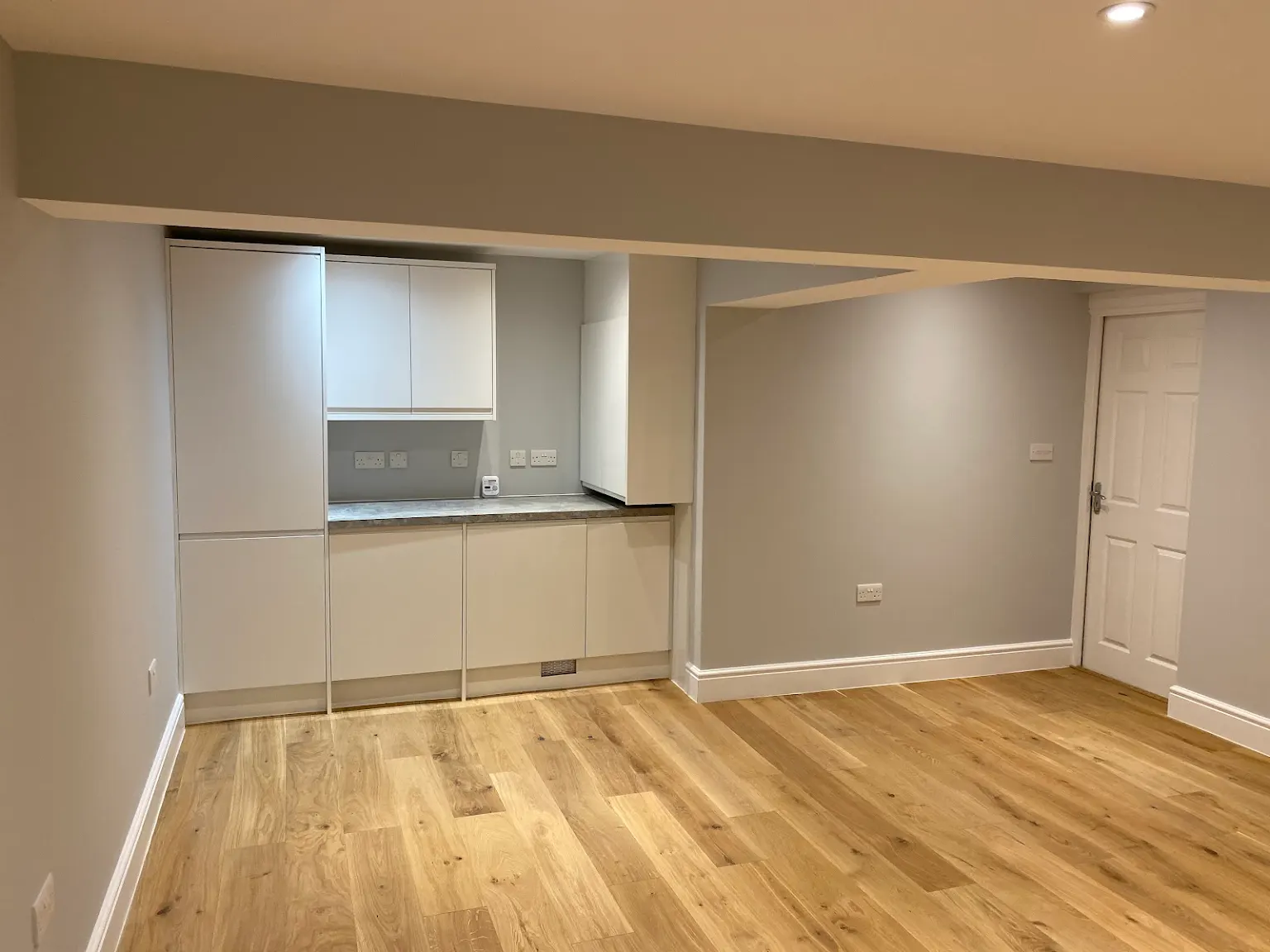
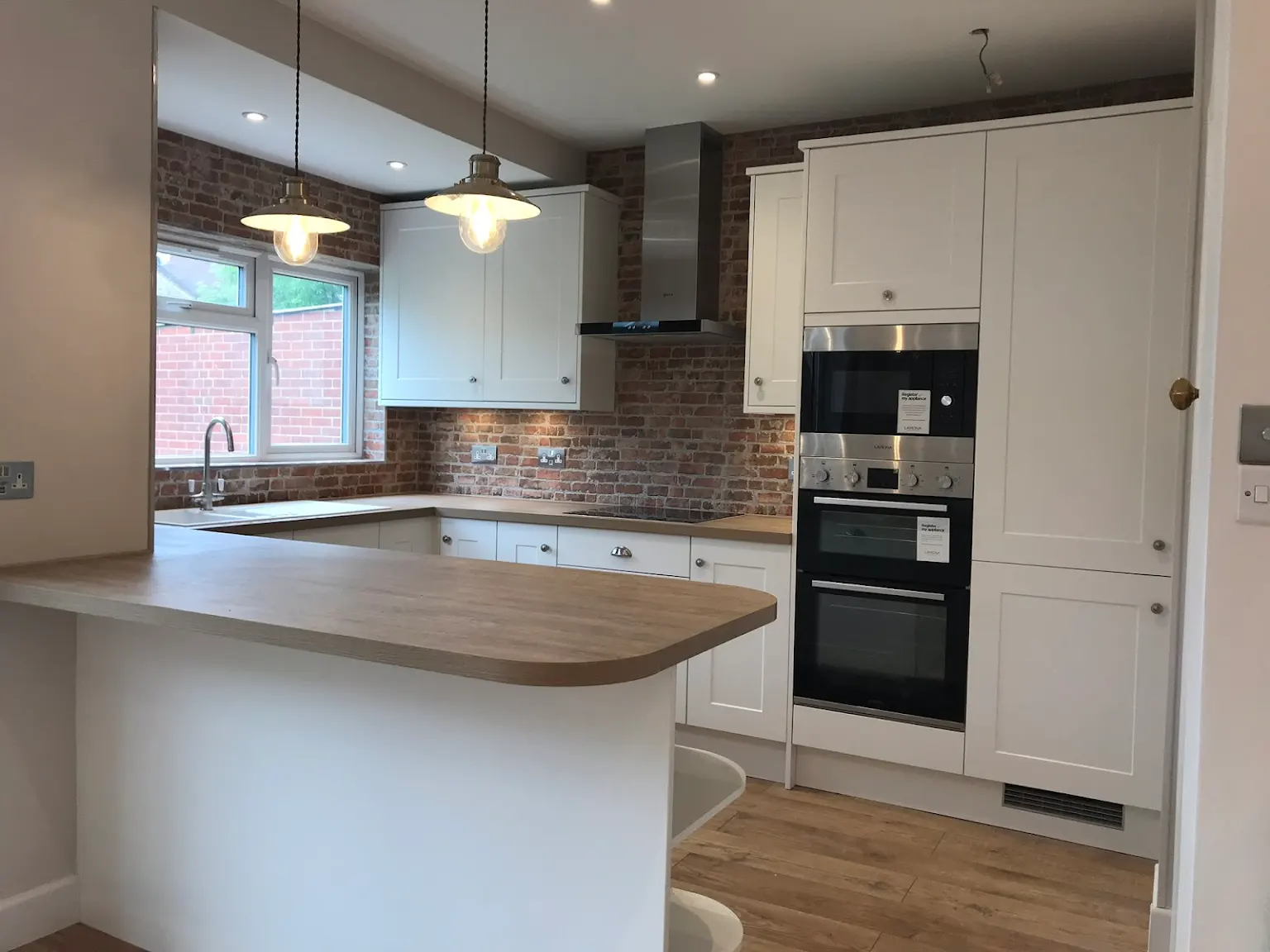
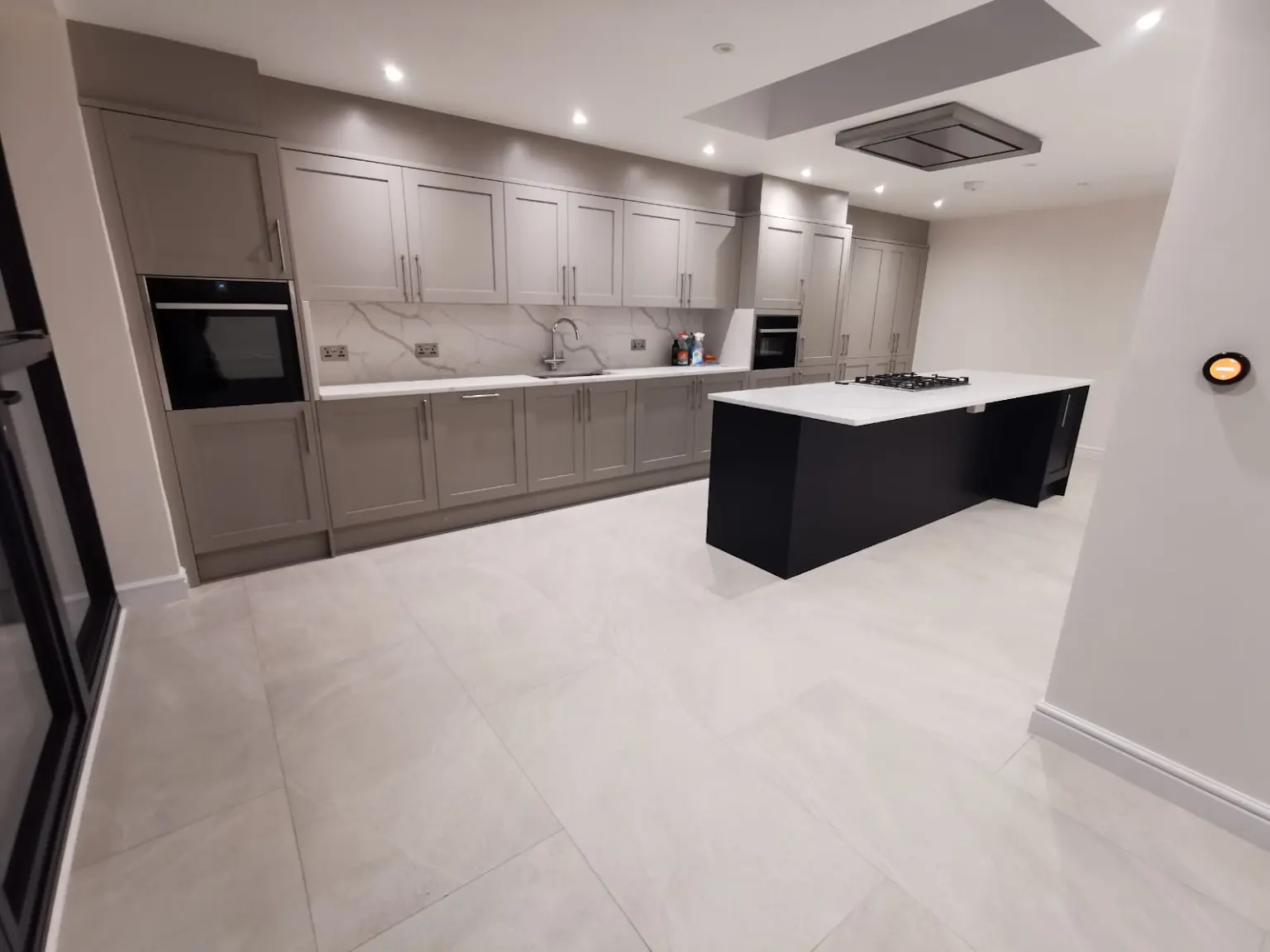
You can see the scale of finish involved in our completed projects.
The four main types of loft conversion are dormer, hip-to-gable, mansard, and Velux (rooflight). A dormer is the most common in London, adding a box-shaped extension to the rear roof slope for full headroom and floor space. A mansard reshapes most of the roof and creates the most usable space, but almost always needs planning permission, unlike many rear dormers.
The type of roof that suits a property depends mainly on the existing roof shape and available headroom, which our dormer specialists assess during the free design consultation.
Most homeowners stay in their property throughout a dormer loft conversion. The work is largely contained to the roof space and does not typically affect access to the rest of the house, though there will be periods of noise and some disruption once the roof is opened up. Some homeowners arrange alternative sleeping arrangements during the noisiest stages, particularly if bedrooms sit directly below the loft. Weekly progress meetings throughout the build keep you informed of what to expect each week.
Stairs for a dormer loft conversion are usually positioned directly above the existing staircase, which keeps structural changes to the floor below to a minimum and is the most cost-effective option. Where that is not possible, a new staircase route can be built elsewhere in the house, though this typically involves more structural work and adds to the overall cost. The right position depends on the layout of the floor below and the size of the new loft room, which the design consultation covers in detail.
An illegal loft conversion is one carried out without planning permission where it was needed, or without building regulations sign-off, which every loft conversion requires regardless of planning status. Under the Town and Country Planning Act 1990, unauthorised building work, such as an unpermitted dormer, can become immune from enforcement after four years, not ten, a rule often confused with the separate ten-year rule that applies to other planning breaches. An illegal conversion can also cause problems when selling, since a solicitor will typically flag the missing paperwork. The Planning Studio handles planning and building regulations for every project.
Most dormer loft conversions do not require an independent architect, since a full design-and-build contractor can manage the drawings, structural calculations, and planning requirements as part of a single service. This avoids the need to coordinate among separate architects, structural engineers, and builders, where delays and miscommunication most often occur. For more complex or non-standard designs, an architect can add value, but for a standard rear dormer it is rarely necessary. The Planning Studio covers this in-house as part of the full design and build service.